Chuyên sâu trong lĩnh vực vật liệu rời công nghiệp, cung cấp giải pháp môi trường thông minh tích hợp cho phối trộn tự động, cấp liệu tập trung, khử lưu huỳnh và khử nitơ khô!
For industries seeking reliable and sustainable material handling solutions, the adoption of advanced pneumatic conveying systems has become increasingly vital. Among these technologies, the use of bicarbonate of soda (baking soda) in pneumatic conveying processes stands out as a practical and eco-friendly approach. This article explores the benefits, applications, and operational advantages of bicarbonate of soda pneumatic conveying, highlighting how it addresses the evolving demands for efficiency and environmental responsibility in material transport. The solutions presented here are brought to you by Shandong HeadPowder Engineering Co., Ltd., a leading provider of specialized material handling systems based in China.
Introduction to Bicarbonate of Soda Pneumatic Conveying

Pneumatic conveying, a method of transporting bulk materials through a pressurized or vacuum system, has long been a cornerstone of industrial material handling. When applied to bicarbonate of soda, this technology offers a unique combination of efficiency and sustainability. Bicarbonate of soda, a common chemical compound with the formula NaHCO₃, is widely used in various industries, including food processing, pharmaceuticals, and chemical manufacturing. The ability to convey this material efficiently while minimizing environmental impact makes it an attractive option for companies looking to optimize their operations.
Key Features and Advantages of Bicarbonate of Soda Pneumatic Conveying
The primary advantage of bicarbonate of soda pneumatic conveying lies in its efficiency. Unlike traditional methods such as belt conveyors or bucket elevators, pneumatic systems can transport materials over longer distances with minimal energy consumption. This is particularly beneficial for companies dealing with fine powders or granules, as the system reduces the risk of material degradation and loss during transport. Additionally, the process is highly versatile, capable of handling a wide range of particle sizes and moisture contents, making it suitable for diverse applications.
From an environmental perspective, bicarbonate of soda pneumatic conveying is a clean and low-impact solution. Unlike mechanical systems that may generate dust or require frequent maintenance, pneumatic conveying minimizes material exposure to the environment. The absence of moving parts in the conveying line reduces the likelihood of leaks or spills, contributing to a safer and more sustainable operation. Furthermore, the system can be integrated with dust collection and filtration equipment, ensuring that any airborne particles are captured and disposed of responsibly, aligning with modern environmental regulations.

Applications in Industrial Settings
Bicarbonate of soda pneumatic conveying finds applications across multiple sectors, including food and beverage, pharmaceuticals, and chemical processing. In the food industry, for instance, the system is used to transport baking soda for baking products, ensuring that the material remains fresh and free from contamination. The pharmaceutical sector benefits from the sterile and controlled environment of pneumatic conveying, which is essential for maintaining the quality and purity of medicinal ingredients. In chemical manufacturing, the technology is employed to handle bicarbonate of soda in the production of various chemical compounds, where precision and consistency are critical.
Operational Considerations and Maintenance
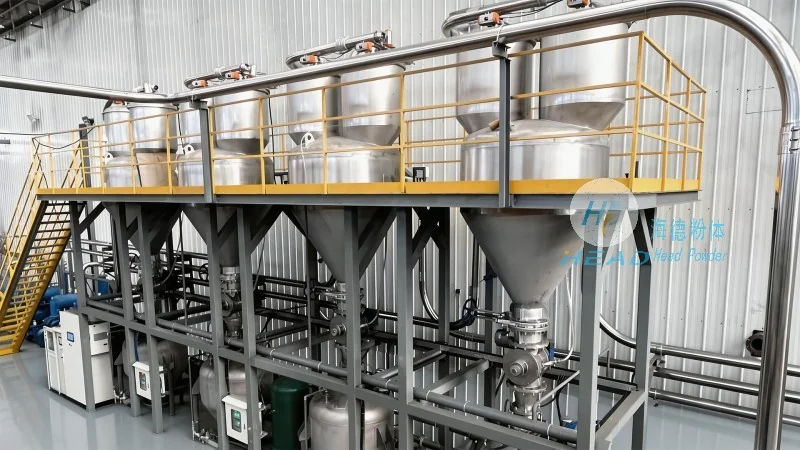
While the benefits of bicarbonate of soda pneumatic conveying are significant, proper operational management is essential for optimal performance. The system requires regular maintenance to ensure consistent performance and prevent downtime. This includes monitoring air pressure, checking for blockages in the conveying line, and maintaining the condition of filters and seals. The use of high-quality materials in the construction of the conveying equipment, such as stainless steel or corrosion-resistant alloys, helps to extend the lifespan of the system and reduce the need for frequent repairs.
Additionally, the selection of the appropriate conveying system depends on the specific characteristics of the material being transported. Factors such as particle size, moisture content, and flowability must be considered to determine the most effective conveying method. For example, a positive pressure system may be preferred for transporting fine powders, while a vacuum system is suitable for handling bulkier materials. The flexibility of pneumatic conveying allows for customization to meet the unique needs of each application.
Conclusion
Bicarbonate of soda pneumatic conveying represents a forward-thinking approach to material handling, combining efficiency with environmental responsibility. By leveraging advanced pneumatic technology, companies can optimize their operations while minimizing their ecological footprint. As industries continue to prioritize sustainability and operational excellence, the adoption of such systems will likely increase, making bicarbonate of soda pneumatic conveying a valuable asset for businesses seeking to stay competitive in a rapidly evolving market.

 Shandong Headpowder Engineering Co., Ltd.
 156-6277-7102(Quản lý Trương)
  0531-83386006
  Thành phố Tế Nam, Tỉnh Sơn Đông, Trung Quốc
Điện thoại
WeChatTư vấn
Lên đầu