Chuyên sâu trong lĩnh vực vật liệu rời công nghiệp, cung cấp giải pháp môi trường thông minh tích hợp cho phối trộn tự động, cấp liệu tập trung, khử lưu huỳnh và khử nitơ khô!
Designing an efficient catalyst pneumatic conveying system is crucial for industrial processes that rely on the reliable transport of catalyst materials. A well-designed system ensures optimal performance, reduces operational costs, and minimizes the risk of material degradation or equipment damage. This article provides a comprehensive guide to the key considerations and steps involved in designing a reasonable catalyst pneumatic conveying system, with insights from Shandong HeadPowder Engineering Co., Ltd., a leading provider of powder handling solutions based in Shandong, China.
Understanding the Core Components of a Catalyst Pneumatic Conveying System
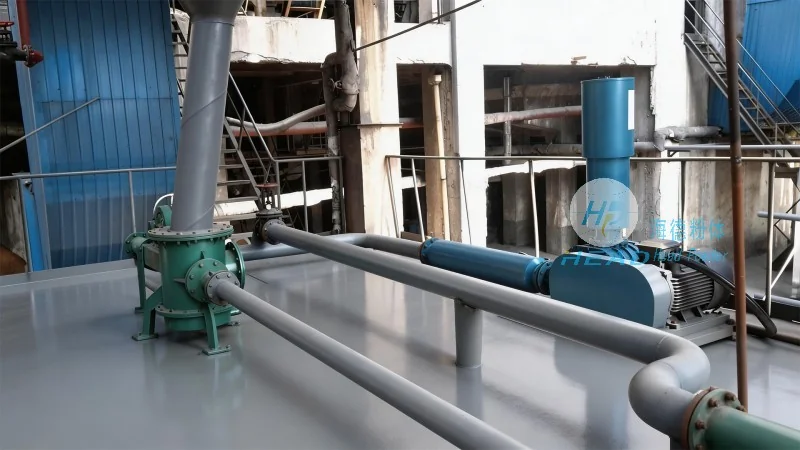
A catalyst pneumatic conveying system typically consists of several key components, each playing a vital role in the overall operation. The primary components include a material feeder, a conveying line (often with a series of bends and straight sections), a dust collector or filter system, and a pressure vessel or receiver. The material feeder is responsible for introducing the catalyst powder into the system, while the conveying line transports the material under pressure. The dust collector ensures that any particles are captured and returned to the system or disposed of properly. Shandong HeadPowder Engineering Co., Ltd. specializes in designing systems that integrate these components seamlessly, optimizing performance based on the specific characteristics of the catalyst being handled.
Key Factors to Consider in System Design
Several critical factors must be evaluated when designing a catalyst pneumatic conveying system. The first is the physical properties of the catalyst itself, such as particle size, density, and abrasiveness. These properties directly impact the choice of system type (e.g., positive pressure, negative pressure, or a hybrid system) and the required air velocity and pressure. For example, fine, low-density catalysts may require a higher air velocity to prevent clogging, while coarse, abrasive materials may need a more robust system with reinforced components to withstand wear and tear. The second factor is the distance and elevation change between the source and destination of the catalyst. Longer distances or significant vertical lifts increase the pressure requirements and may necessitate additional boosters or larger diameter lines. Shandong HeadPowder Engineering Co., Ltd. conducts thorough material analysis and process simulations to determine the optimal system configuration for each client, ensuring that the design meets both operational and cost objectives.
System Type Selection: Positive Pressure vs. Negative Pressure

The choice between positive pressure and negative pressure systems is a fundamental decision in catalyst pneumatic conveying design. Positive pressure systems use a blower or compressor to generate pressure and force the material through the conveying line, while negative pressure systems use a vacuum to draw material from the source into the system. Positive pressure systems are generally more common for catalyst transport due to their ability to handle abrasive materials and longer distances more effectively. They also provide better control over the material flow and can be easier to clean and maintain. However, negative pressure systems are sometimes preferred for applications where dust containment is critical, as they prevent material from escaping into the environment. Shandong HeadPowder Engineering Co., Ltd. evaluates the specific needs of each project, considering factors such as material properties, distance, and environmental regulations, to recommend the most suitable system type.
Equipment Selection and Sizing
Proper equipment selection is essential for the long-term efficiency and reliability of a catalyst pneumatic conveying system. The material feeder, for instance, must be capable of handling the catalyst's flow characteristics without causing blockages or uneven feeding. Common feeder types include rotary valves, screw feeders, and vibrating feeders, each with its own advantages and limitations. The conveying line diameter and length are determined based on the air velocity required to maintain a stable flow and prevent particle separation. Shandong HeadPowder Engineering Co., Ltd. uses advanced computational fluid dynamics (CFD) and empirical formulas to calculate the optimal line size and air velocity, ensuring that the system operates within the recommended range for the catalyst being transported. The dust collector or filter system is another critical component, as it must be able to capture fine particles without causing pressure drops that could affect system performance. The company's engineers design custom filter systems that match the specific dust load and particle size distribution of the catalyst, ensuring high efficiency and low maintenance costs.
Integration of Safety and Maintenance Considerations
Ensuring the safety and longevity of a catalyst pneumatic conveying system is paramount. Design considerations must include measures to prevent dust explosions, such as proper grounding, explosion relief valves, and flame arrestors. The system should also be equipped with pressure relief valves and flow monitors to detect and address any abnormalities in real-time. Regular maintenance is crucial to maintaining system efficiency and preventing downtime. Shandong HeadPowder Engineering Co., Ltd. provides comprehensive maintenance plans and training for clients, ensuring that the system operates at peak performance and that any issues are addressed promptly. The company's expertise in catalyst handling and pneumatic conveying systems allows them to design systems that are not only efficient but also safe and reliable for long-term operation.
Case Studies and Real-World Applications
Shandong HeadPowder Engineering Co., Ltd. has extensive experience in designing and implementing catalyst pneumatic conveying systems for various industries, including chemical manufacturing, petrochemical, and pharmaceuticals. For example, the company designed a positive pressure system for a chemical plant that transports fine catalyst powders over a distance of 200 meters, with a vertical lift of 30 meters. The system was optimized to handle abrasive catalysts and required a high air velocity to prevent clogging. The result was a system that achieved 95% material recovery and reduced operational costs by 15% compared to traditional methods. Another project involved a negative pressure system for a pharmaceutical facility, where dust containment was a primary concern. The system was designed with a high-efficiency filter and explosion-proof components, ensuring that the catalyst was transported safely and efficiently. These case studies demonstrate the company's ability to tailor solutions to specific client needs and deliver results that meet or exceed industry standards.
Conclusion: Partnering with an Expert for Catalyst Pneumatic Conveying System Design
Designing a reasonable catalyst pneumatic conveying system requires a deep understanding of both the material being handled and the operational requirements of the process. Shandong HeadPowder Engineering Co., Ltd. combines technical expertise, industry experience, and customer-centric approach to deliver customized solutions that enhance efficiency, reduce costs, and ensure safety. By considering the key factors outlined in this article and working with a qualified provider like Shandong HeadPowder Engineering Co., Ltd., industrial facilities can achieve reliable and cost-effective catalyst transport, supporting their overall operational success. With offices in Shandong, China, the company serves clients globally, providing comprehensive support from system design to installation and maintenance.

 Shandong Headpowder Engineering Co., Ltd.
 156-6277-7102(Quản lý Trương)
  0531-83386006
  Thành phố Tế Nam, Tỉnh Sơn Đông, Trung Quốc
Điện thoại
WeChatTư vấn
Lên đầu