Chuyên sâu trong lĩnh vực vật liệu rời công nghiệp, cung cấp giải pháp môi trường thông minh tích hợp cho phối trộn tự động, cấp liệu tập trung, khử lưu huỳnh và khử nitơ khô!
Dry sludge pneumatic conveying systems are critical for efficient waste management in various industrial and municipal applications. These systems transport dry sludge through a network of pipes using air pressure, offering a non-contact, hygienic method of material handling. However, designing a system that meets operational requirements while ensuring cost-effectiveness and reliability requires careful consideration of several key factors. This article explores the essential elements and considerations for developing a well-designed dry sludge pneumatic conveying system.
Key Factors in Dry Sludge Pneumatic Conveying System Design

The design of a dry sludge pneumatic conveying system is influenced by multiple variables, each impacting the system's performance and efficiency. First, the physical properties of the dry sludge itself are paramount. Characteristics such as particle size distribution, density, moisture content, and viscosity directly affect how the material behaves during transport. For instance, fine particles may require higher air velocities to prevent settling, while high moisture content can lead to clogging or increased energy consumption. Second, the distance and volume of sludge to be transported dictate the system's pressure requirements and pipe dimensions. Longer distances or higher volumes necessitate more robust air compressors and larger diameter pipes to maintain adequate flow rates. Third, operational reliability and maintenance costs are critical considerations. A well-designed system minimizes downtime and reduces the need for frequent repairs, which is essential for continuous waste processing. Finally, environmental regulations and safety standards must be adhered to, ensuring the system complies with local and international guidelines for air emissions and material handling.
Components of a Typical Dry Sludge Pneumatic Conveying System
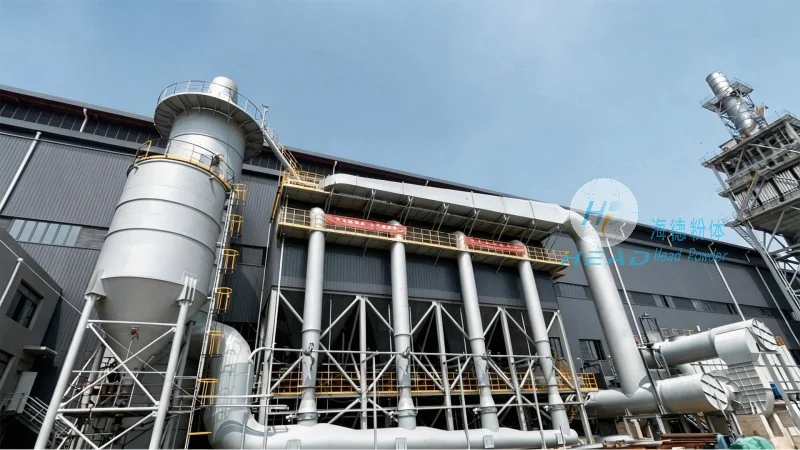
A standard dry sludge pneumatic conveying system comprises several interconnected components, each playing a vital role in the overall operation. The primary components include the feeding unit, conveying pipes, air supply system, separation equipment, and control unit. The feeding unit, often a hopper or screw feeder, ensures the dry sludge is introduced into the system at a consistent rate, preventing blockages and maintaining uniform flow. The conveying pipes, typically made of stainless steel or other corrosion-resistant materials, are designed to withstand the pressure and abrasive nature of the sludge. The air supply system, which may consist of a blower or compressor, generates the necessary air pressure to move the sludge through the pipes. The separation equipment, such as a cyclone or bag filter, separates the dry sludge from the air at the end of the conveying line, allowing the air to be recirculated or vented safely. The control unit monitors and regulates the system's operation, ensuring optimal performance and alerting operators to any issues that may arise.
Design Considerations for Optimal Performance
To achieve optimal performance, several design considerations must be addressed. First, the selection of the appropriate air velocity is crucial. Too low a velocity may cause the sludge to settle in the pipes, while too high a velocity increases energy consumption and wear on components. Engineers typically use empirical formulas or computational fluid dynamics (CFD) simulations to determine the optimal air velocity based on the sludge's properties and the system's layout. Second, the layout of the conveying pipes is critical for minimizing pressure losses. Proper pipe sizing, slope, and the use of smooth bends and elbows reduce energy consumption and prevent clogging. For example, a slight upward slope in the pipe can help maintain the sludge in suspension, reducing the risk of blockages. Third, the system's material compatibility is essential, especially when dealing with corrosive or abrasive sludges. Stainless steel or specialized coatings are often used for the pipes and components to ensure longevity and prevent degradation. Fourth, the integration of safety features, such as pressure relief valves and emergency shut-off mechanisms, is vital to protect both the system and personnel from potential hazards.
The Role of HeadPowder in Dry Sludge Pneumatic Conveying Solutions
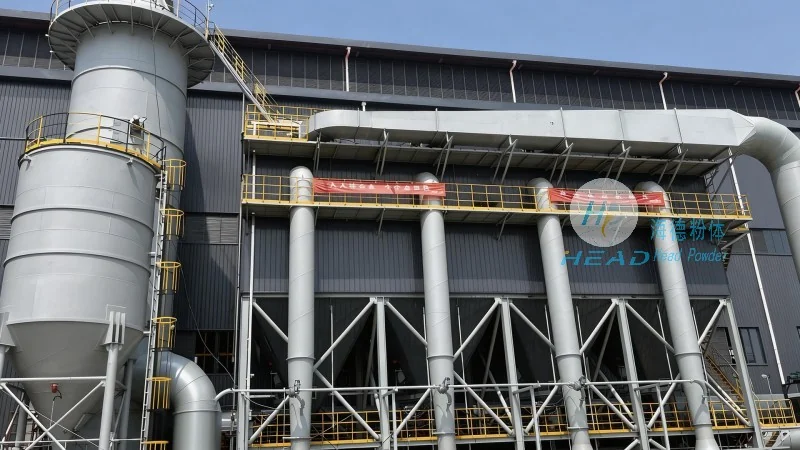
Shandong HeadPowder Engineering Co., Ltd., commonly known as HeadPowder, is a leading provider of dry sludge pneumatic conveying systems. With a strong presence in China, specifically in Shandong, HeadPowder combines advanced engineering expertise with practical application knowledge to deliver tailored solutions for various sludge management challenges. The company's approach to system design emphasizes efficiency, reliability, and cost-effectiveness, ensuring that clients receive systems that meet their specific operational needs. HeadPowder's team of engineers works closely with clients to assess their sludge characteristics, transportation requirements, and budget constraints, then develops a customized system design. By leveraging cutting-edge technology and adhering to industry best practices, HeadPowder ensures that its systems operate at peak performance, minimizing downtime and maximizing the lifespan of the equipment. The company's commitment to quality and customer satisfaction has made it a trusted partner for many organizations seeking reliable dry sludge handling solutions.

 Shandong Headpowder Engineering Co., Ltd.
 156-6277-7102(Quản lý Trương)
  0531-83386006
  Thành phố Tế Nam, Tỉnh Sơn Đông, Trung Quốc
Điện thoại
WeChatTư vấn
Lên đầu