Chuyên sâu trong lĩnh vực vật liệu rời công nghiệp, cung cấp giải pháp môi trường thông minh tích hợp cho phối trộn tự động, cấp liệu tập trung, khử lưu huỳnh và khử nitơ khô!
When designing a pneumatic conveying system for aluminum foil, it is crucial to consider several key factors to ensure efficiency, reliability, and cost-effectiveness. The process involves a systematic approach that addresses material properties, system configuration, and operational requirements. This article provides a comprehensive guide to designing a reasonable aluminum foil pneumatic conveying system, tailored to meet the specific needs of industrial applications.

Key Considerations in System Design
Aluminum foil, with its lightweight and low density, presents unique challenges in pneumatic conveying. The material's susceptibility to static electricity and its tendency to form dust clouds require specialized handling techniques. Engineers must evaluate the material's flow characteristics, particle size distribution, and moisture content to select the appropriate conveying method—such as dilute phase or dense phase systems. Additionally, the system must be designed to minimize material degradation and ensure consistent flow rates, which are critical for maintaining product quality and reducing downtime.
System Components and Equipment Selection

The core components of an aluminum foil pneumatic conveying system include the hopper, feeder, conveying line, and receiver. For aluminum foil, a rotary valve or vibratory feeder is often preferred to prevent material bridging and ensure smooth material discharge. The conveying line, typically made of stainless steel or other corrosion-resistant materials, must be designed to handle the material's low density and potential static buildup. The choice of blower or compressor depends on the system's pressure and flow requirements, with considerations for energy efficiency and noise levels. The receiver, or collection hopper, should be equipped with a dust collection system to prevent environmental contamination and maintain material purity.
Designing for Material Handling Efficiency
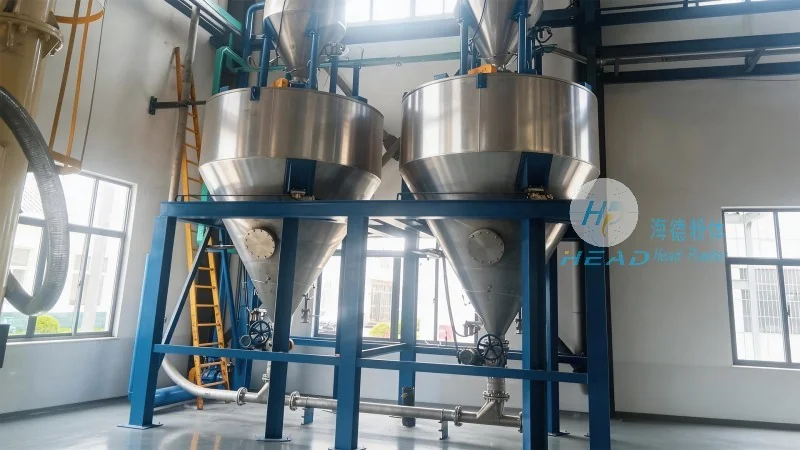
Efficient material handling in aluminum foil pneumatic conveying systems relies on proper system sizing and configuration. The system's capacity must be matched to the production rate, ensuring that the conveying velocity is sufficient to prevent material deposition or blockages. Engineers often use computational fluid dynamics (CFD) simulations to model the flow behavior and optimize the system design. This approach helps identify potential bottlenecks and adjust the conveying line's diameter or the blower's pressure to achieve optimal performance. Additionally, incorporating features like pulse jets or air curtains can improve material flow and reduce the risk of clogging.
Ensuring System Reliability and Maintenance
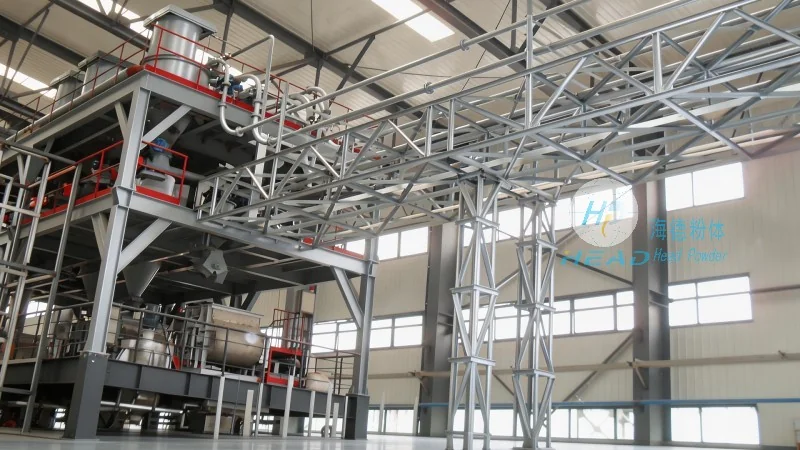
Reliability is a top priority in industrial pneumatic conveying systems, especially for materials like aluminum foil that are sensitive to handling. Regular maintenance is essential to prevent equipment failure and maintain system performance. This includes cleaning the conveying line to remove accumulated material, inspecting the blower and compressor for wear, and checking the feeder for proper operation. Implementing a preventive maintenance schedule, based on manufacturer recommendations and operational data, can extend the system's lifespan and reduce downtime. Furthermore, using high-quality components, such as corrosion-resistant materials and robust seals, enhances the system's durability and reduces the need for frequent repairs.
Case Study: Successful Aluminum Foil Conveying Implementation by HeadPowder
Shandong HeadPowder Engineering Co., Ltd., a leading provider of pneumatic conveying solutions, has successfully implemented aluminum foil conveying systems for various clients. By leveraging their expertise in material handling and system design, HeadPowder has developed customized solutions that meet the unique challenges of aluminum foil processing. For example, one client required a system to transport aluminum foil from a production line to a packaging station, with strict requirements for material purity and minimal static buildup. HeadPowder's engineers designed a dense phase system with a rotary valve feeder and a stainless steel conveying line, equipped with a dust collection system. The system was optimized for low pressure and high flow rates, ensuring smooth material transfer and maintaining product quality. The client reported significant improvements in production efficiency and reduced material waste, demonstrating the effectiveness of HeadPowder's design approach.

 Shandong Headpowder Engineering Co., Ltd.
 156-6277-7102(Quản lý Trương)
  0531-83386006
  Thành phố Tế Nam, Tỉnh Sơn Đông, Trung Quốc
Điện thoại
WeChatTư vấn
Lên đầu