Chuyên sâu trong lĩnh vực vật liệu rời công nghiệp, cung cấp giải pháp môi trường thông minh tích hợp cho phối trộn tự động, cấp liệu tập trung, khử lưu huỳnh và khử nitơ khô!
When it comes to efficiently transporting yellow sand, a well-designed pneumatic conveying system is crucial for optimizing material handling processes. The system not only enhances operational efficiency but also ensures safety and reliability in industrial applications. This article will guide you through the key considerations and steps involved in designing a reasonable yellow sand pneumatic conveying system plan, with insights from Shandong HeadPowder Engineering Co., Ltd., a leading engineering firm based in Shandong, China.
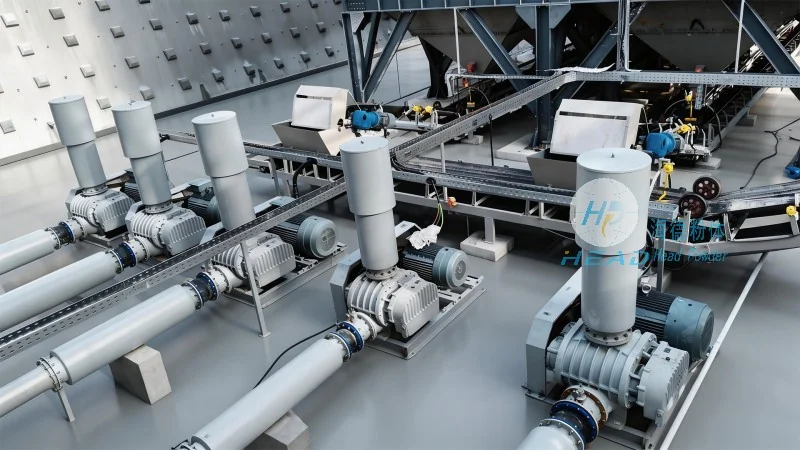
Understanding the Core Components of a Pneumatic Conveying System
A pneumatic conveying system for yellow sand typically consists of several essential components that work in tandem to achieve effective material transport. The primary elements include the material feed hopper, conveyor pipeline, air supply unit (blower or compressor), dust collection system, and material discharge equipment. Each component plays a critical role in the overall performance and efficiency of the system. The feed hopper is responsible for storing and feeding the yellow sand into the pipeline, while the conveyor pipeline transports the material using air pressure. The air supply unit generates the necessary airflow and pressure to move the material through the system. The dust collection system ensures that airborne particles are captured and filtered, maintaining air quality and preventing contamination. Finally, the material discharge equipment collects the transported yellow sand at the destination point.

Choosing the Right Pneumatic Conveying System Type
The first step in designing a yellow sand pneumatic conveying system is selecting the appropriate system type based on the specific application requirements. There are three main types of pneumatic conveying systems: positive pressure, negative pressure, and mixed pressure systems. Positive pressure systems use a blower to push air and material through the pipeline, making them suitable for long-distance and high-capacity transport. Negative pressure systems, on the other hand, use a vacuum to draw material into the pipeline, which is ideal for short-distance and low-capacity applications. Mixed pressure systems combine both positive and negative pressure principles, offering flexibility for various transport scenarios. The choice of system type depends on factors such as the distance between the source and destination, the volume of material to be transported, and the material characteristics of the yellow sand. For instance, if the yellow sand needs to be transported over a long distance with high capacity, a positive pressure system may be more suitable. Conversely, for short-distance and low-volume transport, a negative pressure system could be more cost-effective.
Designing the Pipeline Layout and Sizing
Once the system type is determined, the next critical step is designing the pipeline layout and sizing. The pipeline layout should be optimized to minimize pressure losses and ensure smooth material flow. Key considerations include the pipeline length, diameter, and the number of bends and fittings. The pipeline diameter is typically determined based on the material flow rate and the air velocity required to transport the yellow sand. Higher air velocities can reduce the risk of material blockages but increase energy consumption. Conversely, lower air velocities may require larger pipeline diameters to maintain efficient transport. The number and angle of bends in the pipeline also impact pressure losses, as sharp bends can cause significant friction and material separation. Properly sizing the pipeline and minimizing unnecessary bends are essential for maintaining system efficiency and reducing operational costs. Additionally, the pipeline should be designed to accommodate potential variations in material flow, such as changes in sand volume or particle size, to ensure consistent performance over time.
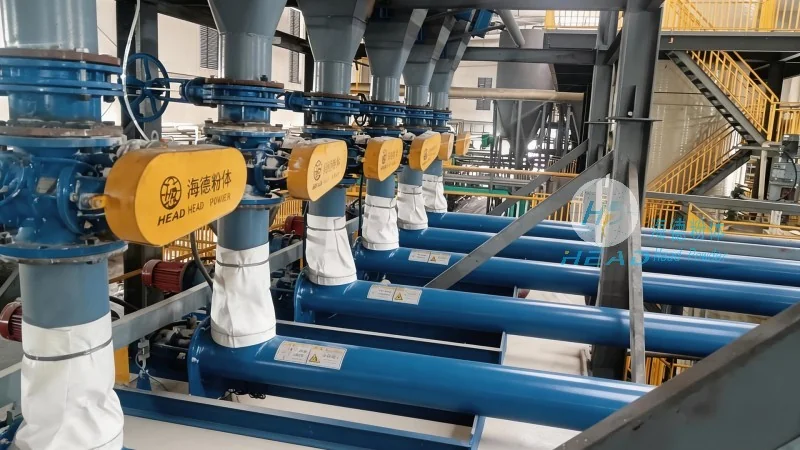
Selecting the Appropriate Air Supply Unit
The air supply unit is a critical component of the pneumatic conveying system, as it provides the necessary airflow and pressure to move the yellow sand through the pipeline. The choice of air supply unit depends on the system type and the required air volume and pressure. For positive pressure systems, a centrifugal blower or a positive displacement blower is commonly used. Centrifugal blowers are suitable for high-volume applications due to their ability to deliver large amounts of air at relatively low pressure. Positive displacement blowers, such as rotary lobe or sliding vane blowers, are ideal for applications requiring precise control over air pressure and flow. For negative pressure systems, a vacuum pump or a Roots blower is typically used. Vacuum pumps are effective for creating low-pressure environments, while Roots blowers can generate high vacuum levels for efficient material suction. The air supply unit should be selected based on the system's capacity, the material's properties, and the desired operating pressure. Proper sizing and maintenance of the air supply unit are crucial to ensure consistent performance and prevent system failures. Regular monitoring of air pressure and flow rates can help identify any issues early and maintain optimal system operation.
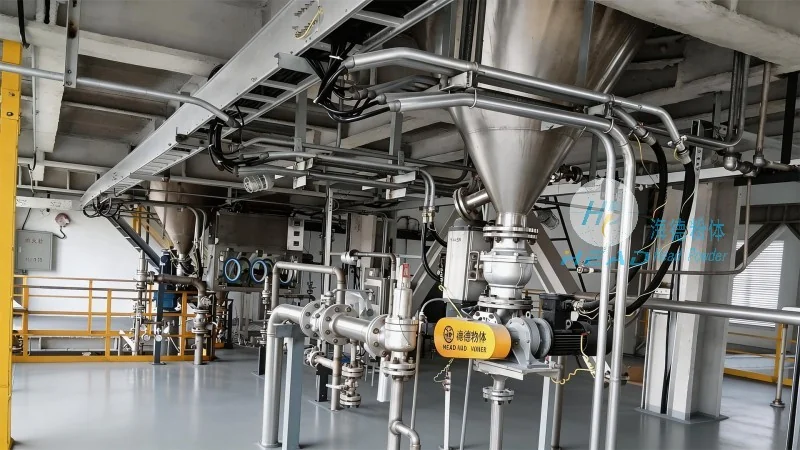
Equipment Selection for Material Handling
Several key equipment components are involved in the yellow sand pneumatic conveying system, and their selection is critical to the system's performance. The material feed hopper is responsible for storing and feeding the yellow sand into the pipeline. The hopper design should be optimized to minimize material bridging and ensure consistent feed rates. For yellow sand, a hopper with a conical or wedge-shaped bottom is often used to facilitate material flow. The hopper should also be equipped with a feeder, such as a rotary valve or a screw feeder, to control the material discharge rate. The feeder should be sized to match the system's capacity and the material's flow characteristics. The conveyor pipeline is typically made of stainless steel or other corrosion-resistant materials to handle the yellow sand and prevent material buildup. The pipeline should be properly supported and secured to minimize vibrations and ensure structural integrity. The dust collection system is essential for maintaining air quality and preventing contamination. It typically includes a cyclone separator or a baghouse filter to capture and remove airborne particles. The separator's design should be optimized to handle the yellow sand's particle size and flow rate, ensuring efficient dust removal. The material discharge equipment, such as a receiving hopper or a silo, collects the transported yellow sand at the destination point. The discharge equipment should be designed to prevent material spillage and ensure safe handling. Additionally, the system may include a control panel to monitor and regulate the operation of the air supply unit, feeder, and other components. The control panel allows for real-time monitoring of system parameters, such as pressure, flow rate, and material level, enabling operators to make adjustments as needed.
Ensuring System Efficiency and Reliability
Designing a yellow sand pneumatic conveying system requires careful consideration of various factors to ensure optimal efficiency and reliability. The system should be designed to minimize energy consumption while maintaining the required material transport capacity. This can be achieved by optimizing the pipeline layout, selecting the appropriate air supply unit, and using efficient equipment components. Regular maintenance and monitoring of the system are also essential to ensure long-term performance. The system should be equipped with sensors and alarms to detect any issues, such as pressure drops or material blockages, and alert operators. Additionally, the system should be designed with redundancy in mind, such as backup air supply units or alternative material feed paths, to prevent downtime in case of equipment failure. By following these guidelines and incorporating the expertise of engineering firms like Shandong HeadPowder Engineering Co., Ltd., based in Shandong, China, you can design a reliable and efficient yellow sand pneumatic conveying system that meets your specific operational needs.

 Shandong Headpowder Engineering Co., Ltd.
 156-6277-7102(Quản lý Trương)
  0531-83386006
  Thành phố Tế Nam, Tỉnh Sơn Đông, Trung Quốc
Điện thoại
WeChatTư vấn
Lên đầu