Chuyên sâu trong lĩnh vực vật liệu rời công nghiệp, cung cấp giải pháp môi trường thông minh tích hợp cho phối trộn tự động, cấp liệu tập trung, khử lưu huỳnh và khử nitơ khô!
When it comes to transporting sodium carbonate, selecting the right method is crucial for efficiency, cost-effectiveness, and operational safety. Sodium carbonate, also known as soda ash, is a widely used chemical in industries such as glass manufacturing, paper production, and water treatment. The choice of conveying method depends on factors like the material's properties, distance to be transported, and the required throughput. In this article, we will explore common sodium carbonate conveying methods, with a focus on the advantages and applications of pneumatic conveying systems.
Understanding Sodium Carbonate and Its Conveying Requirements

Sodium carbonate (Na₂CO₃) is a white, crystalline solid that is hygroscopic, meaning it absorbs moisture from the air. Its physical properties, including its density, particle size distribution, and flowability, significantly influence the choice of conveying technology. For example, fine powders may require specialized equipment to prevent clogging and ensure consistent flow. The distance between the source and destination, as well as the volume of material to be moved, are also critical considerations. A well-designed conveying system must balance these factors to achieve optimal performance.
Common Conveying Methods for Sodium Carbonate
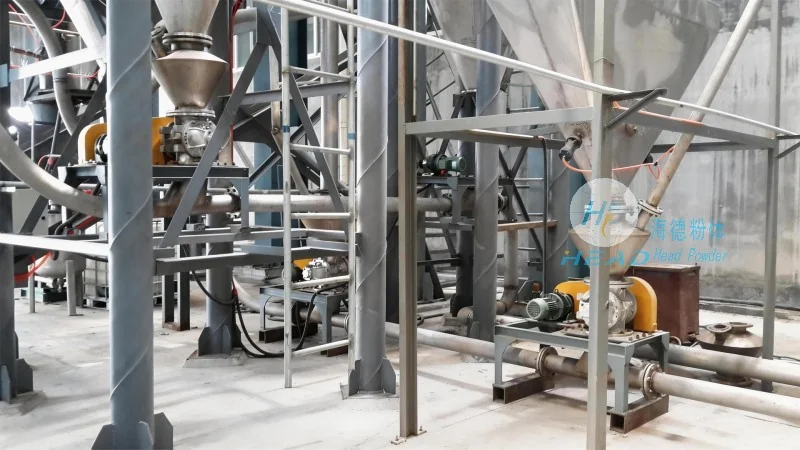
Several methods are commonly used for transporting sodium carbonate, each with its own set of advantages and limitations. The primary options include mechanical conveying systems like belt conveyors and screw conveyors, as well as pneumatic conveying systems. Mechanical systems are often preferred for short distances and bulk material handling, while pneumatic systems excel in long-distance and high-velocity applications. Let's delve into the key characteristics of each method.
1. Mechanical Conveying Systems: Belt and Screw Conveyors

Mechanical conveying systems rely on mechanical components to move material. Belt conveyors use a continuous belt that transports the material from the source to the destination. This method is suitable for transporting sodium carbonate over short to medium distances, typically up to several hundred meters. Belt conveyors are particularly effective for handling large volumes of material and can be integrated with other equipment, such as hoppers and storage silos. However, they may face challenges with fine powders, as the material can stick to the belt or cause uneven flow. Screw conveyors, also known as auger conveyors, use a rotating screw to push material forward. These systems are ideal for vertical or inclined transport and can handle dry or slightly moist materials. They are commonly used in processing plants where space is limited. While mechanical systems are relatively simple and cost-effective, they may require regular maintenance and can be less efficient for long-distance transport compared to pneumatic systems.
2. Pneumatic Conveying Systems: The Preferred Solution for Sodium Carbonate
Pneumatic conveying systems use air or other gases to transport material through a pipeline. This method is particularly well-suited for sodium carbonate due to its ability to handle fine powders, transport over long distances, and maintain material integrity. There are two main types of pneumatic conveying: pressure and vacuum systems. Pressure systems use compressed air to push material through the pipeline, while vacuum systems use a vacuum to pull material from the source. The choice between the two depends on the distance and the required flow rate. Pneumatic conveying offers several advantages over mechanical systems, including reduced equipment wear, lower maintenance costs, and the ability to transport material through multiple points without the need for intermediate storage. For sodium carbonate, pneumatic systems are often preferred for their efficiency and flexibility.
Advantages of Pneumatic Conveying for Sodium Carbonate

Implementing a pneumatic conveying system for sodium carbonate offers numerous benefits. First, it provides a clean and dust-free transport process, which is essential for maintaining product quality and meeting environmental regulations. Unlike mechanical systems that may generate dust and require additional dust control measures, pneumatic systems keep the material contained within the pipeline. Second, pneumatic conveying allows for precise control over the flow rate and pressure, ensuring consistent delivery to the destination. This is particularly important in industries where the quality of the material is critical, such as glass manufacturing, where the purity of sodium carbonate affects the final product's properties. Third, pneumatic systems are highly adaptable and can be easily integrated with other processing equipment, such as mixers and reactors. This flexibility enables manufacturers to optimize their production lines and improve overall efficiency. Additionally, pneumatic conveying reduces the risk of material contamination, as the system is sealed and does not come into direct contact with the environment.

 Shandong Headpowder Engineering Co., Ltd.
 156-6277-7102(Quản lý Trương)
  0531-83386006
  Thành phố Tế Nam, Tỉnh Sơn Đông, Trung Quốc
Điện thoại
WeChatTư vấn
Lên đầu