Chuyên sâu trong lĩnh vực vật liệu rời công nghiệp, cung cấp giải pháp môi trường thông minh tích hợp cho phối trộn tự động, cấp liệu tập trung, khử lưu huỳnh và khử nitơ khô!
When it comes to handling and transporting zinc oxide, selecting the right conveying method is crucial for maintaining product quality, ensuring operational efficiency, and minimizing downtime. As a leading provider in the field, Shandong HeadPowder Engineering Co., Ltd. specializes in advanced material handling solutions tailored to the unique needs of industries that rely on zinc oxide. This article explores the common conveying methods used for zinc oxide, with a particular focus on the benefits and applications of pneumatic conveying systems.
Understanding Zinc Oxide and Its Conveying Requirements

Zinc oxide (ZnO) is a versatile inorganic compound widely used in various industries, including pharmaceuticals, ceramics, rubber, and cosmetics. Its fine powder form and chemical properties make it sensitive to handling conditions, requiring specialized equipment to prevent agglomeration, contamination, and degradation during transport. The choice of conveying method directly impacts the integrity of the material, as improper handling can lead to clogging, dust generation, or loss of product quality. Therefore, understanding the characteristics of zinc oxide and the capabilities of different conveying systems is essential for optimizing material flow and operational performance.
Common Conveying Methods for Zinc Oxide
Several methods are employed for transporting zinc oxide, each with its own advantages and limitations. The primary options include mechanical conveying systems, such as screw conveyors and belt conveyors, and pneumatic conveying systems, which utilize air or other gases to move the material. Mechanical systems are often used for short-distance, low-volume applications where the material is less abrasive and less prone to degradation. However, for bulk handling and long-distance transport, pneumatic conveying has become the preferred choice due to its ability to handle fine powders efficiently and maintain product purity.
Pneumatic Conveying: The Preferred Solution for Zinc Oxide
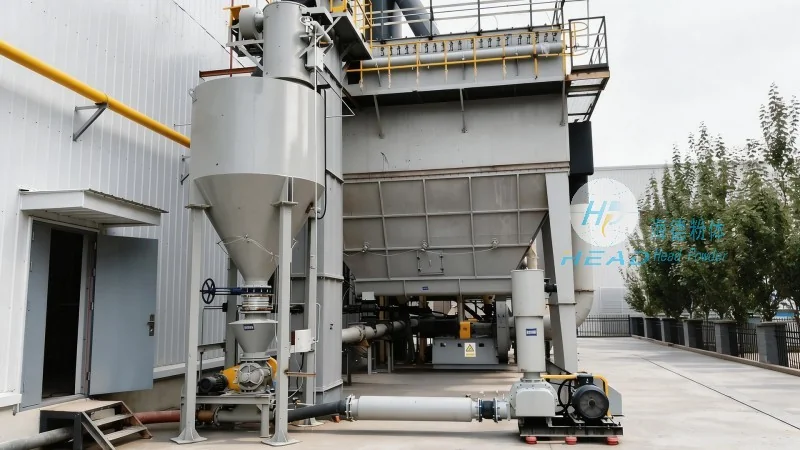
Pneumatic conveying systems, also known as air conveying systems, are designed to transport bulk materials like zinc oxide through a network of pipes using compressed air. This method offers several key advantages that make it ideal for zinc oxide applications. First, it provides a closed system that minimizes dust exposure and environmental contamination, which is critical for maintaining product quality and compliance with safety regulations. Second, pneumatic conveying can handle fine, abrasive powders without causing excessive wear on equipment, as the material is carried by the air stream rather than mechanical components. Third, it allows for flexible and scalable system designs, enabling easy integration with existing production lines and expansion as demand grows.
Key Components of a Zinc Oxide Pneumatic Conveying System

A typical pneumatic conveying system for zinc oxide consists of several essential components that work together to ensure efficient material transport. These include a material feed hopper, which stores and feeds the zinc oxide into the system; a rotary airlock valve, which controls the flow of material from the hopper to the conveying line; a venturi or pressure drop device, which accelerates the air and material mixture; and a receiver or discharge hopper, which collects the material at the destination. Additionally, the system may include filters, cyclones, and dust collectors to remove any entrained particles and maintain air quality. The design of each component is critical to the overall performance of the system, as improper sizing or selection can lead to inefficiencies or equipment failure.
Applications and Industries Benefiting from Zinc Oxide Pneumatic Conveying
The versatility of pneumatic conveying systems makes them suitable for a wide range of industries that utilize zinc oxide. In the pharmaceutical industry, for example, pneumatic conveying is used to transport zinc oxide into mixing and blending equipment, ensuring a consistent and contamination-free product. In the rubber and tire manufacturing sector, zinc oxide is conveyed to compounding lines where it is mixed with other ingredients to produce high-quality rubber products. The ceramics industry also relies on pneumatic conveying to transport zinc oxide to kilns and processing equipment, where it is used as a pigment or flux. Other applications include the cosmetics industry, where zinc oxide is used in sunscreens and other personal care products, and the chemical industry, where it serves as a catalyst or precursor in various processes.
Advantages of Choosing Shandong HeadPowder Engineering Co., Ltd. for Zinc Oxide Conveying Solutions
For businesses seeking reliable and efficient zinc oxide conveying solutions, Shandong HeadPowder Engineering Co., Ltd. offers comprehensive expertise and tailored systems. With years of experience in material handling and process engineering, the company understands the unique challenges of handling fine powders like zinc oxide and provides customized solutions that meet specific operational requirements. The company’s team of engineers works closely with clients to assess their production needs, material characteristics, and facility constraints to design and implement optimal conveying systems. Whether it's a new installation or an upgrade to an existing system, Shandong HeadPowder Engineering Co., Ltd. ensures that the chosen solution is efficient, durable, and compliant with industry standards. The company’s commitment to quality and customer satisfaction has made it a trusted partner for industries worldwide, helping them improve productivity, reduce costs, and maintain product integrity throughout the conveying process.

 Shandong Headpowder Engineering Co., Ltd.
 156-6277-7102(Quản lý Trương)
  0531-83386006
  Thành phố Tế Nam, Tỉnh Sơn Đông, Trung Quốc
Điện thoại
WeChatTư vấn
Lên đầu