Chuyên sâu trong lĩnh vực vật liệu rời công nghiệp, cung cấp giải pháp môi trường thông minh tích hợp cho phối trộn tự động, cấp liệu tập trung, khử lưu huỳnh và khử nitơ khô!
Quartz sand, a widely used industrial material, requires efficient and reliable conveying methods to ensure smooth production processes. The choice of conveying method significantly impacts operational efficiency, cost, and material integrity. This article explores various quartz sand particle conveying methods, with a focus on the advantages and features of pneumatic conveying, a popular solution in the industry.
Common Conveying Methods for Quartz Sand Particles
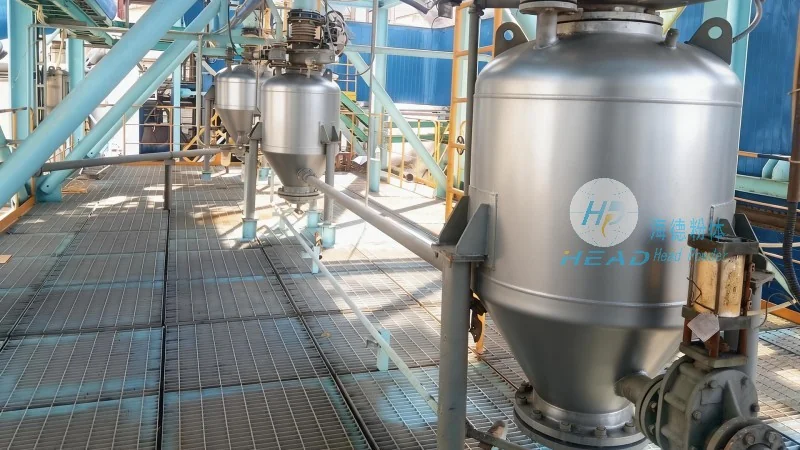
Quartz sand particles are typically transported using several methods, each with its own set of applications and limitations. Traditional methods include gravity flow, mechanical conveyors, and hydraulic systems. Gravity flow relies on the natural slope of the material to move it, which is suitable for short distances and low volumes but is inefficient for long or steep inclines. Mechanical conveyors, such as belt conveyors and screw conveyors, are widely used for bulk material handling. They offer high capacity and can operate over long distances, but they may cause material degradation due to friction and impact. Hydraulic systems use fluid to transport particles, which is effective for wet or abrasive materials but requires complex infrastructure and maintenance.
Pneumatic Conveying: A Comprehensive Overview
Pneumatic conveying, also known as air conveying, is a method that uses compressed air to transport dry or fine particles through a pipeline. This technology has become increasingly popular for quartz sand due to its flexibility, efficiency, and ability to handle a wide range of particle sizes and moisture contents. The process involves creating a pressure differential between the inlet and outlet of the system, which draws the particles into the pipeline and transports them to the destination. Pneumatic conveying systems can be categorized into two main types: pressure and vacuum systems. Pressure systems use compressed air to push the material through the pipeline, while vacuum systems use a vacuum to pull the material. Both types offer advantages depending on the specific application and operational requirements.
Advantages of Quartz Sand Particle Pneumatic Conveying
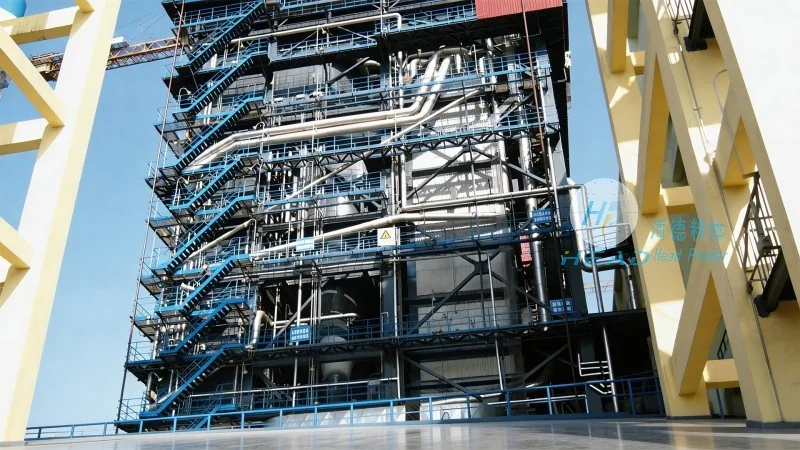
One of the primary advantages of pneumatic conveying for quartz sand is its ability to handle fine and abrasive particles without causing damage. Unlike mechanical conveyors, which can generate high friction and impact, pneumatic systems use air to move particles, reducing wear and tear on the material and equipment. This results in lower maintenance costs and longer equipment life. Additionally, pneumatic conveying allows for the transportation of materials over long distances and through complex layouts, such as vertical lifts and horizontal curves, without the need for multiple transfer points. This flexibility makes it ideal for industrial settings where space is limited or where the material needs to be moved to multiple destinations.
Key Features of Pneumatic Conveying Systems

Pneumatic conveying systems for quartz sand are designed with several key features to enhance performance and reliability. One of the most important features is the use of high-quality materials for the pipeline and components to withstand the abrasive nature of quartz sand. The system typically includes a hopper or feeder to control the flow of material, a compressor or vacuum pump to generate the necessary pressure or vacuum, and a control system to regulate the flow rate and pressure. Advanced systems may also include filters and cyclones to separate the particles from the air and return the air to the system for reuse, reducing energy consumption and environmental impact. The control system allows for precise adjustment of the conveying rate, ensuring consistent material flow and preventing overloading or underloading of the system.
Applications and Industries Using Quartz Sand Pneumatic Conveying
Quartz sand particle pneumatic conveying is widely used in various industries, including construction, glass manufacturing, and foundries. In the construction industry, quartz sand is used as a raw material for concrete and mortar, and pneumatic conveying allows for efficient transportation from storage to mixing plants. In glass manufacturing, quartz sand is a key ingredient in glass production, and the high temperature and abrasive nature of the material make pneumatic conveying an ideal choice. In foundries, quartz sand is used for sand casting, and the ability to transport fine particles without degradation is crucial for maintaining the quality of the cast products. The versatility of pneumatic conveying makes it suitable for a wide range of applications, from small-scale operations to large industrial plants.

Conclusion and Company Information
Quartz sand particle conveying methods vary, with pneumatic conveying emerging as a preferred solution due to its efficiency, flexibility, and ability to handle abrasive materials. The advantages of pneumatic systems, including reduced wear and tear, long-distance transportation, and precise control, make them a cost-effective choice for many industrial applications. As the demand for quartz sand continues to grow, the importance of efficient conveying methods becomes increasingly critical. HeadPowder, a leading provider of industrial conveying solutions, specializes in designing and manufacturing pneumatic conveying systems tailored to the specific needs of quartz sand applications. With a focus on quality, reliability, and customer satisfaction, HeadPowder offers comprehensive solutions that enhance operational efficiency and reduce costs for its clients. Based in Shandong, China, HeadPowder leverages its expertise and advanced technology to deliver innovative solutions that meet the evolving needs of the industry.

 Shandong Headpowder Engineering Co., Ltd.
 156-6277-7102(Quản lý Trương)
  0531-83386006
  Thành phố Tế Nam, Tỉnh Sơn Đông, Trung Quốc
Điện thoại
WeChatTư vấn
Lên đầu