Chuyên sâu trong lĩnh vực vật liệu rời công nghiệp, cung cấp giải pháp môi trường thông minh tích hợp cho phối trộn tự động, cấp liệu tập trung, khử lưu huỳnh và khử nitơ khô!
Ferrous sulfate, a widely used chemical in industrial applications such as water treatment, metal processing, and chemical synthesis, requires efficient and reliable transportation from storage to processing points. The choice of conveying method significantly impacts operational efficiency, cost, and safety. Traditional methods like belt conveyors, screw conveyors, and bucket elevators have been widely adopted, but each comes with its own set of limitations. This article explores the various conveying options available for ferrous sulfate and highlights the advantages of pneumatic conveying as a modern solution.

About HeadPowder Engineering Co., Ltd.
HeadPowder Engineering Co., Ltd., a leading provider of specialized conveying solutions, is headquartered in Shandong, China. With years of experience in the chemical processing industry, the company specializes in designing and manufacturing advanced pneumatic conveying systems tailored to the unique needs of clients handling ferrous sulfate and other bulk materials. The company's commitment to innovation and quality ensures that its solutions meet the highest standards of performance and reliability.
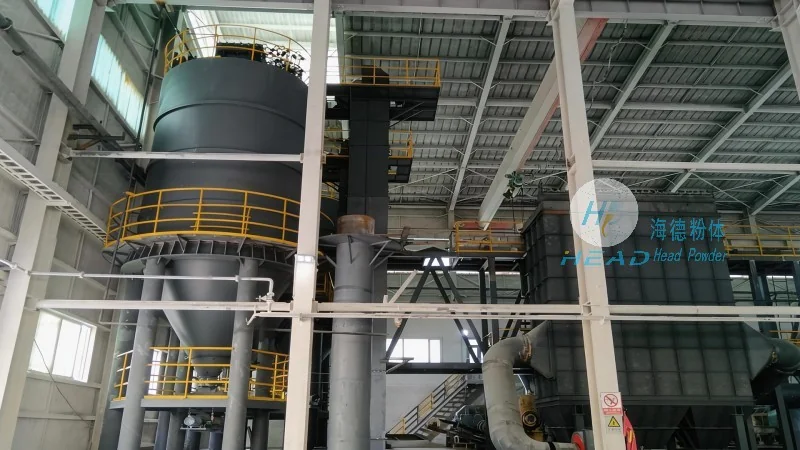
Advantages of Pneumatic Conveying for Ferrous Sulfate
Pneumatic conveying, also known as air conveying, is a method that uses compressed air to transport bulk materials like ferrous sulfate through a pipeline system. This technology offers several key advantages over traditional mechanical conveying methods. First, it provides a completely enclosed system, which helps in controlling dust and preventing contamination, a critical factor for ferrous sulfate, which can be hygroscopic and prone to oxidation. Second, pneumatic conveying allows for flexible and space-saving installations, as the pipeline can be routed along walls or through ceilings, minimizing the need for large equipment and floor space. Third, it enables high-speed and continuous material transfer, reducing downtime and increasing overall productivity. Additionally, the system can be easily integrated with other processing equipment, such as mixers and reactors, streamlining the production process.
Different Types of Pneumatic Conveying Systems
There are two primary types of pneumatic conveying systems used for ferrous sulfate: positive pressure and negative pressure systems. Positive pressure systems use a blower to generate compressed air that pushes the material through the pipeline. This method is suitable for long-distance and high-capacity applications, as it can handle larger quantities of material with less pressure drop. Negative pressure systems, on the other hand, use a vacuum to draw the material into the pipeline. These systems are ideal for short-distance and low-capacity applications, as they are less energy-intensive and easier to install. Both systems have their own advantages and are chosen based on the specific requirements of the application, such as the distance between the source and destination, the material's properties, and the available space for installation.
Practical Applications and Benefits
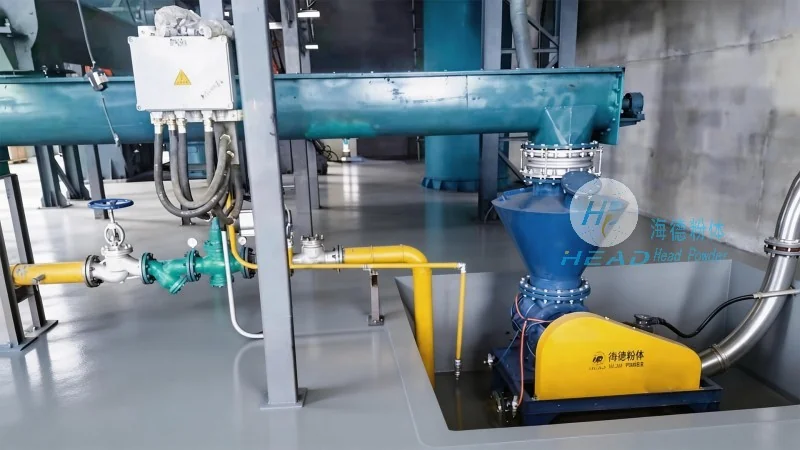
In industrial settings, the use of pneumatic conveying for ferrous sulfate has proven to be highly effective. For example, in water treatment plants, ferrous sulfate is used as a coagulant to remove impurities from water. Pneumatic conveying allows for the precise and controlled addition of the chemical to the treatment process, ensuring optimal performance and reducing the risk of over-dosing or under-dosing. In metal processing, ferrous sulfate is used as a reducing agent in the production of iron and steel. The efficient transport of the material via pneumatic conveying ensures a steady supply to the reactors, improving the overall yield and quality of the final product. The benefits of pneumatic conveying extend beyond just material transport; it also enhances workplace safety by eliminating the need for manual handling of bulk materials, reducing the risk of accidents and exposure to dust.
Conclusion and Recommendations
Selecting the right conveying method for ferrous sulfate is crucial for optimizing industrial operations. While traditional methods have their place, pneumatic conveying offers a modern, efficient, and safe solution that addresses many of the challenges associated with bulk material handling. By considering factors such as material properties, distance, and operational requirements, industries can choose the most suitable conveying system. HeadPowder Engineering Co., Ltd., with its expertise in pneumatic conveying systems, provides customized solutions that meet the specific needs of clients, ensuring reliable and cost-effective transportation of ferrous sulfate. The company's commitment to quality and innovation makes it a trusted partner for businesses looking to enhance their material handling processes.

 Shandong Headpowder Engineering Co., Ltd.
 156-6277-7102(Quản lý Trương)
  0531-83386006
  Thành phố Tế Nam, Tỉnh Sơn Đông, Trung Quốc
Điện thoại
WeChatTư vấn
Lên đầu