Chuyên sâu trong lĩnh vực vật liệu rời công nghiệp, cung cấp giải pháp môi trường thông minh tích hợp cho phối trộn tự động, cấp liệu tập trung, khử lưu huỳnh và khử nitơ khô!
Algae powder, a critical raw material in sectors such as food, cosmetics, and biofuel production, demands efficient and reliable conveying systems to support smooth industrial operations. The selection of a suitable conveying method directly impacts production efficiency, material integrity, and overall operational costs. Among the available options, pneumatic conveying emerges as a preferred solution for transporting algae powder due to its unique technical advantages and practical features.

Exploring Conveying Methods for Algae Powder
Before focusing on pneumatic conveying, it's essential to understand the primary methods used for handling algae powder. Traditional approaches like belt conveyors, screw conveyors, and bucket elevators have been widely adopted in industrial settings. However, these methods often encounter challenges when dealing with fine, dusty materials like algae powder, including material degradation, blockages, and elevated maintenance needs. In contrast, pneumatic conveying provides a more advanced solution that effectively addresses these issues.
Pneumatic Conveying: A Detailed Overview
Pneumatic conveying, also known as air conveying, utilizes compressed air or gas to transport bulk materials through a pipeline network. This method is particularly well-suited for fine powders like algae powder, which are prone to dust generation and caking. The system typically consists of a hopper, a blower or compressor, a pipeline system, and a discharge unit. As the material is fed into the hopper, air is introduced, creating a flow that suspends and transports the powder through the pipeline to the target location.
Key Advantages of Pneumatic Conveying for Algae Powder

One of the most significant advantages of pneumatic conveying for algae powder is its ability to handle fine, abrasive materials without causing damage. Unlike mechanical conveyors that may crush or degrade the powder, pneumatic systems preserve the material's integrity, ensuring consistent quality for downstream processes. Additionally, pneumatic conveying offers high efficiency in terms of material transport speed and throughput, enabling rapid and continuous material transfer. This is crucial for industries that require large volumes of algae powder to be processed promptly.
Another key benefit is the flexibility of pneumatic conveying systems. They can be easily adapted to different production layouts and can transport materials over long distances without the need for multiple transfer points. This reduces system complexity and minimizes the risk of material loss or contamination. Furthermore, pneumatic systems are generally more hygienic and easier to clean compared to mechanical conveyors, which is particularly important in food and pharmaceutical applications where algae powder is utilized.
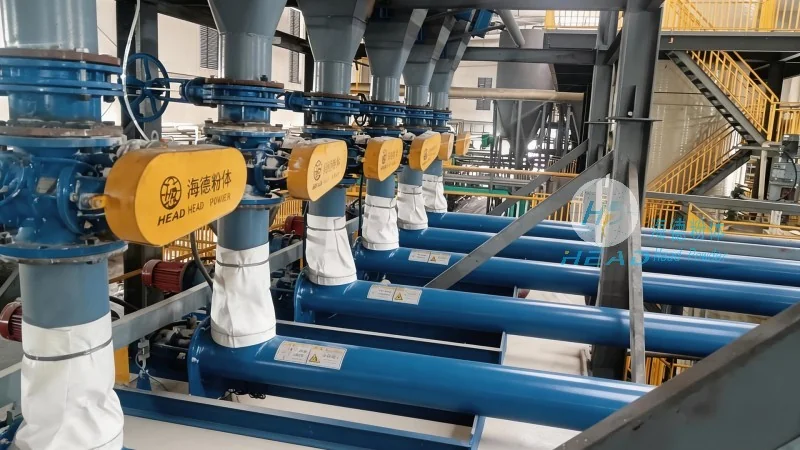
Technical Features and Considerations
When implementing a pneumatic conveying system for algae powder, several technical aspects and considerations must be addressed. The choice of air velocity is critical, as it directly affects material flow and system efficiency. Proper air velocity ensures full suspension of the powder and prevents excessive pressure drops or material degradation. Additionally, the design of the pipeline system—including bends, elbows, and filters—plays a vital role in maintaining performance and preventing blockages.
Material properties, such as particle size, density, and moisture content, also influence the selection of the appropriate pneumatic conveying system. For example, fine algae powder with high moisture content may require a system with higher air velocity or additional drying steps to prevent clogging. The system's capacity and pressure requirements must be carefully matched to production needs to ensure optimal performance and cost-effectiveness.

Applications and Industries
Pneumatic conveying for algae powder finds applications in various industries, including algae-based biofuel production, dietary supplement manufacturing, and cosmetics. In biofuel production, efficient transport of algae powder is essential for processing large volumes of biomass into fuel. In the food industry, conveying algae powder for nutritional supplements requires systems that maintain material quality and prevent contamination. Similarly, in the cosmetics industry, the use of algae powder in skincare products demands hygienic and reliable conveying systems to ensure product purity.
Conclusion: The Importance of Pneumatic Conveying
In conclusion, pneumatic conveying offers a superior solution for transporting algae powder compared to traditional mechanical methods. Its ability to handle fine, abrasive materials, maintain material quality, and provide high efficiency makes it an ideal choice for modern industrial applications. As the demand for algae-based products continues to grow, the adoption of advanced conveying systems like pneumatic conveying will become increasingly vital for ensuring sustainable and cost-effective production processes. Companies like Shandong HeadPowder Engineering Co., Ltd., specializing in material handling engineering solutions, play a crucial role in developing and implementing such systems to meet the evolving needs of the industry.

 Shandong Headpowder Engineering Co., Ltd.
 156-6277-7102(Quản lý Trương)
  0531-83386006
  Thành phố Tế Nam, Tỉnh Sơn Đông, Trung Quốc
Điện thoại
WeChatTư vấn
Lên đầu