Chuyên sâu trong lĩnh vực vật liệu rời công nghiệp, cung cấp giải pháp môi trường thông minh tích hợp cho phối trộn tự động, cấp liệu tập trung, khử lưu huỳnh và khử nitơ khô!
When it comes to transporting tailings slurry, selecting the right method is crucial for efficiency, cost-effectiveness, and environmental compliance. Among the various options available, pneumatic conveying stands out as a modern and effective solution. This article provides an overview of tailings slurry transport methods, with a focus on the advantages and features of pneumatic conveying systems, presented by Shandong HeadPowder Engineering Co., Ltd. (headpowder), a leading provider in the field based in Shandong, China.
Understanding Tailings Slurry Transport Methods
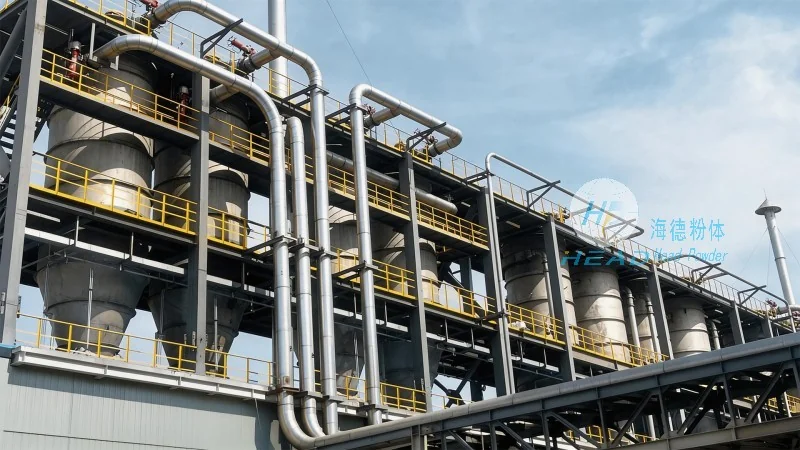
Tailings are the fine-grained residues left after mineral processing. Transporting these materials efficiently is essential for maintaining operational productivity and ensuring proper disposal or reuse. Traditional methods such as gravity flow, hydraulic transport, and mechanical conveyors have been used for decades, but each comes with its own set of challenges. Pneumatic conveying, however, offers a more flexible and efficient approach.
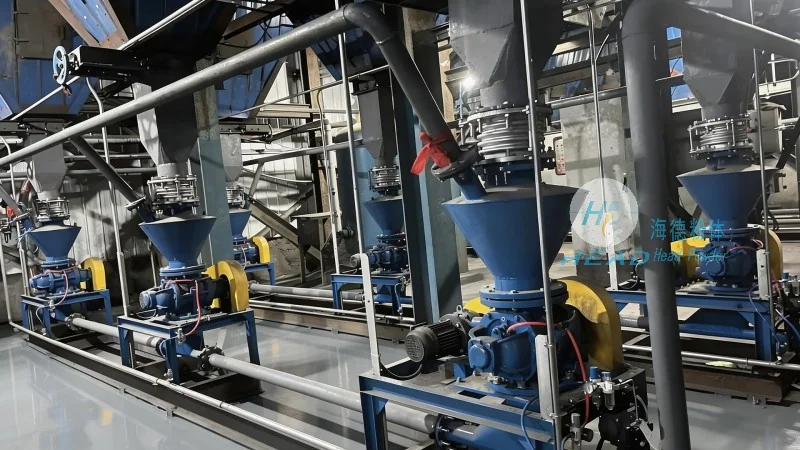
Pneumatic Conveying: The Preferred Solution for Tailings Slurry
Pneumatic conveying uses compressed air or gas to transport solid particles and liquids through a pipeline. This method is particularly suitable for tailings slurry due to its ability to handle abrasive and corrosive materials without causing wear or damage to the system. The core components of a pneumatic conveying system include a feeder, a conveying line, a separator, and a receiver. The system operates by creating a pressure differential that propels the slurry through the pipeline, ensuring smooth and continuous transport.
Advantages of Pneumatic Conveying for Tailings Slurry

One of the key advantages of pneumatic conveying is its ability to handle high concentrations of solids. Unlike hydraulic systems, which may require high water-to-solids ratios, pneumatic systems can transport tailings with a higher solids content, reducing the volume of water that needs to be managed. This leads to lower operational costs and less environmental impact. Additionally, pneumatic conveying systems are more flexible in terms of layout and can be easily expanded or reconfigured to accommodate changes in plant operations.
Key Features of Pneumatic Conveying Systems
Modern pneumatic conveying systems for tailings slurry are equipped with advanced features that enhance performance and reliability. These include: high-pressure air compressors that provide the necessary force for transport, specialized feeders designed to handle abrasive materials without clogging, and efficient separators that separate the solids from the air stream, preventing particle buildup in the system. The use of corrosion-resistant materials in the construction of the conveying lines and components ensures long-term durability, even in harsh environments.
Operational Benefits and Cost Efficiency
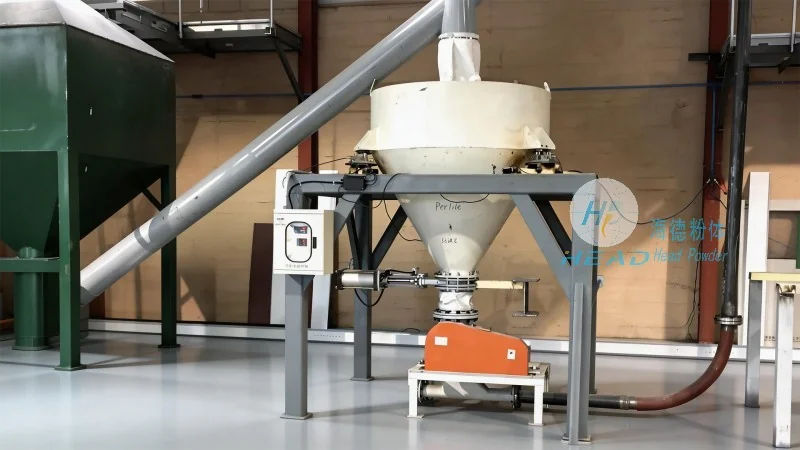
Implementing a pneumatic conveying system for tailings slurry transport offers several operational benefits. The automated nature of the system reduces the need for manual labor, minimizing human error and improving safety. The consistent flow of material ensures that downstream processes, such as dewatering or disposal, operate smoothly without interruptions. From a cost perspective, pneumatic conveying systems have lower maintenance requirements compared to mechanical conveyors, as there are fewer moving parts that can wear out. Additionally, the reduced water usage in pneumatic systems leads to lower water treatment costs and less environmental impact.
Conclusion
For industries dealing with tailings slurry, pneumatic conveying represents a superior transport method compared to traditional alternatives. The advantages in terms of efficiency, flexibility, and cost-effectiveness make it an ideal choice for modern mining and mineral processing operations. Shandong HeadPowder Engineering Co., Ltd. specializes in designing and manufacturing customized pneumatic conveying systems tailored to the specific needs of each project, ensuring optimal performance and reliability. With their expertise and commitment to quality, headpowder provides solutions that help clients achieve their operational goals while maintaining environmental standards.

 Shandong Headpowder Engineering Co., Ltd.
 156-6277-7102(Quản lý Trương)
  0531-83386006
  Thành phố Tế Nam, Tỉnh Sơn Đông, Trung Quốc
Điện thoại
WeChatTư vấn
Lên đầu