Chuyên sâu trong lĩnh vực vật liệu rời công nghiệp, cung cấp giải pháp môi trường thông minh tích hợp cho phối trộn tự động, cấp liệu tập trung, khử lưu huỳnh và khử nitơ khô!
In the field of nanopowder processing, efficient and reliable material handling is crucial for maintaining product quality and operational efficiency. The choice of conveying method directly impacts production throughput, equipment maintenance costs, and overall process safety. Shandong HeadPowder Engineering Co., Ltd., a leading manufacturer based in Shandong, China, specializes in providing tailored solutions for nanopowder handling. This article provides a detailed comparison of common nanopowder conveying methods, highlighting their advantages and disadvantages to assist industries in selecting the most suitable technology for their specific applications.
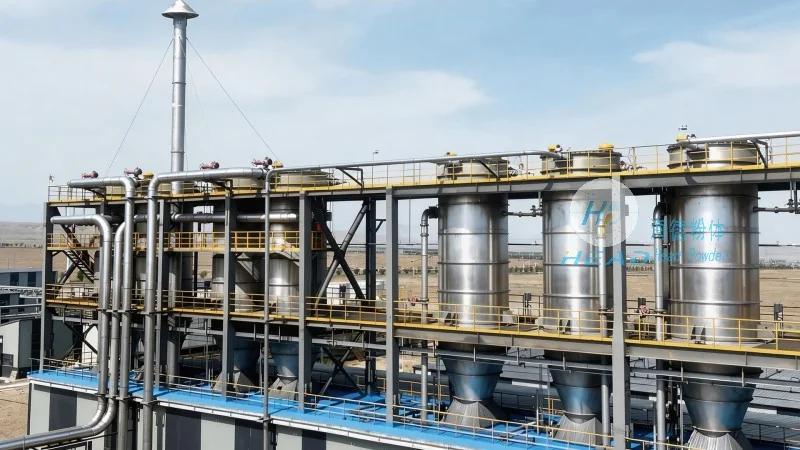
1. Air-Flow Conveying (Pneumatic Conveying)
Air-flow conveying, or pneumatic conveying, is a widely used method for transporting fine powders, including nanoparticles, due to its ability to handle materials over long distances without mechanical contact. This method utilizes compressed air to move powders through a pipeline system. The primary advantage of air-flow conveying is its flexibility in handling various powder types, including those that are hygroscopic or sensitive to mechanical stress. It also allows for the integration of dust collection and filtration systems, which is essential for maintaining air quality and meeting environmental regulations. However, the method has notable drawbacks. One significant disadvantage is the high energy consumption associated with compressed air systems, which can increase operational costs. Additionally, air-flow conveying may not be suitable for powders with high moisture content or those that are prone to agglomeration, as these factors can lead to blockages and reduced efficiency. The system also requires regular maintenance of air filters and pipelines to prevent contamination and ensure consistent performance.

2. Screw Conveyors
Screw conveyors are another common option for nanopowder transport, particularly in applications where horizontal or slight incline movement is required. These devices consist of a rotating screw inside a tube, which pushes the material forward. The main advantage of screw conveyors is their simplicity and low maintenance requirements. They are effective for handling dry, free-flowing powders and can be easily integrated into existing production lines. Screw conveyors also provide a closed system, which helps in controlling dust and preventing material contamination. A key drawback is their limited capacity for very fine or cohesive powders, as the screw may cause agglomeration or blockage. Moreover, the method is not suitable for powders that are sensitive to shear forces, as the rotating screw can damage particle structures. The design of screw conveyors also restricts the ability to handle powders with high moisture content, as the material may stick to the screw and the tube walls, leading to inefficiencies.
3. Vibrating Conveyors
Vibrating conveyors use mechanical vibrations to move powders along a trough. This method is particularly effective for handling bulk materials, including nanopowders, that are prone to sticking or bridging. The primary advantage of vibrating conveyors is their ability to prevent material accumulation and maintain consistent flow rates. They are ideal for powders with high moisture content or those that are cohesive, as the vibrations help break up agglomerates and ensure smooth transport. Vibrating conveyors also offer a low-cost solution with minimal moving parts, reducing maintenance needs. However, the method has limitations in terms of conveying distance and speed. They are generally suitable for short to medium distances and may not be efficient for long-distance transport. Additionally, the vibrations can generate noise, which may require noise control measures in industrial settings. The system also requires proper alignment and balance to avoid excessive wear on components and ensure stable operation.
4. Belt Conveyors

Belt conveyors are widely used in material handling for various industries, including nanopowder processing. These systems use a continuous belt to transport materials horizontally or at a slight incline. The main advantage of belt conveyors is their high capacity and ability to handle large volumes of material efficiently. They are suitable for a wide range of powder types, including those with high bulk density or abrasive properties. Belt conveyors also provide a stable and continuous flow, which is beneficial for maintaining production rates. A significant disadvantage is their susceptibility to dust generation, especially for fine powders like nanoparticles. This can lead to environmental and health hazards if not properly controlled. Additionally, belt conveyors require regular cleaning and maintenance to prevent material buildup on the belt and rollers, which can affect performance and longevity. The system also has higher initial costs compared to other conveying methods, and the belt itself may need frequent replacement due to wear from abrasive powders.
5. Hydraulic Conveying
Hydraulic conveying, also known as slurry transport, involves suspending powders in a liquid medium and transporting them through pipelines. This method is particularly effective for handling wet or sticky powders that are difficult to convey using other methods. The primary advantage of hydraulic conveying is its ability to handle materials with high moisture content or those that are prone to agglomeration. It also allows for the integration of mixing and homogenization processes during transport, which can improve product consistency. However, the method has significant drawbacks related to environmental and operational costs. The use of water or other liquids increases the risk of contamination and requires additional treatment systems to manage waste. The energy consumption for pumping the slurry is also higher compared to other methods, leading to increased operational expenses. Additionally, hydraulic conveying may not be suitable for powders that are sensitive to moisture or those that need to be kept dry, as the liquid medium can cause degradation or changes in particle properties. The system also requires careful management of the liquid-to-powder ratio to prevent clogging and ensure smooth flow.
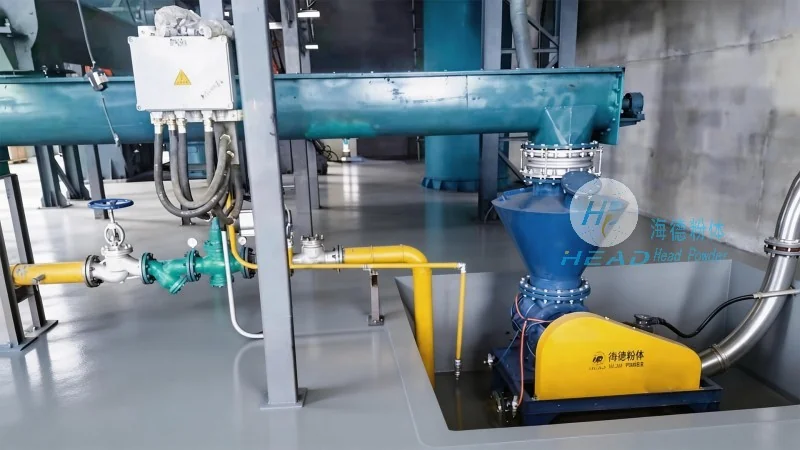
6. Selection Criteria for Nanopowder Conveying Methods
When selecting a nanopowder conveying method, several factors must be considered to ensure optimal performance and cost-effectiveness. The first criterion is the physical properties of the nanopowder, including particle size, density, moisture content, and cohesive behavior. Powders with high moisture content or tendency to agglomerate may require methods like vibrating or hydraulic conveyors. The second factor is the required conveying distance and speed, as different methods are better suited for short or long distances. For example, air-flow conveying is ideal for long-distance transport, while screw or belt conveyors may be more appropriate for shorter distances. The third consideration is the environmental and safety requirements, such as dust control and compliance with regulations. Methods like air-flow or hydraulic conveyors may require additional equipment to meet these standards. Finally, the cost of installation, operation, and maintenance must be evaluated. While some methods may have lower initial costs, they may incur higher long-term expenses due to energy consumption or maintenance needs. Shandong HeadPowder Engineering Co., Ltd. offers customized conveying solutions that address these factors, ensuring that clients select the most suitable technology for their specific needs and operational constraints.

 Shandong Headpowder Engineering Co., Ltd.
 156-6277-7102(Quản lý Trương)
  0531-83386006
  Thành phố Tế Nam, Tỉnh Sơn Đông, Trung Quốc
Điện thoại
WeChatTư vấn
Lên đầu