Chuyên sâu trong lĩnh vực vật liệu rời công nghiệp, cung cấp giải pháp môi trường thông minh tích hợp cho phối trộn tự động, cấp liệu tập trung, khử lưu huỳnh và khử nitơ khô!
For industrial applications involving steel grit, selecting the appropriate conveying method is crucial for efficiency, cost-effectiveness, and operational safety. This article provides a detailed comparison of common steel grit conveying methods, highlighting their advantages and disadvantages to assist in informed decision-making. The information is presented by Shandong HeadPowder Engineering Co., Ltd., a leading provider of industrial conveying solutions based in China.
About HeadPowder: Your Trusted Partner in Steel Grit Conveying
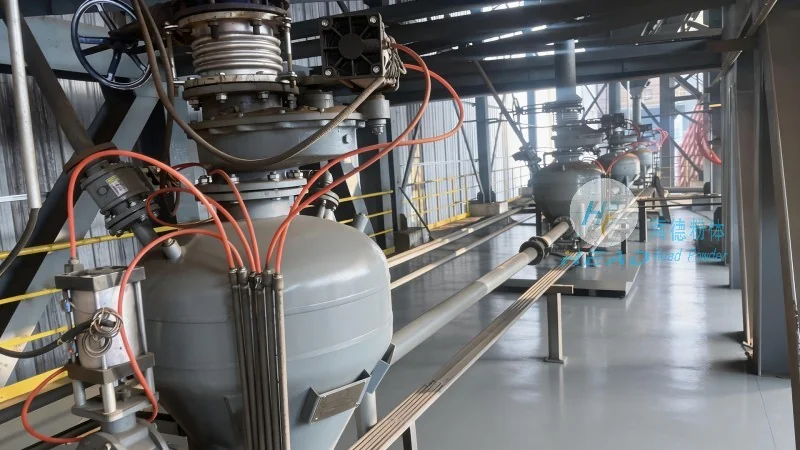
Shandong HeadPowder Engineering Co., Ltd., commonly known as HeadPowder, is a professional manufacturer and supplier specializing in industrial conveying equipment. With a strong presence in China, HeadPowder has established itself as a reliable partner for businesses seeking efficient and reliable steel grit handling solutions. Our expertise lies in designing and manufacturing equipment tailored to meet the specific needs of various industrial sectors, ensuring optimal performance and durability.
Overview of Common Steel Grit Conveying Methods
Steel grit, often used in surface treatment processes like shot blasting, requires effective and safe conveying from storage to processing equipment. Several methods are commonly employed, each with distinct characteristics that influence their suitability for different applications. The primary methods include gravity conveyors, mechanical conveyors (such as belt and screw conveyors), pneumatic conveyors, and hydraulic systems. Each method has its own set of advantages and limitations, which are discussed below.
1. Gravity Conveying Systems
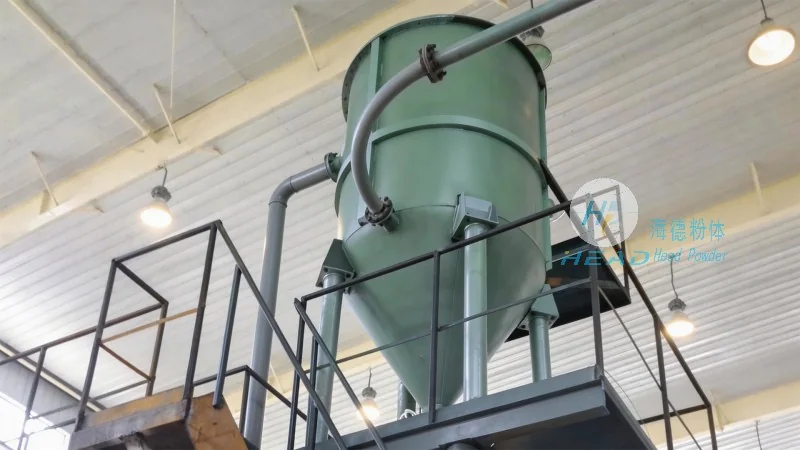
Gravity conveying systems utilize the natural force of gravity to move steel grit from one point to another. These systems typically consist of inclined chutes or troughs that allow the material to flow downward under the influence of gravity. The primary advantage of gravity conveyors is their simplicity and low operational cost, as they require minimal power and maintenance. They are particularly suitable for short to medium distances and when the material is free-flowing and non-abrasive. However, their effectiveness is limited by the need for a sufficient slope to ensure smooth flow, and they are not suitable for vertical or long horizontal distances. Additionally, gravity systems may not be efficient for handling large volumes or for materials with high moisture content, as this can lead to clogging or uneven flow.
2. Mechanical Conveying Methods
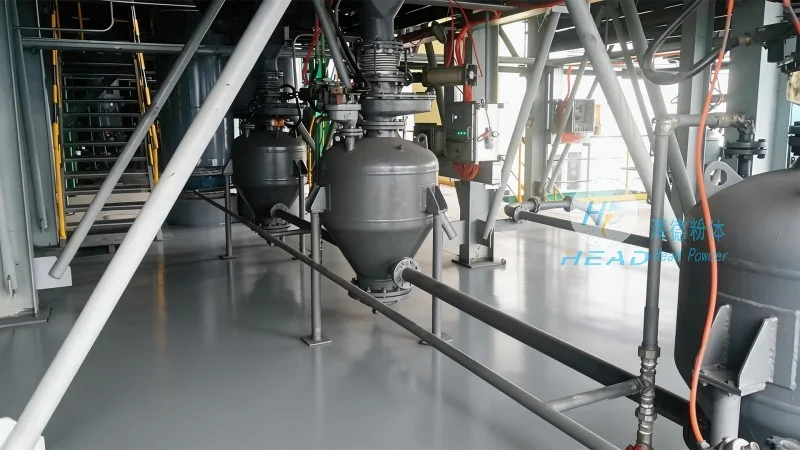
Mechanical conveyors, including belt and screw conveyors, are widely used for steel grit handling due to their versatility and ability to transport materials over longer distances. Belt conveyors use a continuous belt to transport the material, while screw conveyors utilize a rotating screw to push the grit forward. The main advantage of mechanical conveyors is their ability to handle a wide range of materials, including abrasive and heavy steel grit, and to transport materials over both horizontal and vertical distances. They are also relatively easy to install and maintain, with straightforward operational controls. However, mechanical conveyors require more power and maintenance compared to gravity systems, as the moving parts are subject to wear and tear. Additionally, they may generate more noise and vibration, which can affect the working environment. Another limitation is that belt conveyors can be susceptible to material buildup and wear on the belt surface, especially with abrasive steel grit.
3. Pneumatic Conveying Systems

Pneumatic conveying systems use air pressure to transport steel grit through a pipeline. These systems can be either positive pressure (where air pushes the material) or negative pressure (where air pulls the material). The primary advantage of pneumatic conveyors is their ability to transport materials over long distances, including vertical and horizontal routes, with minimal space requirements. They are also suitable for handling materials that are difficult to convey mechanically, such as fine or dusty grit. Pneumatic systems offer high flexibility in terms of layout and can be integrated with other processing equipment easily. However, they have higher operational costs due to the energy required to move air and the potential for material degradation from high-velocity air flow. Additionally, they may require more complex filtration and dust control systems to prevent air pollution and material loss. Pneumatic conveyors are also less efficient for handling large volumes of heavy steel grit, as the air pressure needed may be high, leading to increased energy consumption.
4. Hydraulic Conveying Systems
Hydraulic conveying systems use fluid pressure to transport steel grit through a pipeline. These systems are less common for steel grit handling compared to the other methods but are used in specific applications where high pressure and precise control are required. The main advantage of hydraulic systems is their ability to handle very high pressures and to transport materials over long distances with minimal energy loss. They are particularly suitable for applications involving abrasive or corrosive materials, as the fluid can protect the pipeline from wear and corrosion. However, hydraulic systems have higher initial costs and require specialized maintenance, as they involve complex fluid dynamics and pressure control mechanisms. They also have higher operational costs due to the energy required to pump the fluid and the need for regular fluid replacement. Additionally, hydraulic systems may be less flexible in terms of layout and are not suitable for applications requiring high material flow rates.
Conclusion: Choosing the Right Steel Grit Conveying Method
When selecting a steel grit conveying method, it is essential to consider factors such as the distance to be covered, the volume of material to be handled, the material characteristics (e.g., size, moisture content, abrasiveness), and the available space and budget. Gravity systems are ideal for short distances and free-flowing materials, while mechanical conveyors offer versatility for longer distances and heavy loads. Pneumatic systems are suitable for long-distance and flexible layouts, though they have higher energy costs. Hydraulic systems are best for high-pressure and specialized applications. By understanding the advantages and disadvantages of each method, industrial operators can choose the most appropriate conveying solution to ensure efficient and safe steel grit handling. Shandong HeadPowder Engineering Co., Ltd. provides a range of conveying equipment tailored to meet these diverse needs, ensuring optimal performance and reliability for industrial applications.

 Shandong Headpowder Engineering Co., Ltd.
 156-6277-7102(Quản lý Trương)
  0531-83386006
  Thành phố Tế Nam, Tỉnh Sơn Đông, Trung Quốc
Điện thoại
WeChatTư vấn
Lên đầu