Chuyên sâu trong lĩnh vực vật liệu rời công nghiệp, cung cấp giải pháp môi trường thông minh tích hợp cho phối trộn tự động, cấp liệu tập trung, khử lưu huỳnh và khử nitơ khô!
When it comes to handling magnesium powder in industrial applications, selecting the right conveying method is crucial for efficiency, safety, and cost-effectiveness. Magnesium powder, with its unique properties such as reactivity and light weight, requires specialized equipment to ensure reliable and safe transport. This article provides a detailed comparison of common magnesium powder conveying methods, highlighting their advantages and disadvantages to help industrial operators make informed decisions.
Introduction to Magnesium Powder Conveying Systems
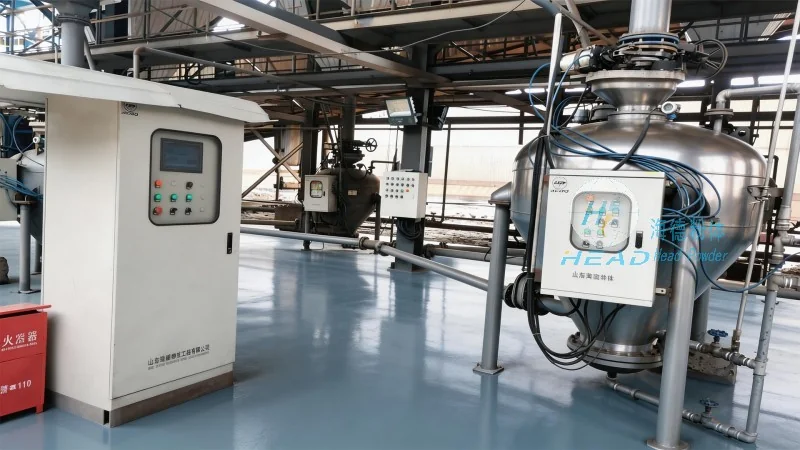
Magnesium powder is widely used in various industries, including aerospace, automotive, and metallurgy, due to its lightweight and high strength characteristics. However, its reactivity and fine particle size make it challenging to handle. Conveying systems must be designed to prevent dust accumulation, minimize material loss, and ensure consistent flow. The choice of conveying method depends on factors like material properties, production scale, and operational environment. Shandong HeadPowder Engineering Co., Ltd., a leading manufacturer in the field, specializes in providing tailored conveying solutions for magnesium powder handling.
1. Air-Pneumatic Conveying: The Preferred Method for Fine Powders

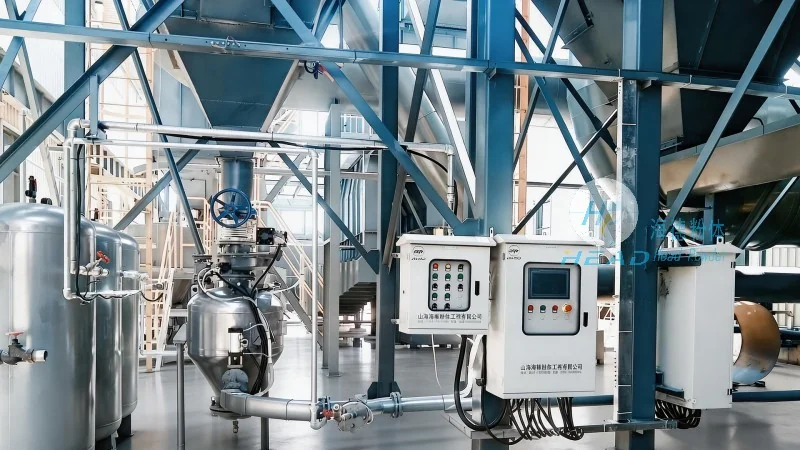
Air-pneumatic conveying, also known as pneumatic conveying, is widely regarded as the most effective method for transporting magnesium powder. This system uses compressed air to move the powder through a pipeline, combining both positive and negative pressure zones to achieve efficient transport. The primary advantage of this method is its ability to handle fine powders without the need for mechanical components that could cause contamination or material degradation. The system also allows for enclosed transport, reducing dust exposure and improving workplace safety. However, pneumatic conveying has limitations, particularly with high-volume or high-density materials, as it may require more energy and higher air pressure. Shandong HeadPowder Engineering Co., Ltd. has developed advanced air-pneumatic systems that optimize energy consumption while maintaining high conveying efficiency.
2. Screw Conveyors: A Reliable Option for Bulk Handling
Screw conveyors, or auger conveyors, are a traditional method for transporting magnesium powder, especially in bulk applications. These systems use a rotating screw to move material along a trough or pipe. The main advantage of screw conveyors is their simplicity and low maintenance requirements. They are suitable for horizontal or slight incline transport and can handle a wide range of powder types. However, screw conveyors have drawbacks, such as the risk of material bridging or clogging, especially with cohesive or fine powders. Additionally, they may not be as effective for long-distance transport compared to pneumatic systems. Shandong HeadPowder Engineering Co., Ltd. offers customized screw conveyor designs that incorporate anti-clogging features and material flow enhancement to improve performance with magnesium powder.
3. Vibrating Conveyors: Efficient for Light and Free-Flowing Materials

Vibrating conveyors use vibration to move magnesium powder along a trough. This method is particularly effective for light, free-flowing materials like magnesium powder, as the vibration helps to break up agglomerates and maintain consistent flow. The advantages of vibrating conveyors include low energy consumption and the ability to handle materials with varying particle sizes. They are also suitable for inclined or vertical transport, making them versatile for different production setups. However, vibrating conveyors may not be as efficient for high-volume or dense materials, and the vibration can sometimes cause wear on the conveyor components over time. Shandong HeadPowder Engineering Co., Ltd. has integrated advanced vibration technology into their conveying systems to ensure durability and consistent performance for magnesium powder transport.
4. Comparison of Key Factors: Choosing the Right Conveying Method
When selecting a magnesium powder conveying method, several factors must be considered. The first is material properties: fine, reactive powders like magnesium benefit from enclosed systems like pneumatic conveying to prevent contamination and dust exposure. Bulk handling requirements may favor screw conveyors for their simplicity and cost-effectiveness. Energy consumption is another critical factor, as pneumatic systems typically require more power than mechanical systems like screw or vibrating conveyors. Maintenance and operational costs also play a role, with screw and vibrating conveyors generally having lower maintenance needs but potential for clogging or wear. Shandong HeadPowder Engineering Co., Ltd. recommends evaluating these factors based on specific production needs and operational constraints to choose the most suitable conveying method.
Conclusion: Tailored Solutions for Magnesium Powder Handling
Choosing the right magnesium powder conveying method is essential for optimizing industrial processes. Each method has its strengths and weaknesses, and the best choice depends on the specific application and operational requirements. Shandong HeadPowder Engineering Co., Ltd., with its expertise in magnesium powder handling, provides customized conveying solutions that address the unique challenges of this material. By understanding the advantages and disadvantages of each method, industrial operators can select the most efficient and cost-effective system to ensure safe and reliable transport of magnesium powder. Whether using air-pneumatic, screw, or vibrating conveyors, the goal is to maintain material integrity, minimize losses, and enhance overall operational efficiency.

 Shandong Headpowder Engineering Co., Ltd.
 156-6277-7102(Quản lý Trương)
  0531-83386006
  Thành phố Tế Nam, Tỉnh Sơn Đông, Trung Quốc
Điện thoại
WeChatTư vấn
Lên đầu