Chuyên sâu trong lĩnh vực vật liệu rời công nghiệp, cung cấp giải pháp môi trường thông minh tích hợp cho phối trộn tự động, cấp liệu tập trung, khử lưu huỳnh và khử nitơ khô!
When it comes to transporting silica fume, selecting the right method is crucial for efficiency, cost-effectiveness, and operational safety. Silica fume, a fine powder used in concrete and other industrial applications, requires specialized handling due to its high density and abrasive properties. HeadPowder, a leading provider of bulk material handling solutions, specializes in systems tailored to the unique challenges of silica fume transportation. This article provides a detailed comparison of common silica fume conveying methods, highlighting their advantages, limitations, and suitability for different industrial settings.
Overview of Silica Fume and Conveying Challenges
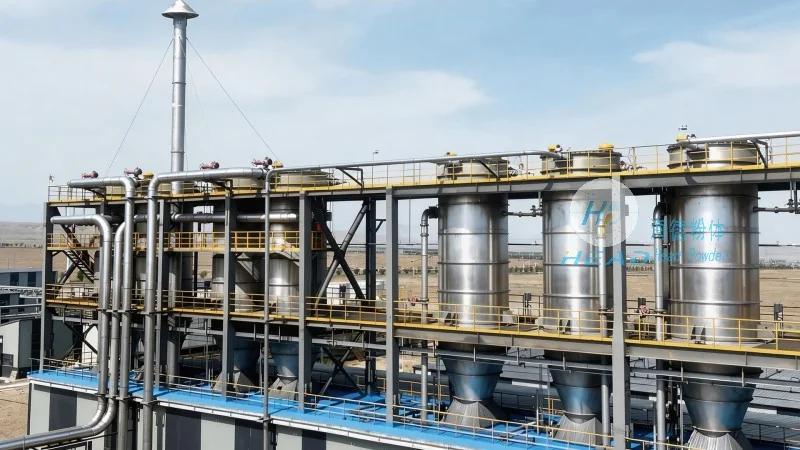
Silica fume, also known as microsilica, is a byproduct of silicon metal or ferrosilicon production. It consists of extremely fine particles, typically ranging from 0.1 to 0.2 micrometers in diameter, which makes it highly cohesive and prone to caking. These characteristics pose significant challenges during transportation, as traditional bulk material handling methods may not be suitable. Effective conveying systems must address issues such as particle segregation, dust generation, and equipment wear. Understanding these challenges is essential for choosing the most appropriate conveying method for silica fume applications.
1. Pneumatic Conveying Systems
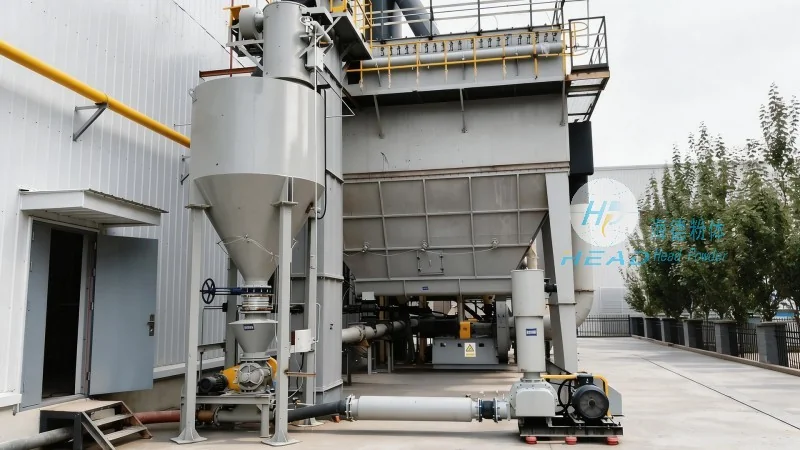
Pneumatic conveying is one of the most widely used methods for transporting silica fume. This technology uses air or other gases to move the material through a pipeline. There are two main types: pressure and vacuum systems. Pressure systems operate by blowing air or gas into a sealed pipeline, pushing the material forward. Vacuum systems, on the other hand, create a negative pressure to draw the material into the pipeline. Pneumatic conveying offers several advantages, including high capacity, ability to transport over long distances, and minimal equipment wear compared to mechanical systems. However, it requires careful control of air pressure and flow rates to prevent material blockages and ensure consistent performance. The system also needs to be designed to handle the abrasive nature of silica fume, often incorporating special materials for the pipeline and valves.
2. Mechanical Conveying Systems

Mechanical conveying systems rely on mechanical components to move silica fume, such as screw conveyors, belt conveyors, and bucket elevators. Screw conveyors use a rotating screw to push the material along a trough, while belt conveyors use a moving belt to transport the material horizontally or at an incline. Bucket elevators lift the material vertically using buckets attached to a chain or belt. Mechanical systems are generally more cost-effective for short-distance transport and are suitable for handling larger quantities of material. However, they may experience higher wear and tear due to the abrasive nature of silica fume, requiring regular maintenance and replacement of components. Additionally, mechanical systems are less flexible in terms of distance and layout compared to pneumatic systems, as they require physical connections between the equipment.
3. Hydraulic Conveying Systems
Hydraulic conveying systems use water or other liquids to transport silica fume. The material is mixed with water to form a slurry, which is then pumped through pipelines. This method is particularly effective for handling very fine or cohesive materials, as the liquid helps to prevent caking and maintain a consistent flow. Hydraulic systems are often used in applications where dust control is a priority, as the material is contained within the liquid. However, they have higher operating costs due to the need for water treatment and disposal, and the system requires additional equipment for slurry preparation and separation. The hydraulic method is also less suitable for long-distance transport, as the pressure drop in the pipeline can cause the slurry to settle and clog the system.
4. Air-Liquid Conveying Systems
Air-liquid conveying, also known as two-phase flow systems, combines pneumatic and hydraulic principles. In this method, silica fume is mixed with air and water to create a slurry that is transported through pipelines. This approach offers a balance between the efficiency of pneumatic systems and the handling capabilities of hydraulic systems. Air-liquid conveying can handle both fine and coarse particles, making it versatile for various applications. However, the system requires precise control of the air and liquid ratios to maintain optimal flow and prevent blockages. The equipment is more complex and expensive compared to traditional pneumatic or mechanical systems, which may limit its use in smaller-scale operations.
Key Factors in Choosing a Conveying Method
When selecting a silica fume conveying method, several factors must be considered to ensure optimal performance and cost-effectiveness. The first factor is the distance and layout of the transport route. Pneumatic systems are ideal for long-distance transport, while mechanical systems are better suited for short distances. The second factor is the material characteristics, including particle size, density, and abrasiveness. Silica fume's fine particles and abrasive nature make it challenging for mechanical systems, which may require additional protective measures. The third factor is the required capacity and flow rate. Larger production facilities may need higher-capacity systems, such as high-pressure pneumatic conveyors or large-bore mechanical conveyors. The fourth factor is the environmental and safety considerations. Dust control is critical in silica fume handling, and systems must comply with local regulations regarding emissions and noise. Finally, the initial cost and long-term maintenance costs should be evaluated to ensure the chosen method is economically viable.
Conclusion
In conclusion, the choice of silica fume conveying method depends on a combination of operational, technical, and economic factors. Pneumatic conveying is often preferred for its efficiency and ability to handle long distances, while mechanical systems are more cost-effective for short distances. Hydraulic and air-liquid systems offer alternatives for specific applications, particularly where dust control or handling of very fine particles is required. Ultimately, the most suitable method will vary based on the specific needs of the industrial facility. By carefully evaluating the factors mentioned above, manufacturers can select a conveying system that maximizes efficiency, minimizes costs, and ensures safe and reliable transport of silica fume.

 Shandong Headpowder Engineering Co., Ltd.
 156-6277-7102(Quản lý Trương)
  0531-83386006
  Thành phố Tế Nam, Tỉnh Sơn Đông, Trung Quốc
Điện thoại
WeChatTư vấn
Lên đầu