Chuyên sâu trong lĩnh vực vật liệu rời công nghiệp, cung cấp giải pháp môi trường thông minh tích hợp cho phối trộn tự động, cấp liệu tập trung, khử lưu huỳnh và khử nitơ khô!
For manufacturers in the lithium-ion battery industry, the efficient and safe transportation of raw materials is a critical aspect of production operations. Proper handling of raw materials such as lithium compounds, cobalt, nickel, and other key components ensures product quality and operational continuity. This article explores several effective methods for transporting lithium-ion battery raw materials, with a focus on practical applications and industry standards.
1. Bulk Material Handling Systems
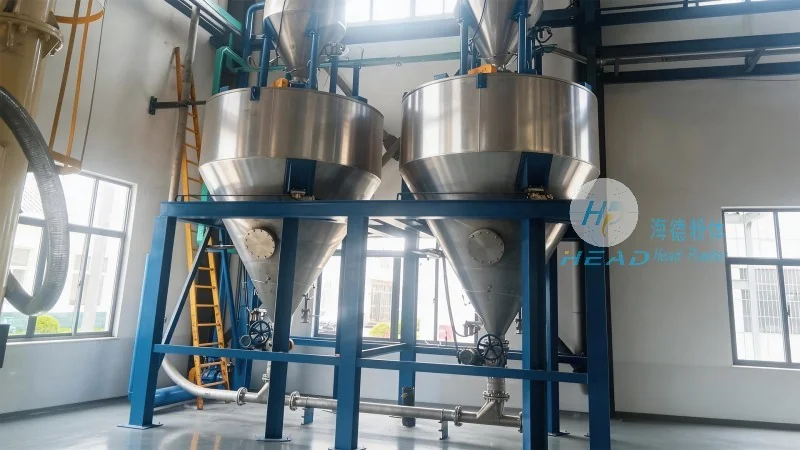
Bulk material handling systems are widely used for transporting large quantities of raw materials like lithium carbonate, lithium hydroxide, and metal powders. These systems typically include conveyors, elevators, and storage silos. Conveyors, such as belt conveyors or screw conveyors, are ideal for moving raw materials over short to medium distances within a factory. Elevators, including bucket elevators or chain conveyors, are used to lift materials vertically, often connecting different levels of a production facility. Storage silos are used to store raw materials in bulk, ensuring a steady supply and preventing material degradation. The use of bulk handling systems helps maintain material integrity and reduces the risk of contamination or spillage.
2. Pneumatic Conveying Systems

Pneumatic conveying systems utilize air pressure to transport raw materials through a network of pipes. This method is particularly effective for transporting fine powders and granules, such as lithium salts or metal oxides. There are two main types of pneumatic conveying: positive pressure and negative pressure. Positive pressure systems blow air into the conveying line, pushing the material forward, while negative pressure systems create a vacuum to draw material into the line. Pneumatic conveying offers advantages like minimal material degradation, low maintenance requirements, and the ability to transport materials over long distances without the need for multiple transfer points. However, it requires careful design to ensure consistent air flow and prevent blockages in the system.
3. Automated Guided Vehicles (AGVs) and Automated Storage and Retrieval Systems (AS/RS)
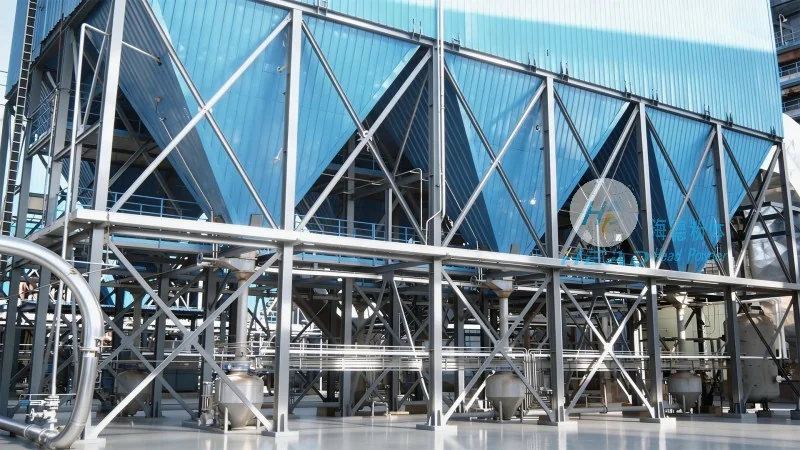
Automated material handling solutions, including AGVs and AS/RS, are increasingly used in lithium-ion battery manufacturing to transport raw materials and components. AGVs are self-guided vehicles equipped with sensors and software to navigate factory floors, transporting materials from storage areas to production lines. They can be programmed to follow specific routes and handle various loads, improving efficiency and reducing labor costs. AS/RS systems, on the other hand, are used for high-density storage and retrieval of raw materials, often in automated warehouses. These systems use robotic arms or cranes to pick and place materials from storage racks, ensuring quick access to raw materials when needed. The integration of AGVs and AS/RS with production lines helps streamline material flow and minimize downtime.
4. Manual and Semi-Automated Handling Methods
While automated systems are prevalent, manual and semi-automated handling methods still play a role in transporting lithium-ion battery raw materials, especially in smaller-scale operations or for specialized materials. Manual handling involves workers using equipment like forklifts, pallet jacks, or hand trucks to move raw materials between storage and production areas. This method provides flexibility but requires careful training to ensure safety and prevent accidents. Semi-automated methods may include the use of automated loading/unloading equipment, such as robotic arms for loading raw materials into containers or machines. These methods combine human oversight with automated processes, balancing efficiency and cost-effectiveness.
5. Environmental and Safety Considerations
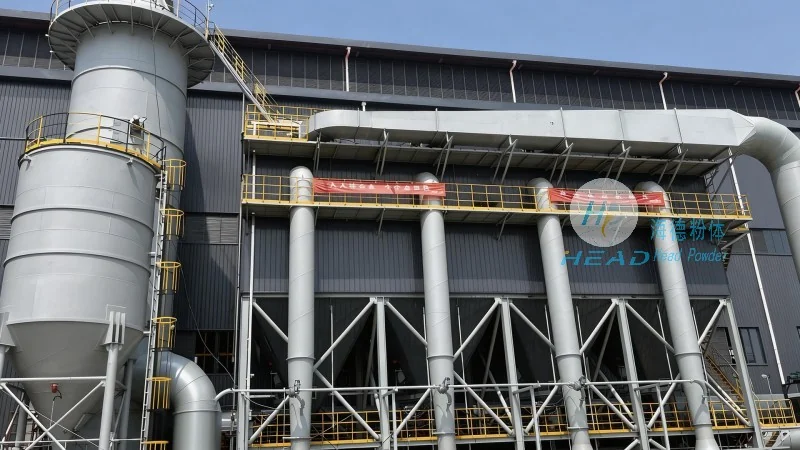
When selecting a transportation method for lithium-ion battery raw materials, environmental and safety considerations are paramount. Raw materials like lithium compounds can be hazardous if not handled properly, and proper ventilation, dust control, and personal protective equipment (PPE) are essential. Bulk handling systems should be equipped with dust suppression systems to prevent airborne contamination, while pneumatic conveying systems require filters to capture fine particles. Additionally, material handling equipment should be designed to minimize the risk of spills or leaks, as these can pose environmental and health hazards. Compliance with industry standards and regulations, such as those from OSHA or local environmental agencies, is crucial to ensure safe and responsible transportation practices.
6. Case Study: Shandong HeadPowder Engineering Co., Ltd.
Shandong HeadPowder Engineering Co., Ltd., a leading provider of engineering solutions for the lithium-ion battery industry, specializes in designing and implementing customized material handling systems. The company, commonly known as HeadPowder, has extensive experience in transporting raw materials for battery production. For example, one of their projects involved installing a bulk material handling system for a lithium carbonate processing plant, which included belt conveyors, storage silos, and pneumatic conveying lines. The system was designed to handle large volumes of lithium carbonate while maintaining material quality and safety. Another project involved integrating AGVs and AS/RS into a battery cell manufacturing facility, improving material flow and reducing labor costs. HeadPowder's expertise in material handling ensures that their clients can optimize their production processes and meet industry standards for raw material transportation.

 Shandong Headpowder Engineering Co., Ltd.
 156-6277-7102(Quản lý Trương)
  0531-83386006
  Thành phố Tế Nam, Tỉnh Sơn Đông, Trung Quốc
Điện thoại
WeChatTư vấn
Lên đầu