Chuyên sâu trong lĩnh vực vật liệu rời công nghiệp, cung cấp giải pháp môi trường thông minh tích hợp cho phối trộn tự động, cấp liệu tập trung, khử lưu huỳnh và khử nitơ khô!
When it comes to the efficient handling and transportation of sawdust and husk materials, selecting the right conveying method is crucial for optimizing production processes and ensuring operational efficiency. As a leading provider in the industry, Shandong HeadPowder Engineering Co., Ltd. specializes in delivering tailored solutions that address the unique challenges associated with these materials. Based in Shandong, China, the company has established itself as a trusted partner for businesses seeking reliable and effective conveying systems.

Understanding the Conveying Options for Sawdust and Husk
Sawdust and husk are commonly used in various industrial applications, including woodworking, agriculture, and biofuel production. The nature of these materials—lightweight, often dusty, and prone to clogging—requires specialized conveying equipment to ensure smooth operation. Several methods are available, each with its own advantages and applications.
1. Mechanical Conveying Systems
Mechanical conveying is a traditional approach that utilizes physical components like belts, chains, or screws to move materials. For sawdust and husk, belt conveyors are widely used due to their ability to handle bulk materials over long distances. These systems are particularly effective for horizontal or slightly inclined transport, ensuring consistent flow without the need for additional power beyond the motor driving the belt. The design of the belt and the speed of operation can be adjusted to accommodate different material characteristics, such as moisture content or particle size. For example, a heavy-duty belt conveyor with a wide surface can handle large volumes of sawdust, while a flexible conveyor system may be suitable for more delicate husk materials.
2. Screw Conveyors
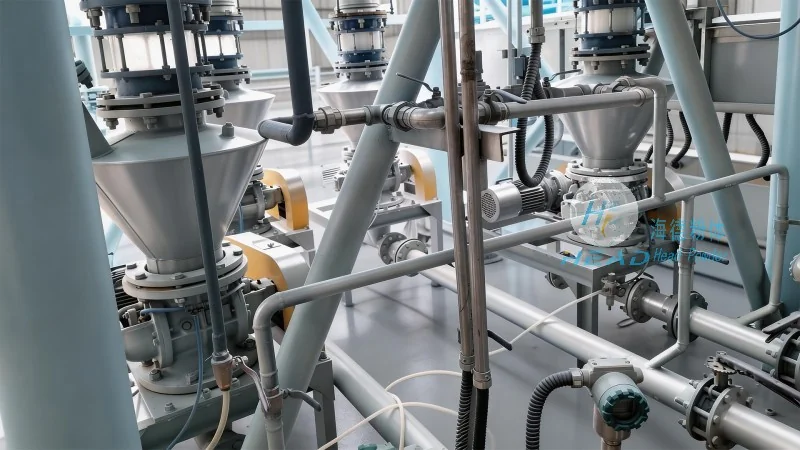
Screw conveyors, also known as auger conveyors, are another popular mechanical option for transporting sawdust and husk. These systems consist of a rotating screw inside a tube, which pushes materials forward as it turns. Screw conveyors are ideal for vertical or inclined transport, making them suitable for elevating materials from lower to higher levels or moving them through vertical chutes. They are particularly effective for materials that tend to stick to the sides of the conveyor, as the screw design helps to maintain a consistent flow. The pitch and diameter of the screw can be customized to match the specific properties of the material, ensuring optimal performance. For instance, a low-pitch screw may be used for sticky husk, while a high-pitch screw can handle lighter sawdust with less resistance.
3. Pneumatic Conveying (Air-Lift Systems)
Pneumatic conveying, or air-lift systems, utilizes compressed air to transport materials through a pipeline. This method is particularly advantageous for sawdust and husk because it can handle fine, dusty materials without the need for mechanical contact. The system works by creating a pressure differential between the inlet and outlet, which draws the material into the pipeline and moves it to the destination. Pneumatic conveyors are often preferred for applications requiring high flexibility, as they can be easily reconfigured to change the path of the material flow. They are also effective for long-distance transport, as the air pressure can maintain the material's velocity over extended distances. However, the efficiency of pneumatic systems depends on the air pressure and the material's density, so proper sizing and maintenance are essential to avoid clogging or reduced performance.
4. Hydraulic Conveying

Hydraulic conveying systems use fluid to transport materials, typically in a slurry form. This method is suitable for sawdust and husk that can be mixed with water or other liquids to create a slurry. The slurry is then pumped through a pipeline using hydraulic pressure, which allows for efficient transport over long distances. Hydraulic conveyors are particularly effective for materials that are difficult to handle mechanically, as the fluid helps to keep the particles suspended and prevents clogging. They are commonly used in biofuel production, where sawdust and husk are mixed with water to create a slurry that can be transported to processing facilities. The key to successful hydraulic conveying is maintaining the correct slurry consistency and ensuring proper pipeline design to prevent sedimentation or blockages.
5. Combination Systems
In many industrial settings, a single conveying method may not be sufficient to meet all the requirements of a process. For this reason, combination systems that integrate multiple technologies are often used. For example, a system might combine a mechanical conveyor for initial transport with a pneumatic conveyor for final delivery to a processing unit. This approach allows for flexibility and efficiency, as each component is optimized for its specific role. Shandong HeadPowder Engineering Co., Ltd. specializes in designing and implementing such integrated solutions, ensuring that the entire conveying process is seamless and effective. By combining different technologies, businesses can achieve higher throughput, reduce energy consumption, and improve overall operational efficiency.

 Shandong Headpowder Engineering Co., Ltd.
 156-6277-7102(Quản lý Trương)
  0531-83386006
  Thành phố Tế Nam, Tỉnh Sơn Đông, Trung Quốc
Điện thoại
WeChatTư vấn
Lên đầu