Chuyên sâu trong lĩnh vực vật liệu rời công nghiệp, cung cấp giải pháp môi trường thông minh tích hợp cho phối trộn tự động, cấp liệu tập trung, khử lưu huỳnh và khử nitơ khô!
Stearic acid sodium, a versatile chemical widely utilized in industries ranging from cosmetics to food processing, requires efficient and reliable transport methods to support smooth production workflows. The selection of an appropriate transport system depends on several critical factors, including the scale of operation, the physical characteristics of the material, and the specific demands of the end-use applications. In this article, we explore the common methods used for transporting stearic acid sodium, emphasizing the considerations and practical implementations in industrial settings.
Key Factors Influencing Transport Method Selection
Before discussing specific transport techniques, it is essential to understand the key factors that guide the choice of a transport system. Stearic acid sodium typically exists as a solid or semi-solid at room temperature, which impacts its handling and transport properties. Its density, flowability, and tendency to adhere to surfaces or form lumps are crucial considerations. Additionally, the need for strict contamination control, especially in applications where the material is used in food, pharmaceutical, or high-purity industries, is paramount. These factors influence the design of the transport system to ensure safety, efficiency, and compliance with industry standards. The goal is to maintain the material's integrity while minimizing operational risks and costs.
Pipeline Transport Systems
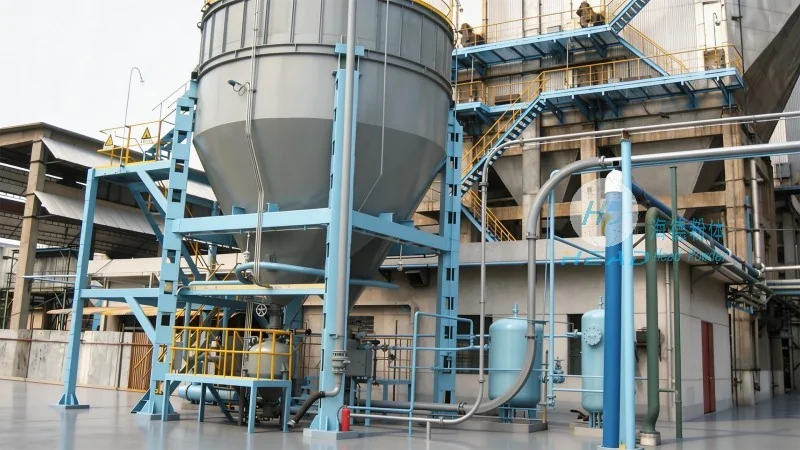
Pipeline transport is a common and effective method for moving stearic acid sodium, particularly in large-scale industrial operations. This approach involves conveying the material through a network of pipes using pressure or vacuum. Given stearic acid sodium's semi-solid nature, specialized equipment such as screw conveyors or auger pumps is often used to prevent clogging and ensure consistent flow. The pipeline system can be seamlessly integrated with storage tanks and processing units, creating a continuous flow from storage to production. This method minimizes manual handling and reduces the risk of contamination, making it ideal for high-volume applications. Companies like Shandong HeadPowder Engineering Co., Ltd. specialize in designing and implementing such pipeline systems tailored to the unique requirements of their clients, ensuring reliable and efficient transport of stearic acid sodium.
Pump and Pressure Systems
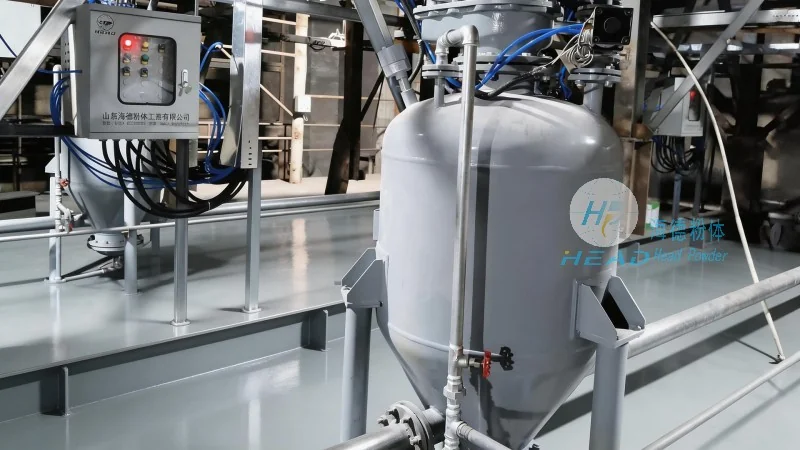
For applications requiring precise control over flow rate and pressure, pump systems are often employed. Positive displacement pumps, such as rotary lobe or gear pumps, are commonly used for stearic acid sodium due to their ability to handle viscous and semi-solid materials. These pumps maintain a constant flow rate regardless of changes in pressure, ensuring stable transport. In some cases, pneumatic conveying systems are utilized, where the material is transported in a stream of air or other gas. This method is particularly useful for transporting fine powders or granules of stearic acid sodium, as it allows for gentle handling and reduces the risk of material degradation. The choice between positive displacement pumps and pneumatic systems depends on the specific properties of the material and the operational requirements of the facility. Advanced control systems can be integrated to monitor flow rates, pressure, and temperature, enhancing the reliability and performance of the transport process.
Storage and Handling Equipment

Efficient transport of stearic acid sodium also relies on proper storage and handling equipment. Bulk storage silos or hoppers are often used to store the material before it is transported to the processing area. These containers are designed to minimize material degradation and prevent contamination, with features like airtight seals and corrosion-resistant liners. Material handling equipment such as bucket elevators or belt conveyors may be used to move the material from storage to the transport system. These systems ensure safe and efficient transfer, reducing the risk of spills or accidents. The design of the storage and handling equipment is critical to maintaining the quality of stearic acid sodium, especially in applications where purity is a key requirement.
Specialized Transport Solutions
In specialized applications, such as those involving high-purity stearic acid sodium for pharmaceutical or food use, specialized transport solutions are required. These may include closed-loop systems with inert gas purging to prevent oxidation or contamination. The use of stainless steel or other corrosion-resistant materials in the transport equipment is also common to maintain the purity of the material. Automated control systems can be integrated into the transport process to monitor flow rates, pressure, and temperature, ensuring optimal performance and safety. These specialized solutions are tailored to meet the stringent requirements of high-value applications, providing reliable and consistent transport of the material. Shandong HeadPowder Engineering Co., Ltd. offers customized solutions that address the unique challenges of transporting stearic acid sodium in such demanding environments.
Conclusion
In conclusion, the transport of stearic acid sodium involves a range of methods, each with its own advantages and considerations. The choice of method depends on the specific needs of the industrial operation, including the scale of production, the properties of the material, and the end-use requirements. By carefully evaluating these factors and selecting the appropriate transport system, industries can ensure efficient and safe handling of stearic acid sodium. The integration of advanced equipment and control systems further enhances the reliability and performance of the transport process, supporting the smooth operation of production lines and meeting the demands of various applications. Companies like Shandong HeadPowder Engineering Co., Ltd. play a vital role in providing tailored transport solutions that meet the evolving needs of the industry.

 Shandong Headpowder Engineering Co., Ltd.
 156-6277-7102(Quản lý Trương)
  0531-83386006
  Thành phố Tế Nam, Tỉnh Sơn Đông, Trung Quốc
Điện thoại
WeChatTư vấn
Lên đầu