Chuyên sâu trong lĩnh vực vật liệu rời công nghiệp, cung cấp giải pháp môi trường thông minh tích hợp cho phối trộn tự động, cấp liệu tập trung, khử lưu huỳnh và khử nitơ khô!
When it comes to the efficient and reliable transport of alloy powders, selecting the right conveying method is crucial for maintaining product quality and operational efficiency. At Shandong HeadPowder Engineering Co., Ltd., we understand the unique challenges associated with handling these materials, which often require specialized equipment to prevent contamination, degradation, or loss of material. This article explores the various methods available for alloy powder conveyance, providing insights into their applications and benefits.

Understanding the Importance of Proper Alloy Powder Conveying
Alloy powders are widely used in industries such as aerospace, automotive, and additive manufacturing due to their ability to create complex and high-performance components. However, their fine particle size and potential reactivity make conventional conveying methods unsuitable in many cases. Proper handling is essential to preserve the powder's properties, ensuring that the final product meets stringent quality standards. The choice of conveying system directly impacts production throughput, material recovery rates, and overall operational costs. Therefore, understanding the characteristics of alloy powders and the capabilities of different conveying technologies is critical for optimizing manufacturing processes.
Common Methods for Alloy Powder Conveying
Several methods are commonly employed for transporting alloy powders, each with its own advantages and limitations. The selection of a specific method depends on factors like powder properties, required capacity, distance, and environmental considerations. Here are some of the most widely used techniques:
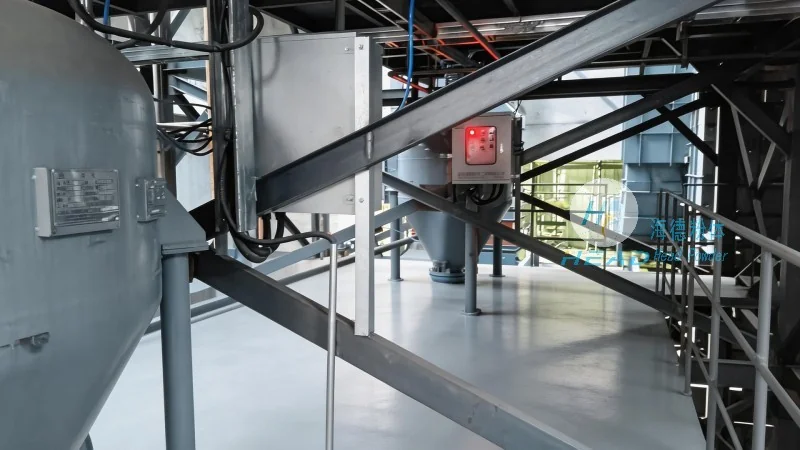
A. Air-Pressure Conveying (Pneumatic Conveying)
Air-pressure conveying, or pneumatic conveying, is one of the most versatile methods for transporting alloy powders. This technique uses compressed air to move powders through a pipeline system. There are two main types: pressure and vacuum systems. Pressure systems are ideal for short to medium distances and high-volume applications, as they can handle larger particle sizes and provide consistent flow rates. Vacuum systems, on the other hand, are better suited for longer distances or when the material needs to be collected from multiple sources. Pneumatic conveying offers advantages such as minimal product degradation, easy integration with existing systems, and the ability to transport powders in a closed loop, reducing dust emissions and contamination risks. However, it requires careful design to prevent pressure drops and ensure consistent air flow, which can impact system efficiency.
B. Screw Conveyors
Screw conveyors are another popular choice for alloy powder transport, particularly in applications where the material needs to be moved horizontally or at a slight incline. These systems consist of a rotating screw (or auger) inside a trough, which pushes the powder forward. Screw conveyors are known for their simplicity, low maintenance, and ability to handle a wide range of powder types, including those with high moisture content or sticky properties. They are particularly effective for short to medium distances and moderate capacities. However, they may not be suitable for very fine powders or those that are prone to caking, as the screw can cause excessive friction and heat buildup. Proper material selection for the screw and trough is essential to prevent wear and ensure long-term performance.
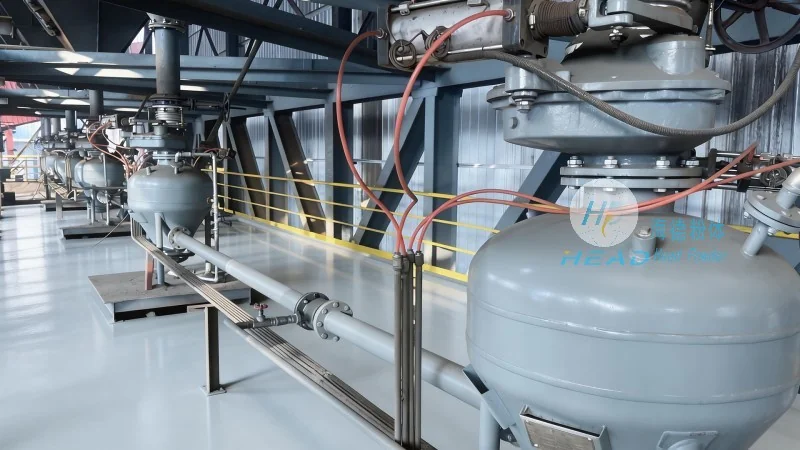
C. Vibratory Conveyors
Vibratory conveyors use vibrations to move alloy powders along a trough. The system typically consists of a trough supported by springs or a vibrating motor, which causes the material to move by a combination of gravity and vibration. This method is well-suited for handling powders that are prone to bridging or caking, as the vibrations help break up agglomerates and ensure smooth flow. Vibratory conveyors are also effective for inclined or horizontal transport and can handle a wide range of particle sizes. They offer advantages such as low power consumption, minimal maintenance, and the ability to transport materials at a controlled speed. However, they may not be suitable for very fine powders or those that are highly abrasive, as the vibrations can cause wear on the trough and other components over time.
D. Bucket Elevators
Bucket elevators are a type of vertical conveyor system that uses buckets attached to a chain or belt to transport alloy powders. The buckets are filled with powder at the bottom and then lifted vertically, releasing the material at the top. This method is ideal for vertical transport over long distances and is commonly used in applications where the material needs to be elevated to a higher level, such as in storage silos or processing lines. Bucket elevators offer high capacity and can handle a wide range of powder types, including those with high moisture content or sticky properties. They are also relatively simple to install and maintain. However, they require careful design to prevent material spillage and ensure proper bucket filling, as uneven loading can lead to inefficiencies and wear on the system.
E. Hydraulic Conveying
Hydraulic conveying, or slurry transport, involves mixing alloy powders with a liquid (such as water or oil) to create a slurry, which is then pumped through a pipeline. This method is particularly effective for transporting large quantities of powder over long distances, especially in applications where the material is difficult to handle dry. Hydraulic conveying offers advantages such as high capacity, low energy consumption, and the ability to transport materials in a closed loop, reducing dust emissions. However, it requires additional equipment for slurry preparation and separation, which can increase operational costs. The choice of liquid and its properties (e.g., viscosity, density) must be carefully considered to ensure proper flow and prevent clogging or corrosion of the pipeline.
Choosing the Right Conveying System for Your Needs
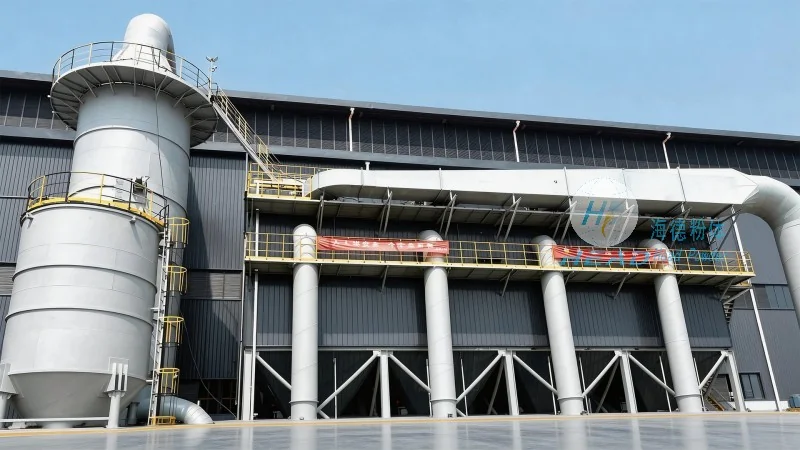
When selecting a conveying system for alloy powders, it is essential to consider several factors to ensure optimal performance and cost-effectiveness. First, the physical properties of the powder, such as particle size, density, moisture content, and flowability, must be evaluated. Powders with high moisture content or sticky properties may require specialized equipment to prevent caking or blockages. Second, the required capacity and distance of transport must be determined. For short distances and moderate capacities, a screw conveyor or vibratory conveyor may be sufficient. For longer distances or high capacities, pneumatic or hydraulic systems may be more appropriate. Third, environmental and safety considerations are critical. Closed-loop systems are preferred to minimize dust emissions and prevent contamination. Additionally, the system should be designed to comply with relevant regulations and standards for material handling and occupational safety.
Conclusion
Efficient and reliable alloy powder conveyance is a critical component of modern manufacturing processes. By understanding the various conveying methods and their applications, manufacturers can select the most suitable system for their specific needs. At Shandong HeadPowder Engineering Co., Ltd., we specialize in providing customized conveying solutions tailored to the unique requirements of alloy powders. Our expertise in material handling and engineering ensures that our systems are designed to maximize productivity, minimize downtime, and maintain the highest standards of product quality. Whether you need a pneumatic system, screw conveyor, or any other type of conveying equipment, we are committed to delivering solutions that meet your operational and quality goals. Contact us today to learn more about how our conveying systems can enhance your manufacturing processes.

 Shandong Headpowder Engineering Co., Ltd.
 156-6277-7102(Quản lý Trương)
  0531-83386006
  Thành phố Tế Nam, Tỉnh Sơn Đông, Trung Quốc
Điện thoại
WeChatTư vấn
Lên đầu