Chuyên sâu trong lĩnh vực vật liệu rời công nghiệp, cung cấp giải pháp môi trường thông minh tích hợp cho phối trộn tự động, cấp liệu tập trung, khử lưu huỳnh và khử nitơ khô!
When it comes to processing sesame, efficient and reliable conveying systems are essential for maintaining product quality and operational efficiency. Sesame, a versatile and nutritious seed, requires specialized handling from the moment it is harvested until it reaches the final processing stage. The choice of conveying method can significantly impact the overall performance of a sesame processing plant, affecting factors such as material flow, contamination control, and energy consumption. In this article, we explore the various methods used for sesame conveying, highlighting the options available and the considerations that should be taken into account when selecting the right system for your operation.
Company Overview: Shandong HeadPowder Engineering Co., Ltd.
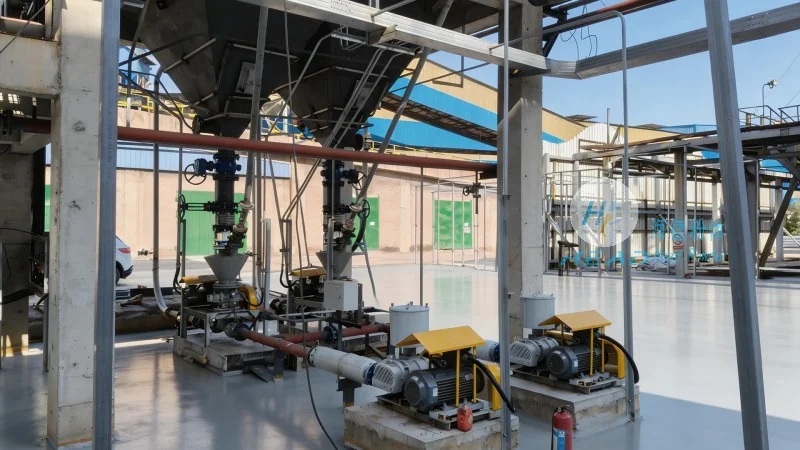
HeadPowder, a leading manufacturer in the field of industrial processing equipment, specializes in providing tailored solutions for the food processing industry. With a strong commitment to quality and innovation, the company has established itself as a trusted partner for businesses seeking efficient and hygienic conveying systems. HeadPowder's expertise lies in designing and manufacturing equipment that meets the stringent requirements of sesame processing, ensuring that every product is handled with care and precision. Based in Shandong, China, HeadPowder leverages local manufacturing capabilities and global market insights to deliver high-performance conveying solutions that enhance productivity and safety in sesame processing facilities.
Common Conveying Techniques for Sesame Processing
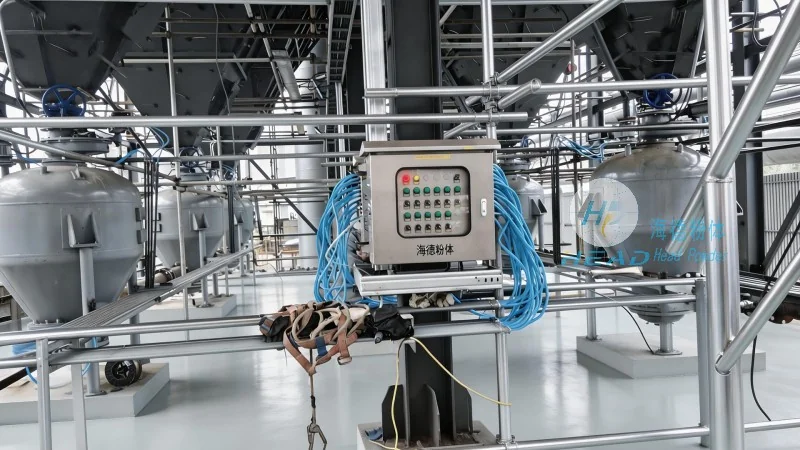
Several methods are commonly employed for sesame conveying, each with its own advantages and applications. The selection of a conveying system depends on factors such as the scale of production, the type of sesame (whole or ground), and the specific processing steps involved. Below are some of the most widely used techniques in sesame handling:
Mechanical Conveying Systems
Mechanical conveyors are among the most traditional and widely used methods for transporting sesame. These systems utilize mechanical components like belts, chains, or screws to move the material from one point to another. One of the most common types is the belt conveyor, which consists of a continuous loop of material supported by rollers. Belt conveyors are ideal for transporting whole sesame seeds over short to medium distances, providing a stable and consistent flow. They are often used in the initial stages of processing, such as moving raw sesame from storage bins to cleaning equipment. The design of belt conveyors can be customized to accommodate different seed sizes and shapes, ensuring minimal damage to the sesame during transport. Additionally, mechanical conveyors can be equipped with features like inclines and declines, allowing for vertical and horizontal movement of the material. This flexibility makes them suitable for various processing layouts, including those with multiple processing stages.
Pneumatic Conveying Solutions
Pneumatic conveying systems use air or gas to transport sesame particles through a pipeline. This method is particularly effective for handling fine or powdery sesame products, such as ground sesame or sesame meal. Pneumatic conveyors operate by creating a pressure differential, which draws the material into the pipeline and transports it to the destination. There are two main types of pneumatic conveying: pressure and vacuum systems. Pressure systems use compressed air to push the material through the pipeline, while vacuum systems use a vacuum to pull the material. The choice between these systems depends on the distance and the amount of material to be transported. Pneumatic conveying offers several advantages, including the ability to transport material over long distances, the elimination of mechanical parts that come into direct contact with the product, and the reduction of contamination risks. However, it requires careful design to ensure efficient air flow and prevent material buildup or blockages in the pipeline. Proper maintenance and cleaning are essential to maintain the performance and hygiene of pneumatic systems.

Belt Conveyors in Sesame Handling
Belt conveyors, as mentioned earlier, are a type of mechanical conveyor that uses a continuous belt to move sesame. They are commonly used in sesame processing for tasks such as sorting, cleaning, and packaging. The belts can be made from various materials, including rubber or PVC, which are chosen based on the specific requirements of the operation. For example, a smooth belt may be used for transporting whole sesame seeds, while a textured or perforated belt may be used for cleaning or sorting purposes. The speed of the belt can be adjusted to control the flow rate of the material, ensuring that the processing line operates at an optimal pace. Belt conveyors are also available in different widths and lengths, allowing for customization to fit the space constraints of a processing facility. Some models are equipped with sensors and controls that monitor the flow and adjust the speed automatically, enhancing operational efficiency and reducing the risk of overloading or underloading.
Hygienic and Customized Conveying Equipment

For sesame processing, where hygiene is a critical factor, specialized conveying equipment is often required. HeadPowder offers a range of hygienic conveying solutions designed to meet the strict standards of the food industry. These systems are constructed from materials such as stainless steel, which is resistant to corrosion and easy to clean. The design of hygienic conveyors includes smooth surfaces, rounded corners, and minimal dead zones to prevent the accumulation of product or contaminants. Additionally, some models feature enclosed systems that prevent dust and particles from escaping into the environment, ensuring a clean and safe working environment. Customization is another key aspect of HeadPowder's conveying solutions. The company works closely with clients to understand their specific needs and design equipment that fits their processing requirements. This may include integrating conveyors with other processing equipment, such as cleaning machines or packaging lines, to create a seamless workflow. Customized conveying systems can improve efficiency by reducing the number of handling steps and minimizing the risk of product loss or damage.
Conclusion and Contact Information
Choosing the right conveying method for sesame processing is a crucial decision that impacts the overall performance and profitability of a processing operation. Whether you opt for mechanical conveyors, pneumatic systems, or customized hygienic solutions, it is essential to consider factors such as material characteristics, processing scale, and hygiene requirements. HeadPowder, with its expertise and commitment to quality, provides reliable and efficient conveying solutions tailored to the needs of sesame processors. By selecting the appropriate conveying system, businesses can enhance productivity, maintain product quality, and ensure compliance with industry standards. For more information about HeadPowder's conveying equipment and services, please contact our team at Shandong HeadPowder Engineering Co., Ltd., located in Shandong, China.

 Shandong Headpowder Engineering Co., Ltd.
 156-6277-7102(Quản lý Trương)
  0531-83386006
  Thành phố Tế Nam, Tỉnh Sơn Đông, Trung Quốc
Điện thoại
WeChatTư vấn
Lên đầu