Chuyên sâu trong lĩnh vực vật liệu rời công nghiệp, cung cấp giải pháp môi trường thông minh tích hợp cho phối trộn tự động, cấp liệu tập trung, khử lưu huỳnh và khử nitơ khô!
Light calcium carbonate, also known as precipitated calcium carbonate (PCC), is a widely used industrial material in various sectors such as papermaking, plastics, and coatings. The efficient and reliable conveying of this material is crucial for maintaining production efficiency and ensuring product quality. As a leading provider in the field, Shandong HeadPowder Engineering Co., Ltd. offers professional insights into the methods used for light calcium carbonate conveying, tailored to meet the diverse needs of different industrial applications.

Understanding Light Calcium Carbonate and Its Conveying Requirements
Before delving into the specific methods, it is essential to understand the characteristics of light calcium carbonate that influence its handling. Light calcium carbonate is typically in a fine powder form, with particle sizes ranging from a few microns to several hundred microns. This fine particle size makes it prone to dust generation and requires specialized equipment to handle without causing blockages or material loss. The material's density and flow properties also play a role in selecting the most suitable conveying method. For instance, light calcium carbonate has a relatively low bulk density compared to other powders, which can affect the efficiency of certain conveying systems.
Common Conveying Methods for Light Calcium Carbonate

Several methods are commonly employed for the conveying of light calcium carbonate, each with its own advantages and limitations. The choice of method often depends on factors such as the distance of the conveying, the volume of material to be transported, the required flow rate, and the specific application requirements. Here are some of the primary methods used in industrial settings:
Air Conveying Systems
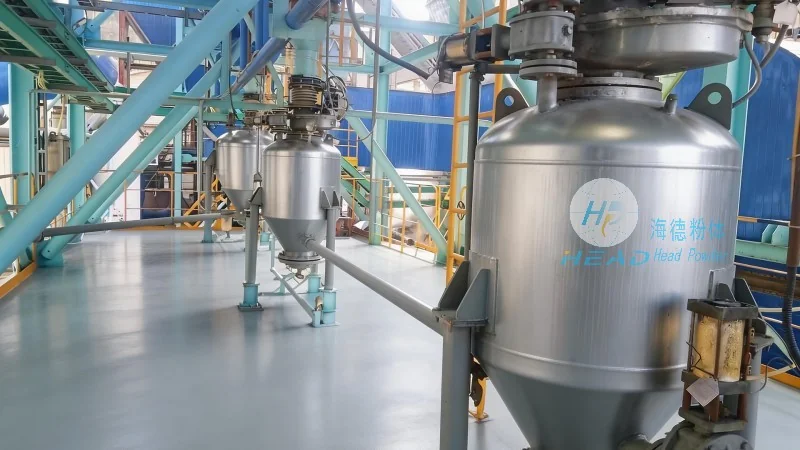
Air conveying, also known as pneumatic conveying, is one of the most popular methods for light calcium carbonate transport. This system uses compressed air to move the powder through a pipeline. There are two main types of air conveying: pressure and vacuum. Pressure systems push the material through the pipeline using positive pressure, while vacuum systems draw the material in using negative pressure. Air conveying is particularly effective for long-distance transport and can handle large volumes of material efficiently. However, it requires careful control of air pressure and flow to prevent material degradation or system blockages. The system typically includes components such as a hopper, a feeder, a compressor, and a pipeline network. The feeder ensures a consistent flow of material into the system, while the compressor provides the necessary air pressure. The pipeline is designed to minimize friction and maintain the material's flow characteristics. Air conveying is widely used in the paper and plastic industries due to its ability to handle fine powders without the need for mechanical components that might cause wear or contamination.
Pneumatic Conveying with Specialized Equipment

For more complex or high-volume applications, specialized pneumatic conveying equipment may be employed. These systems often include features such as rotary valves, cyclone separators, and dust collectors to enhance efficiency and control. Rotary valves are used to control the flow of material from the hopper into the conveying line, ensuring a consistent and controlled feed. Cyclone separators are used to separate the conveyed material from the air stream, allowing the material to be collected in a hopper or storage bin. Dust collectors are essential for maintaining air quality and complying with environmental regulations. These components work together to create a closed-loop system that minimizes material loss and maximizes efficiency. The use of specialized equipment allows for better control over the conveying process, reducing the risk of system failures and improving overall productivity.
Mechanical Conveying Methods
While air conveying is prevalent, mechanical conveying methods are also used for light calcium carbonate transport, especially for shorter distances or when the material needs to be handled in a closed environment. Mechanical conveyors include belt conveyors, screw conveyors, and bucket elevators. Belt conveyors use a continuous belt to move the material along a path, suitable for horizontal or slight incline transport. Screw conveyors use a rotating screw to push the material forward, ideal for vertical or inclined transport. Bucket elevators use a series of buckets attached to a chain or belt to lift the material vertically. These mechanical systems are generally more cost-effective for shorter distances and can handle larger particle sizes compared to air conveying. However, they may require more maintenance and are less suitable for fine powders that are prone to dust generation. Mechanical conveyors are commonly used in the food and pharmaceutical industries where air contamination is a concern.
Hybrid Conveying Systems
In some cases, a combination of air and mechanical conveying methods, known as hybrid systems, may be used to achieve optimal results. For example, a pneumatic system may be used to transport the material from a storage silo to a processing plant, while a mechanical conveyor is used to move the material within the plant. This approach allows for the benefits of both systems to be utilized, such as the efficiency of air conveying for long-distance transport and the reliability of mechanical conveyors for short-distance handling. Hybrid systems are often used in large-scale industrial facilities where different sections of the plant require different conveying methods. The integration of these systems requires careful planning and coordination to ensure smooth operation and minimal downtime.
Factors to Consider When Choosing a Conveying Method
When selecting a conveying method for light calcium carbonate, several factors must be considered to ensure the most effective and efficient solution. The first factor is the distance of the conveying. For short distances, mechanical conveyors may be sufficient, while for long distances, air conveying is more practical. The second factor is the volume of material to be transported. High-volume applications may require larger systems, such as multiple pneumatic lines or larger mechanical conveyors. The third factor is the required flow rate. Some applications may need a constant flow rate, while others may have varying demand. The fourth factor is the specific application requirements. For example, in the paper industry, the material may need to be conveyed in a closed system to prevent contamination, while in the plastic industry, the material may need to be handled in a dry environment to avoid moisture absorption. Additionally, the cost of the system, maintenance requirements, and environmental regulations must be considered. Shandong HeadPowder Engineering Co., Ltd. provides expert consultation to help clients evaluate these factors and choose the most suitable conveying method for their specific needs.
Conclusion
Efficient conveying of light calcium carbonate is essential for maintaining production efficiency and ensuring product quality in various industrial applications. Shandong HeadPowder Engineering Co., Ltd. offers a range of conveying methods, including air conveying, mechanical conveying, and hybrid systems, tailored to meet the diverse needs of different industries. By considering factors such as distance, volume, flow rate, and application requirements, clients can select the most suitable method to optimize their production processes. With our professional expertise and advanced equipment, we help clients achieve reliable and efficient light calcium carbonate conveying, contributing to their overall success in the market.

 Shandong Headpowder Engineering Co., Ltd.
 156-6277-7102(Quản lý Trương)
  0531-83386006
  Thành phố Tế Nam, Tỉnh Sơn Đông, Trung Quốc
Điện thoại
WeChatTư vấn
Lên đầu