Chuyên sâu trong lĩnh vực vật liệu rời công nghiệp, cung cấp giải pháp môi trường thông minh tích hợp cho phối trộn tự động, cấp liệu tập trung, khử lưu huỳnh và khử nitơ khô!
When it comes to the efficient transportation of steel grit, selecting the right method is crucial for maintaining productivity and ensuring the longevity of equipment. Various options are available, each with its own set of advantages and considerations. This article explores the primary methods used for steel grit conveyance, providing insights into how different approaches can meet the specific needs of industrial applications.
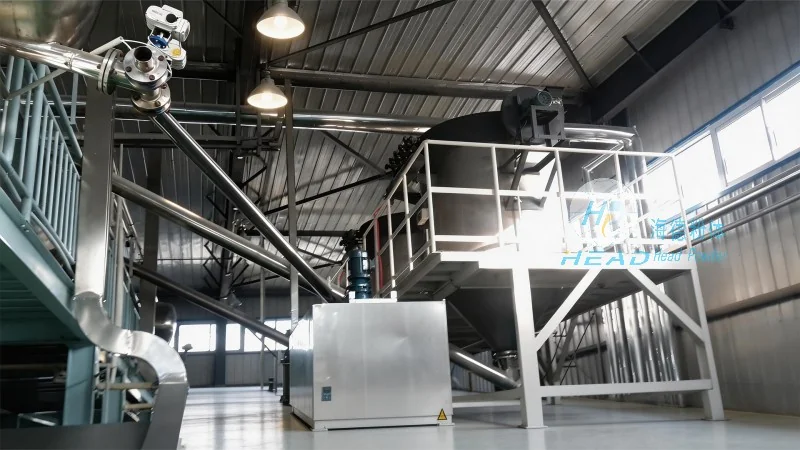
Gravity Conveying Systems
Gravity conveying relies on the natural force of gravity to move steel grit from one point to another. This method is often employed in horizontal or slightly inclined applications where the material can flow freely under its own weight. The system typically consists of a sloped conveyor or chute that allows the grit to move without the need for external power. For example, in a foundry or grinding operation, steel grit may be collected at a lower level and allowed to flow down a gravity chute to a storage or processing area. The simplicity of gravity conveyors makes them an attractive option for short-distance transport where the material is not overly abrasive or where the layout of the facility allows for a natural slope. However, their effectiveness is limited by the need for a consistent slope and the ability of the grit to maintain a stable flow, which can be affected by the size and density of the particles.

Mechanical Conveying: Belt and Screw Conveyors
Mechanical conveyors, such as belt and screw conveyors, are widely used in steel grit handling due to their reliability and ability to handle a variety of particle sizes. Belt conveyors use a continuous belt looped over rollers to transport the grit horizontally or at a slight incline. This method is effective for moving large volumes of material over moderate distances. The belt can be made of durable materials like rubber or polyurethane to withstand the abrasive nature of steel grit, reducing wear and extending the life of the conveyor. Screw conveyors, on the other hand, utilize a rotating screw or auger to push the grit forward. They are particularly useful for vertical or inclined transport, as the screw can lift and move the material against gravity. Both types of mechanical conveyors are commonly used in industrial settings, such as in the manufacturing of abrasive products or in metalworking facilities. They offer consistent performance and can be integrated with other processing equipment, making them a versatile choice for steel grit transportation.
Air-Pressure Conveying: Pneumatic Systems

Pneumatic conveying systems use air pressure to transport steel grit through a pipeline. This method is ideal for applications requiring high-speed transport over longer distances or where the material needs to be handled in a closed system to prevent dust contamination. There are two main types of pneumatic conveyors: positive displacement and suction. Positive displacement systems use a pump to force air and grit through the pipe, ensuring a consistent flow rate. Suction systems, on the other hand, use a vacuum to draw the material into the pipeline. The choice between the two depends on factors such as the distance to be covered, the volume of material, and the need for dust control. Pneumatic conveyors are particularly effective for handling fine or abrasive steel grit, as they can minimize material degradation and prevent the buildup of dust in the system. However, they require more maintenance than other methods, as the air compressor and filtration systems need regular checks to ensure optimal performance.
Hybrid and Specialized Conveying Solutions
In some cases, a combination of the above methods or specialized equipment may be required to address unique challenges in steel grit transportation. For example, a hybrid system might use a screw conveyor to lift the grit to a certain height and then switch to a pneumatic system for the final transport to a processing unit. Specialized conveyors, such as vibratory conveyors, use vibration to move the material along a trough. This method is effective for handling sticky or cohesive steel grit, as the vibration helps to break up clumps and maintain a smooth flow. Vibratory conveyors are often used in applications where the material needs to be mixed or blended before further processing. Another specialized option is the use of magnetic conveyors, which incorporate magnets to separate ferromagnetic particles from the steel grit stream. This is particularly useful in recycling operations where the goal is to recover valuable metal components from the grit. Hybrid and specialized solutions provide flexibility and can be tailored to the specific requirements of a facility, ensuring efficient and reliable steel grit transportation.
Choosing the Right Conveying Method for Your Needs
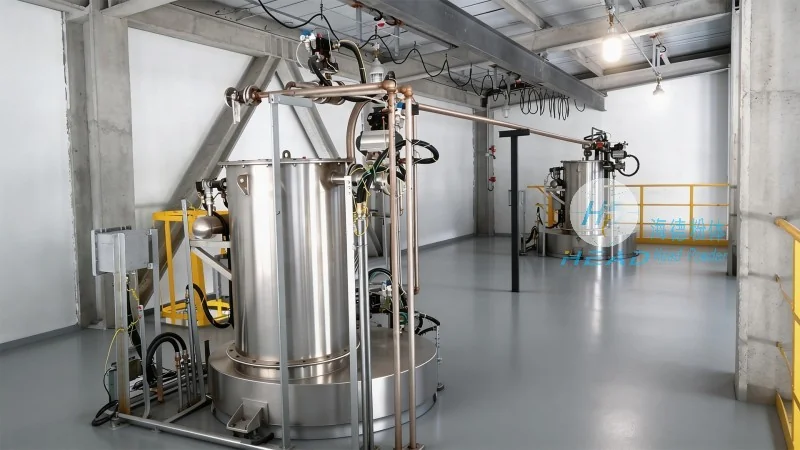
When selecting a steel grit conveying method, several factors must be considered to ensure optimal performance and cost-effectiveness. The first is the distance and layout of the facility. Short-distance transport may be suitable for gravity or mechanical conveyors, while longer distances or complex layouts may require pneumatic systems. The second factor is the volume and characteristics of the steel grit, including particle size, density, and abrasiveness. Larger or more abrasive particles may necessitate the use of more robust equipment like heavy-duty belt conveyors or specialized pneumatic systems. The third consideration is the need for dust control and environmental compliance. Pneumatic systems, with their enclosed pipelines, are often preferred in applications where dust emissions must be minimized. Finally, the budget and maintenance requirements of each system should be evaluated. While gravity conveyors are low-cost and require minimal maintenance, they may not be suitable for all applications. Mechanical and pneumatic systems, while more expensive, offer greater flexibility and can handle a wider range of materials.
Conclusion
Steel grit conveyance is a critical aspect of many industrial processes, and the choice of method can significantly impact efficiency and operational costs. By understanding the different options available—gravity, mechanical, pneumatic, and specialized systems—and considering factors such as distance, material characteristics, and environmental requirements, facilities can select the most appropriate conveying solution. Companies like Shandong HeadPowder Engineering Co., Ltd., based in China, specialize in providing tailored conveying solutions for steel grit and other abrasive materials, ensuring that industrial operations run smoothly and efficiently. Whether you need a simple gravity chute or a complex pneumatic system, the right approach can help optimize your material handling processes and enhance overall productivity.

 Shandong Headpowder Engineering Co., Ltd.
 156-6277-7102(Quản lý Trương)
  0531-83386006
  Thành phố Tế Nam, Tỉnh Sơn Đông, Trung Quốc
Điện thoại
WeChatTư vấn
Lên đầu