Chuyên sâu trong lĩnh vực vật liệu rời công nghiệp, cung cấp giải pháp môi trường thông minh tích hợp cho phối trộn tự động, cấp liệu tập trung, khử lưu huỳnh và khử nitơ khô!
Dry mix mortar, a critical material in construction, requires efficient transportation to ensure timely delivery and maintain its quality. The choice of transportation method significantly impacts the overall construction project's efficiency and cost-effectiveness. Understanding the common methods for dry mix mortar transportation is essential for construction professionals to select the most suitable option for their specific needs. This article explores the primary methods used in the industry, highlighting their advantages, applications, and considerations.
1. Pumping Transportation
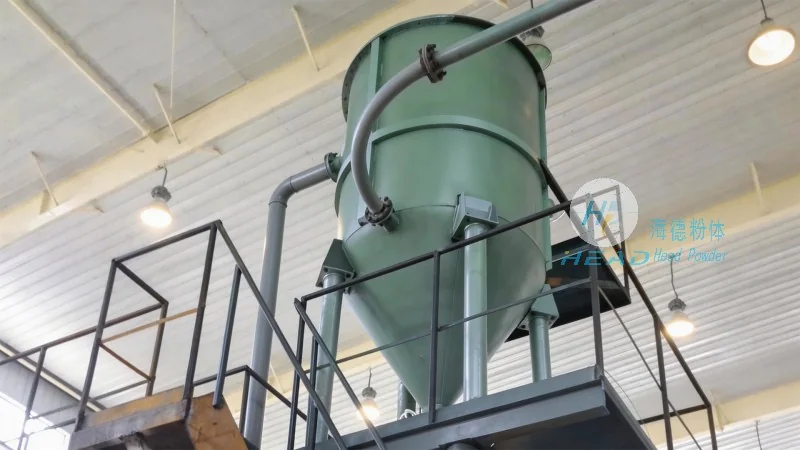
Pumping is one of the most widely used methods for transporting dry mix mortar, especially in large-scale construction projects. This method involves using a mortar pump to convey the dry mix from the storage silo or truck to the construction site. The pump applies pressure to the mortar, pushing it through pipes to the desired location. The primary advantage of pumping is its ability to deliver mortar over long distances and to elevated positions, such as upper floors or hard-to-reach areas. This method is particularly effective for high-rise buildings, where traditional methods like bucket trucks or manual handling are impractical. The pump system can handle high volumes of mortar, reducing labor costs and increasing productivity. However, it requires proper maintenance of the pump and pipes to prevent blockages or leaks, which could affect the quality of the mortar. The equipment used for pumping, such as the dry mix mortar pump, is designed to handle the specific consistency and properties of dry mix mortar, ensuring smooth and consistent flow. The efficiency of this method is enhanced by the use of high-quality pipes and valves, which minimize pressure loss and maintain the mortar's integrity during transportation.
2. Truck-Mounted Mixer Transportation
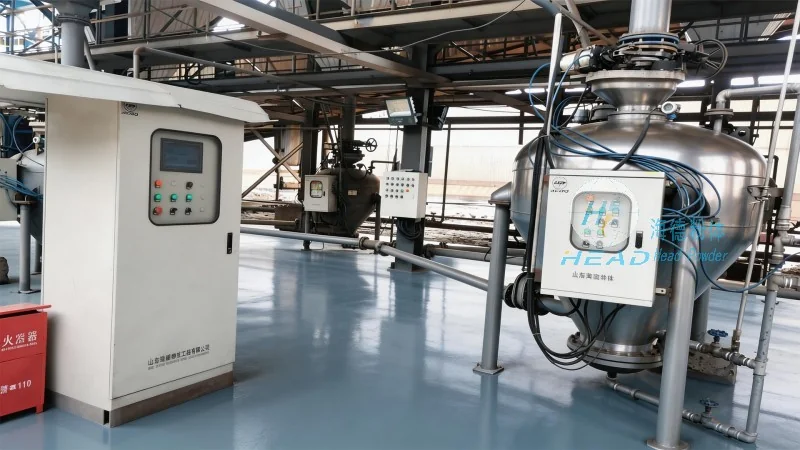
Truck-mounted mixers, also known as ready-mix trucks, are another common method for transporting dry mix mortar. These vehicles are equipped with a large mixing drum that continuously agitates the dry mix, keeping it in a fluid state until it reaches the construction site. The truck can travel to the job site, and the mixer can be operated to discharge the mortar directly into the formwork or storage containers. This method is suitable for medium to large construction projects where the distance between the production plant and the site is moderate. The truck-mounted mixer allows for on-site mixing, which can be customized to meet specific project requirements, such as adjusting the water content or adding additives. The primary advantage of this method is its flexibility, as the truck can be positioned close to the work area, reducing the need for additional equipment like pumps or cranes. However, it has limitations in terms of distance and elevation, as the truck's capacity and the mixer's speed may not be sufficient for very long or high-rise applications. The truck-mounted mixer also requires skilled operators to ensure proper mixing and discharge, as improper operation can lead to segregation or poor quality mortar. The equipment used, such as the truck-mounted dry mix mortar mixer, is designed to handle the high torque and wear from continuous mixing, ensuring durability and consistent performance.
3. Pipeline Transportation
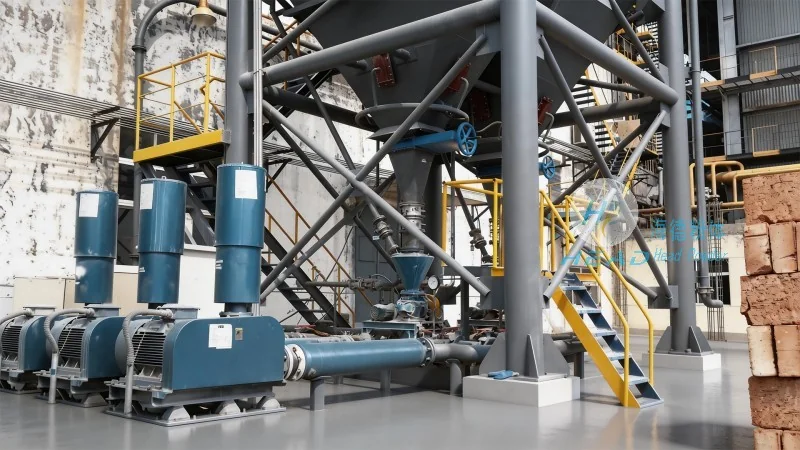
Pipeline transportation involves the use of a network of pipes to transport dry mix mortar from the production facility to the construction site. This method is typically used in large-scale projects where the mortar is produced centrally and needs to be distributed to multiple work areas. The pipeline system can be underground or above ground, depending on the project's layout and environmental considerations. The dry mix mortar is pumped through the pipes using a series of pumps, which maintain the pressure and flow rate required for consistent delivery. The primary advantage of pipeline transportation is its ability to deliver mortar to multiple locations simultaneously, reducing the need for multiple trucks or pumps. This method is particularly effective in urban areas where road access is limited or in projects with multiple construction phases. The pipeline system can be designed to handle high volumes of mortar, ensuring a steady supply to the work areas. However, it requires significant initial investment in pipeline infrastructure, including the installation of pipes, valves, and monitoring systems. The maintenance of the pipeline is also crucial to prevent leaks or blockages, which could disrupt the supply. The equipment used, such as the pipeline pump and control system, is designed to operate efficiently and reliably, ensuring the continuous flow of dry mix mortar. The use of advanced materials, such as stainless steel or corrosion-resistant pipes, enhances the durability and longevity of the pipeline system.

 Shandong Headpowder Engineering Co., Ltd.
 156-6277-7102(Quản lý Trương)
  0531-83386006
  Thành phố Tế Nam, Tỉnh Sơn Đông, Trung Quốc
Điện thoại
WeChatTư vấn
Lên đầu