Chuyên sâu trong lĩnh vực vật liệu rời công nghiệp, cung cấp giải pháp môi trường thông minh tích hợp cho phối trộn tự động, cấp liệu tập trung, khử lưu huỳnh và khử nitơ khô!
White sugar, a fundamental component in the food and beverage industry, requires efficient and reliable conveyance systems to ensure seamless operations from storage to processing. The selection of a conveyance method depends on factors such as the sugar's physical characteristics, operational scale, and specific production line requirements. This article explores the common methods used for white sugar conveyance, detailing the key considerations and applications of each approach.
1. Gravity Conveyance Systems
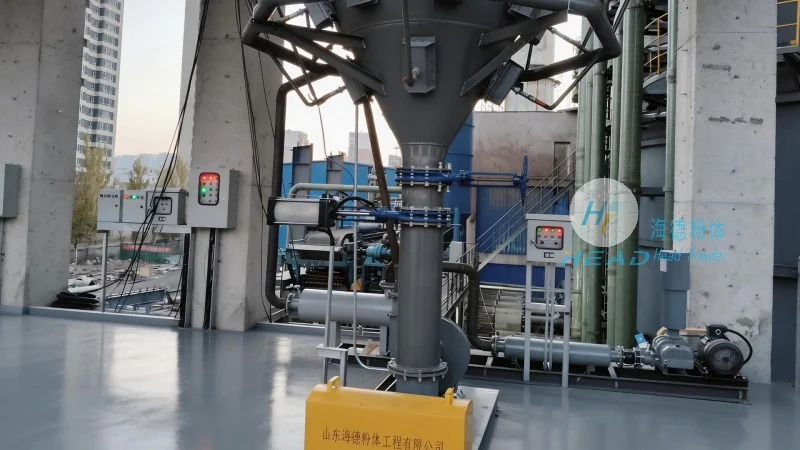
Gravity conveyance systems leverage the natural force of gravity to move white sugar between locations. These systems are typically employed for short distances and gentle slopes, making them ideal for transferring sugar from elevated storage bins or silos to lower processing areas. The core components of a gravity system include chutes, hoppers, and sometimes gravity rollers or rollers. The design of the chute is critical, as it must be smooth and free of sharp edges to prevent product degradation or blockages. For example, in a sugar refinery, a gravity chute might be used to transfer sugar from a storage silo to a grinding or refining machine. The smooth, sloped surface of the chute allows the sugar to flow consistently, minimizing the risk of caking or sticking. This method is particularly effective for bulk white sugar, as it reduces the need for mechanical power and can handle large volumes efficiently. However, it is limited by the available height and the distance between the source and destination, as the slope must be steep enough to ensure proper flow.
2. Mechanical Conveyance Systems
Mechanical conveyance systems utilize mechanical power to move white sugar, offering greater control and flexibility compared to gravity systems. These systems are widely used in industrial settings due to their ability to handle various sugar types and operational conditions. The most common types of mechanical conveyance for white sugar include belt conveyors, screw conveyors, and bucket elevators. Belt conveyors consist of a continuous belt that moves over rollers, transporting the sugar in a horizontal or slightly inclined path. This method is suitable for both short and long distances and can handle large quantities of sugar. The belt material is often chosen for its non-stick properties, such as food-grade rubber, to prevent sugar from adhering to the surface. For instance, in a sugar processing plant, a belt conveyor might be used to transport sugar from a storage hopper to a packaging line. The conveyor's speed and inclination can be adjusted to control the flow rate, ensuring that the sugar moves at a consistent pace without causing overloading or spillage. Screw conveyors, also known as augers, use a rotating screw to push the sugar forward. These systems are particularly effective for vertical or inclined transport, as the screw can lift the sugar from a lower level to a higher one. The design of the screw, including its pitch and diameter, is crucial for preventing clogging and ensuring smooth operation. Screw conveyors are commonly used in applications where the sugar needs to be mixed or blended before processing, as the screw can gently mix the material while moving it. However, they may not be suitable for very fine or powdery sugars, as the screw can cause excessive friction and degradation.
3. Pneumatic Conveyance Systems
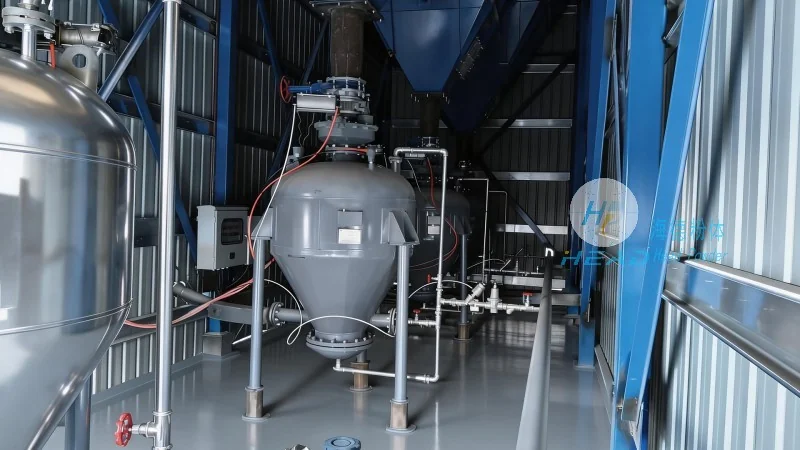
Pneumatic conveyance systems use air pressure to transport white sugar, offering a dust-free and flexible solution for conveying. These systems are ideal for applications where the sugar needs to be moved over long distances or through complex routes, such as from a storage silo to a processing plant located in a different building. The primary components of a pneumatic system include a hopper, a blower or air compressor, and a pipeline network. The sugar is loaded into the hopper and then drawn into the pipeline by the air flow. The system can be either positive pressure (where air pushes the sugar) or negative pressure (where air pulls the sugar). Positive pressure systems are more common for long-distance transport, as they can maintain a consistent flow rate and prevent product degradation. The pipeline is typically made of stainless steel or other corrosion-resistant materials to prevent contamination and ensure durability. Pneumatic conveyance is particularly effective for handling fine or powdery white sugar, as it can transport the material without causing caking or segregation. However, it requires careful maintenance to ensure that the air system is clean and free of moisture, as moisture can cause the sugar to clump together and block the pipeline. Additionally, the system's efficiency depends on the air pressure and flow rate, which must be optimized to avoid excessive energy consumption or product damage.
4. Hydraulic Conveyance Systems

Hydraulic conveyance systems use hydraulic power to move white sugar, offering a high-capacity solution for large-scale operations. These systems are typically used in industrial settings where the volume of sugar being transported is very high, such as in large sugar refineries or bulk handling facilities. The primary components of a hydraulic system include a hydraulic pump, a hydraulic cylinder, and a conveyor belt or screw mechanism. The hydraulic pump provides the necessary force to move the sugar, while the cylinder or belt transports the material. The system can be designed to handle both horizontal and vertical transport, making it versatile for various applications. Hydraulic conveyance is particularly effective for handling wet or sticky white sugar, as the hydraulic pressure can help break up clumps and ensure smooth flow. However, it requires regular maintenance to ensure that the hydraulic fluid is clean and free of contaminants, as any debris can cause damage to the system components. Additionally, the system's efficiency depends on the hydraulic pressure and flow rate, which must be carefully controlled to avoid excessive energy consumption or product degradation.
5. Combination Conveyance Systems

Many modern sugar processing facilities use combination conveyance systems that integrate multiple methods to optimize efficiency and flexibility. These systems may combine gravity, mechanical, and pneumatic components to handle different stages of the sugar conveyance process. For example, a system might use a gravity chute to move sugar from a storage silo to a mechanical screw conveyor, which then transports the sugar to a pneumatic system for final delivery to the processing line. This combination allows for the efficient handling of different sugar types and operational conditions, ensuring that the entire process is smooth and continuous. The key to a successful combination system is the proper integration of the components, ensuring that the flow rate and pressure are consistent throughout the entire process. This approach is particularly effective for large-scale operations, as it can handle high volumes of sugar while minimizing downtime and maintenance. However, it requires careful planning and design to ensure that the system is efficient and reliable, as any issues in one component can affect the entire process.
6. Key Considerations for White Sugar Conveyance
When selecting a conveyance method for white sugar, several factors must be considered to ensure optimal performance and product quality. The first consideration is the physical properties of the sugar, such as its particle size, moisture content, and flowability. For example, fine or powdery white sugar may require a pneumatic or mechanical system to prevent clogging, while coarse or granulated sugar may be suitable for gravity or belt conveyors. The second consideration is the scale of operations, including the volume of sugar being transported and the distance between the source and destination. For small-scale operations, a simple gravity system may be sufficient, while large-scale operations may require a combination of mechanical and pneumatic systems. The third consideration is the specific requirements of the production line, such as the need for gentle handling, dust control, or integration with other equipment. For instance, if the sugar needs to be processed without degradation, a pneumatic system may be preferred over a mechanical system, as it minimizes friction and impact. The fourth consideration is the cost and maintenance requirements of the system. Gravity systems are generally the most cost-effective, while pneumatic and hydraulic systems may require higher initial investment but offer greater flexibility and efficiency. The choice of conveyance method should be based on a careful evaluation of these factors to ensure that the system meets the operational needs and maintains the quality of the white sugar.
Conclusion
White sugar conveyance is a critical aspect of sugar processing, and the choice of method plays a significant role in the efficiency and quality of the final product. From gravity systems to pneumatic and hydraulic solutions, each method offers unique advantages and limitations. The key to selecting the right conveyance system is to consider the specific requirements of the operation, including the sugar's properties, the scale of the operation, and the production line's needs. By carefully evaluating these factors, sugar processing facilities can choose a conveyance method that ensures smooth, efficient, and high-quality operation. As the demand for white sugar continues to grow, the importance of reliable conveyance systems will only increase, making it essential for companies to invest in the right equipment and technology.

 Shandong Headpowder Engineering Co., Ltd.
 156-6277-7102(Quản lý Trương)
  0531-83386006
  Thành phố Tế Nam, Tỉnh Sơn Đông, Trung Quốc
Điện thoại
WeChatTư vấn
Lên đầu