Chuyên sâu trong lĩnh vực vật liệu rời công nghiệp, cung cấp giải pháp môi trường thông minh tích hợp cho phối trộn tự động, cấp liệu tập trung, khử lưu huỳnh và khử nitơ khô!
In the pharmaceutical and nutraceutical industries, the efficient and reliable delivery of capsules is a critical factor in ensuring product quality, safety, and patient compliance. As a result, various methods have been developed to handle capsules from manufacturing to final packaging. These methods vary in complexity, cost, and scalability, catering to different production needs. This article examines the common methods of capsule delivery, focusing on their applications, technical aspects, and the role of specialized equipment in optimizing the process.
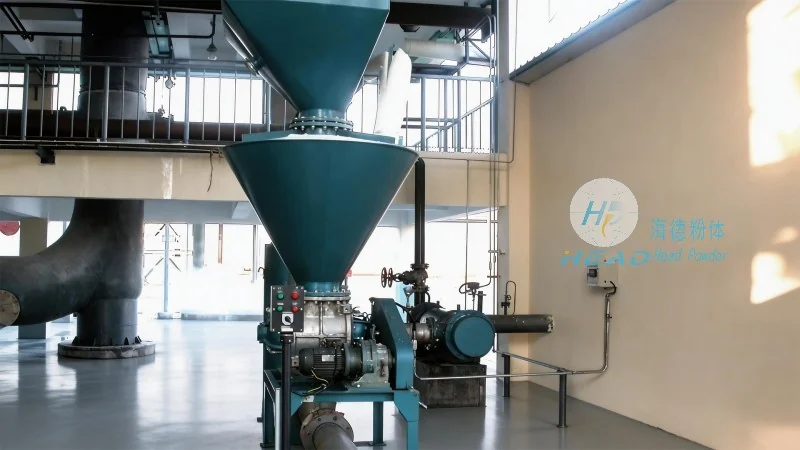
1. Traditional Manual Handling and Dispensing
Manual handling remains a basic method for capsule delivery, particularly in small-scale or specialized operations. This approach involves operators using tools like scoops or spoons to transfer capsules from bulk containers into packaging units. While cost-effective and simple, manual methods are prone to human error, leading to inconsistent dosing and potential contamination risks. Labor-intensive and slow, they are unsuitable for high-throughput production lines. However, they are still relevant for niche applications, such as small batch production or custom formulations where automation is not feasible.
2. Automated Capsule Filling Machines
Automated capsule filling machines are a cornerstone of modern capsule delivery, designed to handle large volumes with precision and speed. These machines typically consist of a hopper for capsule storage, a feeder to align capsules in a single row, and a filling station where the dosage is added. The filled capsules are then transported to a packaging station. Key features include adjustable speed controls, automatic cleaning cycles, and integrated quality control systems. For companies like Shandong HeadPowder Engineering Co., Ltd., which specializes in engineering solutions for the pharmaceutical sector, these machines are a core offering, providing reliable and scalable solutions to meet production demands. The efficiency of these machines is enhanced by their ability to handle different capsule types, including hard gelatin and soft gel capsules, with minimal downtime.
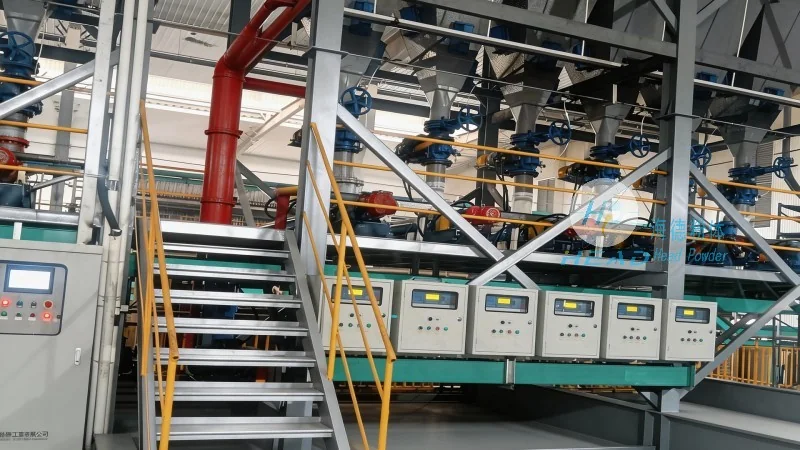
3. Vibratory Feeders and Conveyors
Vibratory feeders and conveyors are essential components in automated capsule delivery systems, minimizing friction and capsule damage. These devices use vibration to move capsules through a network of trays or belts. The design is optimized for different capsule sizes and shapes, ensuring consistent performance. For instance, in the manufacturing of soft gel capsules, vibratory feeders are crucial for maintaining product integrity and reducing waste. They are often integrated with filling and packaging equipment, creating a seamless workflow. The benefits include reduced labor costs and improved product consistency, making them a preferred choice for high-volume production lines.

4. Pneumatic Delivery Systems
Pneumatic delivery systems use compressed air to transport capsules through tubes or pipes, ideal for short-distance, rapid movement. The system includes a compressed air source, delivery tubes, and control valves to regulate capsule flow. This method is particularly useful for handling sensitive capsules, as it avoids physical contact, reducing contamination risks. Pneumatic systems are often combined with automated filling and packaging equipment, enabling continuous production. For pharmaceutical companies, these systems offer flexibility and reliability, supporting diverse production needs. They are especially beneficial for high-speed operations where precision and speed are critical.
5. Integrated Capsule Delivery Lines
Integrated capsule delivery lines combine multiple components into a single, automated system, streamlining the entire process from raw material handling to final packaging. These lines typically include raw material storage, capsule manufacturing, filling and sealing, and packaging units. The level of automation can be customized, from semi-automated to fully automated, to meet client requirements. For example, a semi-automated line may involve manual raw material loading but automated filling and packaging, while a fully automated line handles all processes without human intervention. The advantages include increased productivity, reduced labor costs, and improved product consistency. Companies like Shandong HeadPowder Engineering Co., Ltd. specialize in designing and manufacturing these integrated systems, providing tailored solutions for clients in the pharmaceutical and nutraceutical industries.

 Shandong Headpowder Engineering Co., Ltd.
 156-6277-7102(Quản lý Trương)
  0531-83386006
  Thành phố Tế Nam, Tỉnh Sơn Đông, Trung Quốc
Điện thoại
WeChatTư vấn
Lên đầu