Chuyên sâu trong lĩnh vực vật liệu rời công nghiệp, cung cấp giải pháp môi trường thông minh tích hợp cho phối trộn tự động, cấp liệu tập trung, khử lưu huỳnh và khử nitơ khô!
When it comes to the efficient and reliable transportation of soybeans, various methods are employed across the industry to ensure optimal handling from the farm to the processing facility or market. Understanding these common methods is crucial for businesses involved in soybean trade and logistics, as each approach offers distinct advantages and considerations based on factors such as distance, volume, and destination.

1. Pipeline Transportation
Pipeline transportation has emerged as a highly efficient method for moving large volumes of soybeans, particularly in regions with extensive infrastructure. This method involves transporting soybeans through a network of pipes, often using pneumatic systems where air pressure propels the beans through the pipeline. The system typically includes components like silos, conveyors, and storage tanks to facilitate the flow. For companies like Shandong HeadPowder Engineering Co., Ltd., specialized pipeline systems are designed to handle the unique characteristics of soybeans, ensuring minimal damage and consistent flow rates. This approach is ideal for long-distance, high-volume shipments where traditional trucking might be less efficient.
2. Truck Transportation
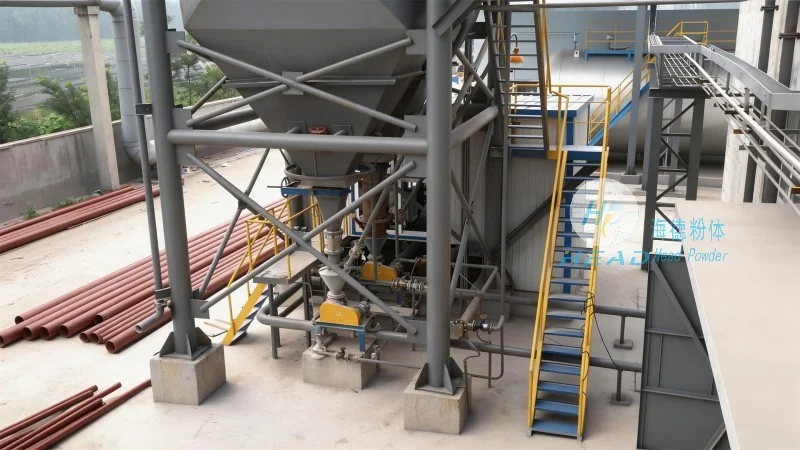
Truck transportation remains a versatile and widely used method for soybean delivery, especially for shorter distances and smaller to medium-sized shipments. Trucks offer flexibility in routes and can reach locations that may not be accessible by rail or water. The process generally involves loading soybeans into bulk trucks or trailers, which are equipped with specialized containers to prevent spillage and maintain quality. Companies like HeadPowder provide expertise in designing and maintaining truck loading systems that ensure efficient and safe transport. This method is particularly valuable for delivering soybeans to processing plants, ports, or distribution centers within a region.
3. Railway Transportation
For long-distance and bulk shipments, railway transportation is a cost-effective and environmentally friendly option. Soybeans are often transported in specialized railcars, such as covered hoppers or bulk containers, which are designed to protect the cargo from weather and contamination. This method is especially beneficial for moving large quantities from agricultural regions to major processing hubs or export terminals. The railway network in China, for example, connects key soybean-producing areas like Shandong with major ports and processing facilities, making it a vital component of the supply chain. Companies like Shandong HeadPowder Engineering Co., Ltd. may collaborate with rail operators to optimize the logistics of soybean transport, ensuring timely delivery and cost efficiency.
4. Waterway Transportation
Waterway transportation, including shipping via barges and vessels, is a significant method for moving soybeans, particularly for international trade and large-scale domestic shipments. This method is highly cost-effective for long distances, especially when transporting large volumes from ports to processing facilities or export markets. The process involves loading soybeans into bulk carriers or barges, which are equipped with specialized holds to prevent moisture and damage. Companies involved in soybean logistics often work with shipping lines to ensure the safe and efficient movement of cargo. For example, from the port of Qingdao in China, soybeans are frequently shipped to global markets, highlighting the importance of waterway transport in the industry. This method is particularly advantageous for reducing transportation costs and supporting large-scale trade operations.
5. Combined Transport Solutions

In many cases, a combination of transportation methods is used to optimize the supply chain for soybeans. This integrated approach, often referred to as multimodal transport, involves using multiple modes such as trucks, railways, and ships to move the cargo from origin to destination. For instance, soybeans may be loaded onto trucks from the farm, transported to a railway station, and then shipped by rail to a port, where they are loaded onto a vessel for international delivery. Companies like Shandong HeadPowder Engineering Co., Ltd. specialize in designing and implementing these combined transport solutions, ensuring seamless transitions between each mode and minimizing delays. This approach enhances flexibility and reduces overall transportation costs, making it a preferred choice for many businesses in the soybean industry.
6. Specialized Equipment and Infrastructure
Regardless of the transportation method chosen, specialized equipment and infrastructure play a critical role in ensuring the quality and efficiency of soybean transport. For pipeline systems, components like air compressors, silos, and conveyor belts are essential for maintaining consistent flow. Truck loading systems may include augers and loading arms to safely transfer soybeans into trailers. Railway cars are designed with features such as sloped sides to facilitate unloading and prevent blockages. Waterway vessels are equipped with bulkheads and ventilation systems to protect the cargo. Companies like HeadPowder provide expertise in the design, installation, and maintenance of these systems, ensuring that each component operates efficiently and meets industry standards. Proper maintenance and regular inspections are crucial to prevent equipment failure and maintain the integrity of the soybean cargo.
7. Considerations for Soybean Transportation
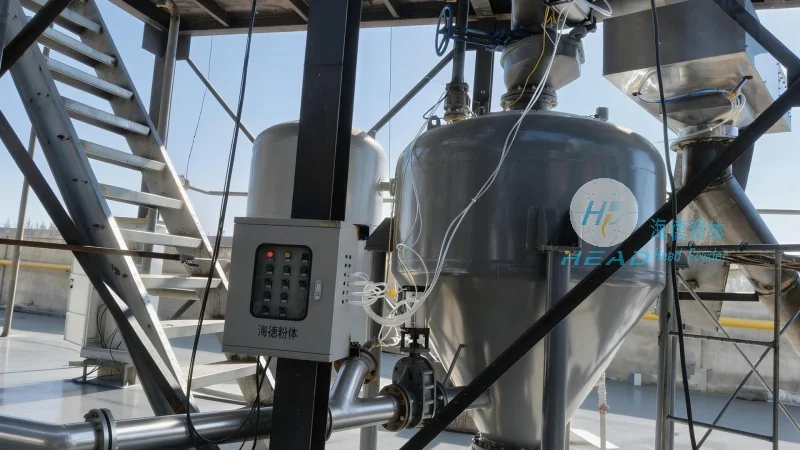
When selecting a transportation method for soybeans, several factors must be considered to ensure the best outcome. These include the volume of the shipment, the distance to the destination, the time sensitivity of the delivery, and the cost implications. For example, small volumes over short distances may be better suited to truck transport, while large volumes over long distances may benefit from railway or waterway transport. The condition of the soybeans, such as moisture content and temperature, also plays a role in determining the most appropriate method, as certain systems may be more effective at preserving quality. Additionally, regulatory requirements and environmental considerations may influence the choice of transportation method. Companies like Shandong HeadPowder Engineering Co., Ltd. offer comprehensive consulting services to help businesses evaluate these factors and select the most suitable transportation solution for their specific needs.
8. Case Study: Soybean Transport in Shandong, China
Shandong, a major soybean-producing region in China, exemplifies the importance of efficient transportation methods in the industry. With a large number of farms and processing facilities, the region relies on a combination of truck, railway, and waterway transport to move soybeans to domestic and international markets. For instance, soybeans harvested in Shandong are often transported by truck to railway stations, where they are loaded onto trains for delivery to ports like Qingdao or Rizhao. From these ports, the soybeans are shipped to other parts of China or exported globally. Companies like Shandong HeadPowder Engineering Co., Ltd. play a key role in this supply chain by providing specialized equipment and infrastructure for each stage of transport. Their expertise in designing and maintaining transport systems ensures that soybeans are handled safely and efficiently, supporting the region's agricultural economy and global trade.

 Shandong Headpowder Engineering Co., Ltd.
 156-6277-7102(Quản lý Trương)
  0531-83386006
  Thành phố Tế Nam, Tỉnh Sơn Đông, Trung Quốc
Điện thoại
WeChatTư vấn
Lên đầu