Chuyên sâu trong lĩnh vực vật liệu rời công nghiệp, cung cấp giải pháp môi trường thông minh tích hợp cho phối trộn tự động, cấp liệu tập trung, khử lưu huỳnh và khử nitơ khô!
When it comes to the manufacturing process of lithium-ion batteries, the efficient and safe handling of positive and negative electrode materials is a critical step. Proper material transport ensures consistent quality, minimizes contamination risks, and optimizes production efficiency. This article will explore the common methods used for transporting lithium-ion battery positive and negative electrode materials, focusing on the technologies and practices adopted by industry leaders such as Shandong HeadPowder Engineering Co., Ltd.
1. Conveying Systems for Dry Powder Materials
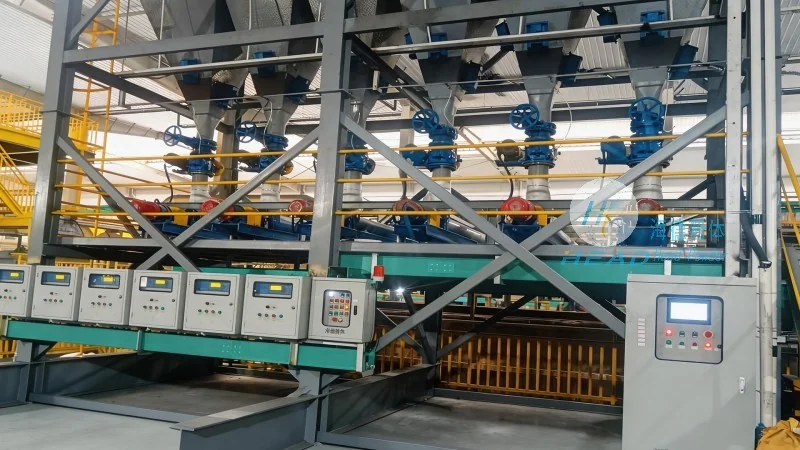
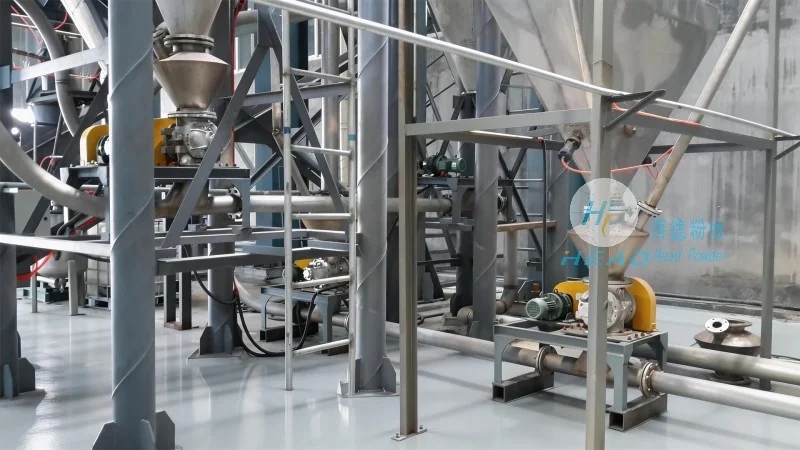
For the dry powder materials used in lithium-ion battery electrodes, such as lithium cobalt oxide (LiCoO₂) for positive electrodes and graphite for negative electrodes, pneumatic conveying systems are widely employed. These systems use compressed air to transport powders through a network of pipes, ensuring a dust-free and controlled environment. The HeadPowder company, with its expertise in material handling solutions, offers advanced pneumatic conveying equipment that can handle various particle sizes and moisture levels. This method is particularly effective for large-scale production lines, providing a continuous flow of materials from storage silos to mixing and coating stations.
2. Screw Conveyors and Auger Systems
Screw conveyors, also known as auger conveyors, are another common method for transporting bulk materials like electrode powders. These systems consist of a rotating screw inside a tube, which pushes the material forward. Screw conveyors are suitable for both horizontal and inclined transport, making them versatile for different plant layouts. Shandong HeadPowder Engineering Co., Ltd. has developed robust screw conveyor designs that can handle abrasive materials without causing wear and tear. The company’s conveyors are equipped with variable speed drives, allowing operators to adjust the flow rate according to production demands, thus maintaining consistent material feed rates to the next processing stage.
3. Belt Conveyors for Bulk Material Handling
Belt conveyors are widely used in the battery material processing industry for transporting larger quantities of electrode powders and mixtures. These systems use a continuous belt to move materials from one point to another, often in combination with elevators or incline sections. The HeadPowder engineering team has designed specialized belt conveyor systems that can handle high throughput while maintaining material integrity. For example, their conveyors are equipped with anti-static features and material separation mechanisms to prevent agglomeration and ensure a uniform feed to the coating and drying processes. This method is particularly beneficial for transporting mixed electrode materials after the addition of binders and solvents, as it can handle wet or semi-wet materials without clogging.
4. Vacuum Conveying for Controlled Material Transport
Vacuum conveying systems offer a more controlled and gentle method for transporting sensitive electrode materials, especially those that are prone to degradation or contamination. Unlike pneumatic conveying, which uses positive pressure, vacuum systems create a negative pressure environment that draws the material into the conveying line. This approach reduces particle breakage and maintains the material's physical properties. Shandong HeadPowder Engineering Co., Ltd. has integrated vacuum conveying technology into their material handling solutions, providing a clean and efficient way to transport materials from raw material storage to the mixing and coating stages. The company’s vacuum systems are equipped with filtration and dust collection units, ensuring that the material remains free from contaminants throughout the transport process.
5. Automated Material Handling with Robotics
In modern battery manufacturing facilities, the integration of robotics and automated systems has become essential for optimizing material transport. Automated guided vehicles (AGVs) and robotic arms are used to move containers and bulk material bins between different processing stations. This approach reduces manual handling, minimizes human error, and enhances safety in the production environment. The HeadPowder company has developed customized robotic solutions that can interface with existing production lines, ensuring seamless material transfer. For instance, their robotic systems can automatically load and unload material hoppers from mixing machines, adjusting the feed rate based on real-time production data. This automation not only improves efficiency but also allows for better traceability and quality control in the electrode material transport process.

6. Material Handling Considerations for Safety and Quality
When selecting a material transport method for lithium-ion battery electrodes, several factors must be considered to ensure safety and quality. First, the system must be designed to prevent dust explosions, which are a significant hazard in powder handling environments. Shandong HeadPowder Engineering Co., Ltd. incorporates explosion-proof features in their conveying systems, such as spark detection and suppression systems, to mitigate these risks. Second, the transport method should minimize material degradation, as electrode powders are sensitive to moisture, temperature, and mechanical stress. The company’s advanced conveying technologies, including temperature-controlled lines and gentle handling mechanisms, help preserve the material's properties. Finally, the system must be scalable and adaptable to changes in production volume and material specifications, ensuring long-term operational efficiency.
7. Conclusion: Choosing the Right Transport Method
The choice of material transport method for lithium-ion battery positive and negative electrode materials depends on various factors, including production scale, material properties, and safety requirements. Pneumatic conveying, screw conveyors, belt conveyors, vacuum systems, and automated robotics each offer unique advantages and are suitable for different applications. Shandong HeadPowder Engineering Co., Ltd., with its expertise in material handling solutions, provides tailored systems that address the specific needs of battery manufacturers. By selecting the appropriate transport method and implementing advanced technologies, battery producers can enhance production efficiency, maintain material quality, and ensure safe operations in their manufacturing facilities.

 Shandong Headpowder Engineering Co., Ltd.
 156-6277-7102(Quản lý Trương)
  0531-83386006
  Thành phố Tế Nam, Tỉnh Sơn Đông, Trung Quốc
Điện thoại
WeChatTư vấn
Lên đầu