Chuyên sâu trong lĩnh vực vật liệu rời công nghiệp, cung cấp giải pháp môi trường thông minh tích hợp cho phối trộn tự động, cấp liệu tập trung, khử lưu huỳnh và khử nitơ khô!
Biomass pellet conveying is a critical process in the handling and transportation of biomass materials, which are widely used as renewable energy sources and raw materials in various industries. The efficient and reliable conveying of biomass pellets is essential for maintaining production efficiency and ensuring the quality of downstream processes. In this article, we will explore the primary methods used for biomass pellet conveying, focusing on the technologies and equipment employed by Shandong HeadPowder Engineering Co., Ltd. to address the diverse needs of industrial applications.
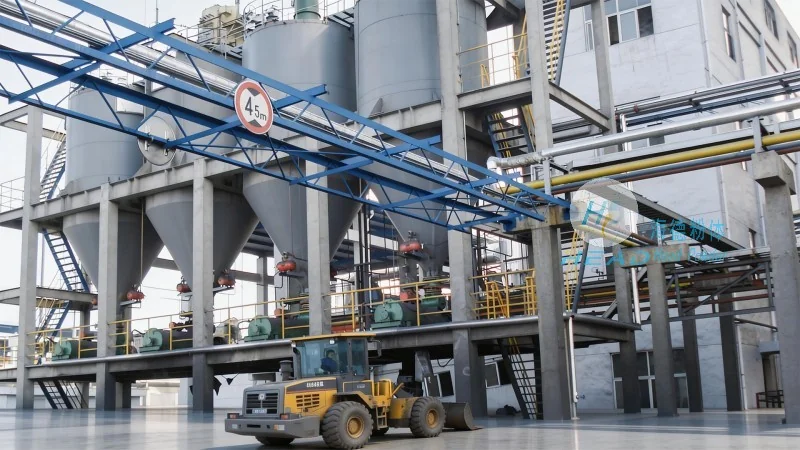
1. Screw Conveyors for Biomass Pellet Transport

One of the most common and widely used methods for biomass pellet conveying is through screw conveyors. These devices utilize a rotating helical screw to move pellets along a closed or open trough. The screw conveyor is particularly effective for horizontal or slightly inclined transport, making it suitable for short to medium distances. The design of the screw conveyor, including the pitch and diameter of the screw, is tailored to the specific characteristics of the biomass pellets, such as size, density, and moisture content. For example, a standard screw conveyor with a moderate pitch is often used for transporting wood pellets or agricultural waste pellets, providing consistent and low-maintenance operation. The screw conveyor system is equipped with inlet and outlet hoppers, which facilitate the loading and unloading of pellets, and a drive mechanism that ensures smooth rotation. This method is particularly advantageous for applications where space is limited and where a continuous, enclosed transport system is required. The screw conveyor also helps in maintaining the integrity of the pellets, preventing breakage or segregation during transport.
2. Pneumatic Conveying Systems for Biomass Pellets
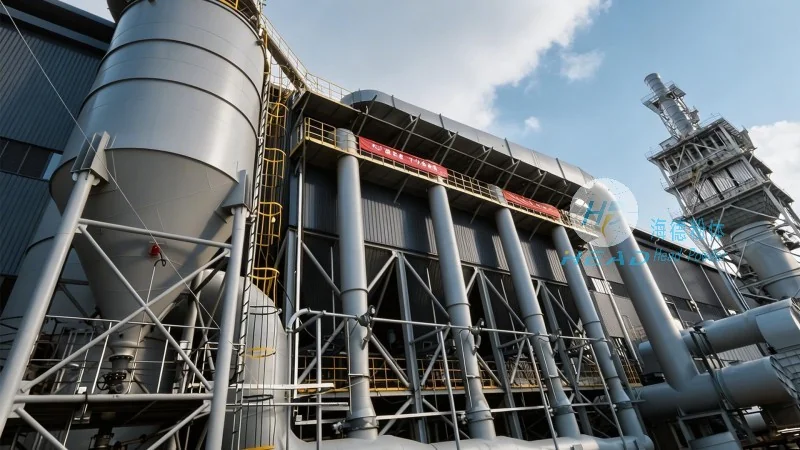
Another effective method for biomass pellet conveying is pneumatic conveying, which utilizes air or gas to transport the pellets through a pipeline. This method is particularly suitable for long-distance or high-rise transport, as it can move pellets over significant vertical and horizontal distances with minimal energy consumption. Pneumatic conveying systems are categorized into two main types: dilute-phase and dense-phase. Dilute-phase systems use low air velocity to transport pellets in a dispersed state, while dense-phase systems use higher air velocity to create a slurry-like mixture of pellets and air. The choice between these systems depends on the distance, pellet characteristics, and the required flow rate. For instance, a dilute-phase pneumatic conveyor is commonly used for short to medium distances, such as within a processing plant, while a dense-phase system is preferred for longer distances, such as between different production facilities. The pneumatic conveying system includes a blower or compressor to generate the necessary air pressure, a hopper for loading the pellets, and a pipeline network with appropriate fittings and valves. This method offers advantages such as the ability to transport pellets in an enclosed system, reducing dust emissions and environmental impact. Additionally, pneumatic conveying can be integrated with other processing equipment, such as classifiers or dryers, to create a continuous production line.
3. Belt Conveyors for Bulk Biomass Pellet Handling
Belt conveyors are another widely used method for biomass pellet conveying, especially for bulk handling and long-distance transport. These systems consist of a continuous belt that moves over rollers or pulleys, transporting pellets from one location to another. The belt conveyor is particularly effective for horizontal and slightly inclined transport, with the ability to handle large volumes of pellets at a time. The design of the belt conveyor includes a wide belt to accommodate the bulk material, and a series of idlers and pulleys to support and guide the belt. The conveyor is equipped with loading and unloading mechanisms, such as hoppers and chutes, which facilitate the transfer of pellets. For example, a belt conveyor with a heavy-duty belt and reinforced rollers is used for transporting wood pellets from a storage silo to a boiler or a processing unit. The belt speed and tension are adjustable to control the flow rate and ensure smooth operation. This method is advantageous for applications where high throughput is required, and where the transport distance is relatively long. The belt conveyor also provides a stable and reliable transport system, with minimal maintenance requirements compared to other methods. However, it is important to note that belt conveyors may require regular cleaning and maintenance to prevent material buildup and ensure optimal performance.
4. Bucket Elevators for Vertical Biomass Pellet Transport

For vertical transport of biomass pellets, bucket elevators are commonly used. These devices consist of a vertical or inclined conveyor with a series of buckets attached to a chain or belt. The buckets are filled with pellets as they move up the conveyor, and then emptied at the top. Bucket elevators are particularly effective for vertical transport, as they can move pellets over significant heights with minimal space requirements. The design of the bucket elevator includes a drive mechanism that moves the buckets along the conveyor, and a hopper at the bottom for loading the pellets. The buckets are typically made of durable materials, such as steel or plastic, to withstand the impact and abrasion from the pellets. For example, a bucket elevator with a stainless steel chain and plastic buckets is used for transporting agricultural waste pellets from a ground-level storage to a processing facility on an upper floor. The bucket elevator is equipped with safety features, such as emergency stops and overload protection, to ensure safe operation. This method is advantageous for vertical transport, as it can handle large volumes of pellets and maintain a consistent flow rate. However, it is important to consider the power consumption and maintenance of the bucket elevator, as vertical transport can be more energy-intensive than horizontal transport.

 Shandong Headpowder Engineering Co., Ltd.
 156-6277-7102(Quản lý Trương)
  0531-83386006
  Thành phố Tế Nam, Tỉnh Sơn Đông, Trung Quốc
Điện thoại
WeChatTư vấn
Lên đầu