Chuyên sâu trong lĩnh vực vật liệu rời công nghiệp, cung cấp giải pháp môi trường thông minh tích hợp cho phối trộn tự động, cấp liệu tập trung, khử lưu huỳnh và khử nitơ khô!
Magnesium oxide powder, a widely used industrial material, requires efficient and reliable transportation methods to ensure smooth production processes. As a leading manufacturer in the field, Shandong HeadPowder Engineering Co., Ltd. (referred to as HeadPowder) offers several effective solutions for transporting magnesium oxide powder. This article explores the primary methods used for handling and moving this material, providing insights into each approach's advantages and applications.

1. Bagging and Bulk Handling
For bulk storage and transportation, bagging is a common method. Magnesium oxide powder is typically packaged in flexible containers such as polyethylene bags or woven sacks. These bags are designed to prevent moisture and contamination, which is crucial for maintaining the powder's quality. HeadPowder specializes in producing high-quality packaging solutions tailored to the specific needs of magnesium oxide powder, ensuring that the material remains stable during transit. The bulk handling process involves loading the powder into containers using specialized equipment like bulk loaders or pneumatic fillers. This method is particularly suitable for short-distance transportation or when the powder needs to be stored before further processing.
2. Pneumatic Conveying Systems
Pneumatic conveying is a popular choice for transporting magnesium oxide powder over medium to long distances. This system uses air pressure to move the powder through a pipeline. There are two main types of pneumatic conveying: positive pressure and negative pressure. Positive pressure systems push the powder forward using compressed air, while negative pressure systems create a vacuum to draw the powder into the pipeline. HeadPowder's pneumatic conveying solutions are engineered to handle the specific characteristics of magnesium oxide powder, such as its fine particle size and potential for caking. The systems are equipped with filters and cyclones to separate the powder from the air, ensuring minimal loss and maintaining air quality. This method is ideal for applications where the powder needs to be transported from a storage silo to a processing plant or between different production stages.
3. Screw Conveyors
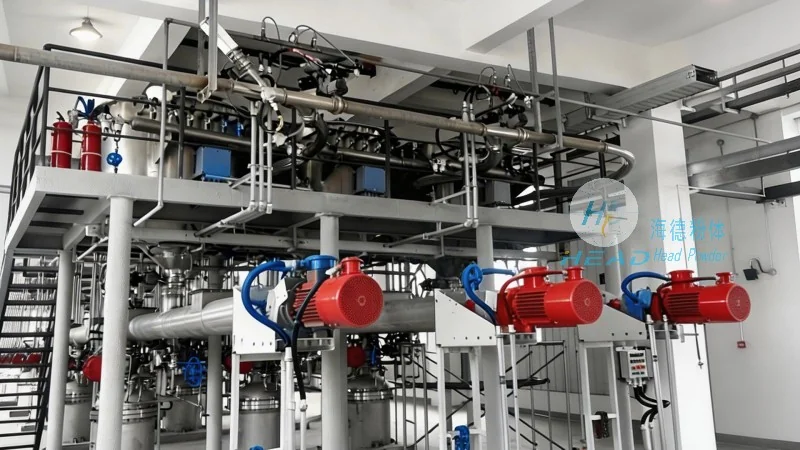
Screw conveyors are another effective method for transporting magnesium oxide powder, especially in horizontal or slightly inclined applications. These conveyors consist of a rotating screw (helix) inside a tube or trough. The screw rotates, pushing the powder forward as it moves through the system. Screw conveyors are suitable for both dry and slightly wet powders, making them versatile for various industrial uses. HeadPowder's screw conveyor designs are optimized for the flow characteristics of magnesium oxide powder, minimizing the risk of blockages and ensuring consistent material movement. The conveyors are constructed with materials resistant to corrosion and abrasion, which is essential for handling the powder over extended periods. This method is commonly used in manufacturing plants for moving the powder from storage to mixing or processing equipment.
4. Belt Conveyors
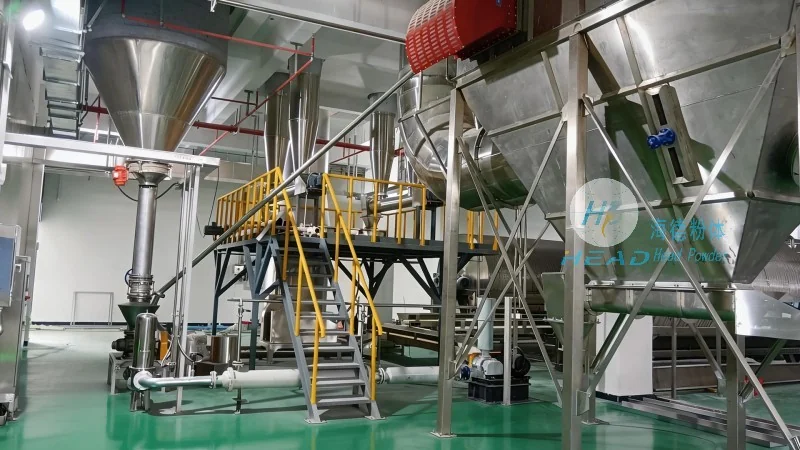
Belt conveyors are widely used for transporting magnesium oxide powder in bulk quantities over longer distances. These systems consist of a continuous belt that moves over rollers or pulleys, carrying the powder from one location to another. Belt conveyors are particularly effective for horizontal and slightly inclined transport, with the ability to handle large volumes of material efficiently. HeadPowder's belt conveyor solutions are designed to handle the specific properties of magnesium oxide powder, such as its fine particle size and potential for dust generation. The conveyors are equipped with dust control measures, such as covers and seals, to minimize airborne particles and maintain a safe working environment. This method is ideal for applications where the powder needs to be transported over significant distances, such as from a raw material storage area to a production facility.
5. Hydraulic Conveying
Hydraulic conveying is a less common but effective method for transporting magnesium oxide powder, especially in applications where other systems are not suitable. This system uses water or a slurry to transport the powder through a pipeline. The powder is mixed with water to form a slurry, which is then pumped through the system. HeadPowder's hydraulic conveying solutions are designed to handle the specific characteristics of magnesium oxide powder, ensuring that the slurry remains stable and does not clog the pipeline. The system includes filters and separation equipment to remove excess water and return it to the process, minimizing waste. This method is typically used in specialized applications, such as in mining or large-scale industrial processing where other methods may not be feasible.
When selecting a transportation method for magnesium oxide powder, it is essential to consider factors such as the material's properties, the distance to be covered, and the specific requirements of the application. HeadPowder provides customized solutions that address these factors, ensuring efficient and reliable transport of magnesium oxide powder. By leveraging our expertise in material handling and industrial equipment, we help clients optimize their production processes and maintain the quality of their magnesium oxide powder throughout the transportation and handling stages.

 Shandong Headpowder Engineering Co., Ltd.
 156-6277-7102(Quản lý Trương)
  0531-83386006
  Thành phố Tế Nam, Tỉnh Sơn Đông, Trung Quốc
Điện thoại
WeChatTư vấn
Lên đầu