Chuyên sâu trong lĩnh vực vật liệu rời công nghiệp, cung cấp giải pháp môi trường thông minh tích hợp cho phối trộn tự động, cấp liệu tập trung, khử lưu huỳnh và khử nitơ khô!
When it comes to the efficient handling and transportation of gypsum granules, understanding the available methods is crucial for optimizing industrial processes. As a leading provider in the field, Shandong HeadPowder Engineering Co., Ltd. specializes in delivering tailored solutions that meet the specific needs of various applications. This article explores the primary methods used for gypsum granules transportation, highlighting their advantages and typical applications.

1. Belt Conveyor Systems for Gypsum Granules
Belt conveyors are among the most common and reliable methods for transporting gypsum granules over short to medium distances. These systems consist of a continuous loop of material that moves along a flat or slightly inclined surface, driven by pulleys. The design of belt conveyors allows for the smooth and consistent movement of granular materials, making them ideal for applications where a steady flow is required. Shandong HeadPowder Engineering Co., Ltd. offers customized belt conveyor solutions that can be adapted to handle different sizes and types of gypsum granules, ensuring optimal performance and durability. The use of high-quality materials in the construction of these conveyors, such as reinforced belts and robust frames, contributes to their long service life and minimal maintenance requirements.
2. Pneumatic Conveying Systems
Pneumatic conveying, also known as air-based transport, is another effective method for gypsum granules transportation, particularly when dealing with fine or dusty materials. This technology utilizes a pressurized air system to move the granules through a pipeline. There are two main types of pneumatic conveying: positive displacement and negative pressure. Positive displacement systems use a pump to force air and material through the line, while negative pressure systems create a vacuum to draw the material. HeadPowder, as a company based in Shandong, China, provides advanced pneumatic conveying solutions that are designed to handle the unique characteristics of gypsum granules, such as their density and moisture content. These systems are often preferred for applications that require enclosed and dust-free transport, as they prevent contamination and environmental issues.
3. Screw Conveyors for Gypsum Granules
Screw conveyors, also known as auger conveyors, are another popular option for transporting gypsum granules, especially in vertical or inclined applications. These systems consist of a rotating screw (auger) inside a tube or trough, which moves the material forward as it rotates. Screw conveyors are highly effective for handling bulk materials and can be easily integrated into existing production lines. Shandong HeadPowder Engineering Co., Ltd. manufactures screw conveyors that are specifically designed for gypsum granules, with features like corrosion-resistant materials and adjustable speed controls. The design of these conveyors allows for efficient movement of granules without excessive friction or degradation, ensuring that the material remains in good condition throughout the transportation process.

4. Bucket Elevators for Vertical Transportation
For vertical transportation of gypsum granules, bucket elevators are an excellent choice. These systems use a series of buckets attached to a belt or chain that moves vertically, lifting the granules from a lower to a higher level. Bucket elevators are capable of handling large volumes of material and can be used in both indoor and outdoor settings. HeadPowder, with its expertise in material handling equipment, offers bucket elevators that are engineered to withstand the demands of gypsum granules transportation. The design of these elevators includes features such as heavy-duty buckets, robust drive systems, and safety mechanisms to ensure safe and efficient operation. Vertical transportation is often necessary in industrial settings where space is limited, and bucket elevators provide a reliable solution for moving granules to different levels of a facility.
5. Combination Systems for Complex Applications
In many industrial scenarios, a single transportation method may not be sufficient to meet all the requirements. For such cases, combination systems that integrate multiple technologies are used. For example, a system might combine a belt conveyor for horizontal transport with a pneumatic conveyor for vertical or long-distance transport. Shandong HeadPowder Engineering Co., Ltd. specializes in designing and implementing these complex systems, ensuring that the entire process is optimized for efficiency and cost-effectiveness. These combination systems allow for the seamless transfer of gypsum granules from one stage of production to another, minimizing downtime and maximizing productivity. The company's expertise in system integration ensures that each component works in harmony, providing a reliable and efficient solution for even the most challenging transportation needs.
6. Factors to Consider When Choosing a Transportation Method
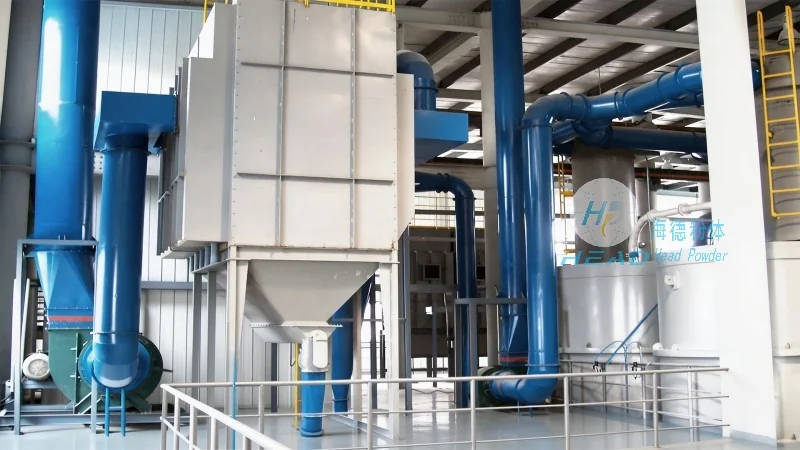
When selecting the appropriate method for gypsum granules transportation, several factors must be considered. The first is the distance and layout of the facility, as this determines whether a horizontal or vertical system is needed. The second is the volume and characteristics of the material, such as size, moisture content, and density, which influence the choice of equipment. The third is the environmental and safety requirements, as some methods may be more suitable for enclosed or dust-free environments. Shandong HeadPowder Engineering Co., Ltd. assists clients in evaluating these factors and recommending the most suitable transportation method. The company's team of engineers conducts thorough assessments of the application, considering all relevant parameters to ensure that the chosen system meets the operational and safety standards. By taking into account these factors, businesses can select a transportation method that enhances productivity, reduces costs, and ensures the safe handling of gypsum granules.
7. Maintenance and Operational Considerations
Proper maintenance and operational practices are essential for the longevity and efficiency of gypsum granules transportation systems. Regular inspection and maintenance of components such as belts, screws, and pipelines are crucial to prevent breakdowns and ensure consistent performance. HeadPowder emphasizes the importance of routine maintenance in its equipment, providing guidelines and support to clients to keep their systems in optimal condition. Operational considerations also include the speed and load capacity of the system, which must be adjusted according to the volume of material being transported. Overloading or operating at excessive speeds can lead to equipment wear and reduced lifespan. Shandong HeadPowder Engineering Co., Ltd. offers maintenance services and training to help clients maximize the performance of their transportation systems and minimize downtime. By following recommended maintenance schedules and operational guidelines, businesses can ensure that their gypsum granules transportation systems operate efficiently and reliably for years to come.
8. Conclusion
In conclusion, the transportation of gypsum granules requires careful consideration of the available methods and the specific needs of the application. Shandong HeadPowder Engineering Co., Ltd. provides a range of solutions, from belt conveyors and pneumatic systems to screw conveyors and bucket elevators, tailored to meet the diverse requirements of industrial processes. By understanding the advantages and limitations of each method, businesses can select the most suitable transportation solution, enhancing productivity, reducing costs, and ensuring the safe handling of gypsum granules. With its expertise and commitment to quality, HeadPowder continues to deliver reliable and efficient transportation solutions for the gypsum industry, supporting clients in achieving their operational goals.

 Shandong Headpowder Engineering Co., Ltd.
 156-6277-7102(Quản lý Trương)
  0531-83386006
  Thành phố Tế Nam, Tỉnh Sơn Đông, Trung Quốc
Điện thoại
WeChatTư vấn
Lên đầu