Chuyên sâu trong lĩnh vực vật liệu rời công nghiệp, cung cấp giải pháp môi trường thông minh tích hợp cho phối trộn tự động, cấp liệu tập trung, khử lưu huỳnh và khử nitơ khô!
When it comes to the safe and efficient transportation of lithium batteries, understanding the various methods available is crucial for businesses involved in the battery supply chain. Proper handling techniques not only ensure compliance with safety regulations but also minimize the risk of damage or accidents during transit. In this article, we will explore the different approaches to lithium battery transportation, highlighting the key considerations and solutions offered by industry experts.

Understanding Lithium Battery Transportation Requirements
Lithium batteries are widely used in various applications, from consumer electronics to electric vehicles and renewable energy systems. Due to their high energy density and potential for thermal runaway, handling these batteries requires specialized knowledge and equipment. The transportation methods employed must align with safety standards such as IEC 62133 and local regulations to prevent hazards like fire or explosion. Companies operating in this sector must prioritize the selection of appropriate transportation methods to protect both their assets and personnel.
Common Methods of Lithium Battery Transportation
There are several established methods for transporting lithium batteries, each with its own advantages and suitable applications. The choice of method depends on factors like battery size, weight, quantity, and the specific environment of the operation. Below are some of the most common approaches:
Manual Handling and Palletizing
Manual handling remains a common method for transporting smaller quantities of lithium batteries, especially in settings where automated systems are not feasible or cost-effective. This approach involves using pallets or containers to organize batteries and then moving them using manual labor. Workers are trained to follow strict safety protocols, such as wearing protective gear and using proper lifting techniques to prevent injuries. While manual handling is straightforward, it may not be suitable for high-volume operations or large battery packs, as it can lead to increased labor costs and potential human error.
Mechanical Handling Equipment
For medium to large-scale operations, mechanical handling equipment offers a more efficient solution. This category includes forklifts, pallet jacks, and automated guided vehicles (AGVs). These machines are designed to lift and move pallets loaded with lithium batteries, reducing the physical strain on workers and increasing the speed of transportation. Mechanical handling equipment is particularly useful in warehouses and manufacturing facilities where batteries are frequently moved between storage and production areas. However, it is essential to ensure that the equipment used is compatible with the weight and dimensions of the batteries to avoid overloading or damage.
Automated Material Handling Systems
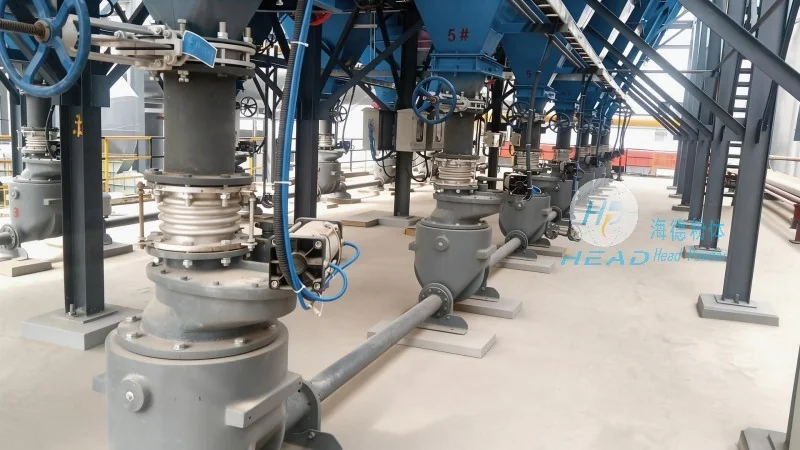
In high-volume manufacturing and logistics environments, automated material handling systems provide the most efficient and reliable method of lithium battery transportation. These systems often integrate conveyor belts, robotic arms, and warehouse management software to streamline the entire process. Automated systems can handle large batches of batteries with minimal human intervention, reducing the risk of errors and improving overall productivity. Companies like Shandong HeadPowder Engineering Co., Ltd. specialize in designing and implementing such systems, ensuring that they meet the specific needs of their clients while adhering to safety standards. By leveraging automation, businesses can achieve greater consistency and scalability in their battery transportation operations.
Specialized Transportation Solutions
For unique or high-value lithium battery applications, specialized transportation solutions may be required. This includes methods such as containerized shipping, where batteries are loaded into secure containers for long-distance transport. Additionally, some industries may use specialized vehicles or trailers designed to accommodate the unique dimensions and weight of large battery packs. These solutions are often used in the electric vehicle and energy storage sectors, where batteries are transported from manufacturing facilities to end-users or installation sites. The key to success with specialized transportation is careful planning and adherence to all relevant safety guidelines to ensure the batteries arrive at their destination intact and without incident.
Key Considerations for Safe Lithium Battery Transportation
Regardless of the method chosen, several critical factors must be considered to ensure the safe transportation of lithium batteries. First, proper packaging is essential to protect the batteries from physical damage and prevent short circuits. This may involve using protective casings, foam inserts, or anti-static materials, depending on the battery type and size. Second, temperature control is vital, as lithium batteries are sensitive to extreme temperatures that can trigger thermal runaway. Transportation vehicles should be equipped with temperature monitoring systems to maintain optimal conditions during transit. Third, regular inspections and maintenance of transportation equipment are necessary to ensure that all components are in good working order and free from defects. Finally, training and certification of personnel involved in battery handling are crucial to minimize the risk of accidents and ensure compliance with regulations.
Conclusion
Choosing the right method of lithium battery transportation is a critical decision for any business involved in the battery industry. By understanding the various options available and considering factors such as safety, efficiency, and cost, companies can select the most appropriate solution for their needs. Whether through manual handling, mechanical equipment, or automated systems, the goal is to ensure that lithium batteries are transported safely and effectively. Shandong HeadPowder Engineering Co., Ltd. offers comprehensive solutions for lithium battery transportation, combining expertise in engineering, safety, and logistics to meet the diverse needs of their clients. With their commitment to quality and compliance, businesses can trust that their lithium battery transportation needs are handled with the utmost care and professionalism.

 Shandong Headpowder Engineering Co., Ltd.
 156-6277-7102(Quản lý Trương)
  0531-83386006
  Thành phố Tế Nam, Tỉnh Sơn Đông, Trung Quốc
Điện thoại
WeChatTư vấn
Lên đầu