Chuyên sâu trong lĩnh vực vật liệu rời công nghiệp, cung cấp giải pháp môi trường thông minh tích hợp cho phối trộn tự động, cấp liệu tập trung, khử lưu huỳnh và khử nitơ khô!
Calcium phosphate is a vital material across industries such as pharmaceuticals, food processing, and chemical manufacturing. Efficient transport of this material is crucial for maintaining production flow and ensuring product quality. This article examines the primary methods used for calcium phosphate transport, highlighting key considerations and technologies to optimize handling.
Overview of Calcium Phosphate Transport
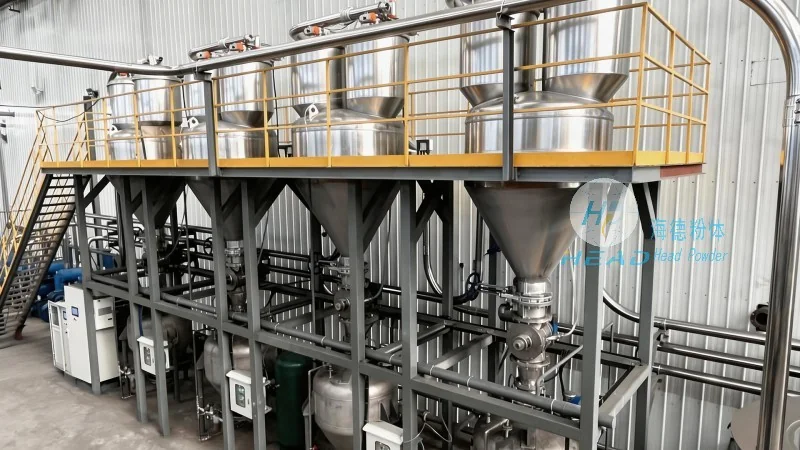
Calcium phosphate, often in powder or granule form, requires specialized handling due to its physical properties. These materials can be abrasive, hygroscopic, or have specific flow characteristics that influence transport method selection. The goal of any transport system is to move material from storage to processing equipment with minimal loss, contamination, or degradation. Factors like material characteristics, distance, volume, and dust control needs must be evaluated when choosing a transport approach.
Common Transport Methods for Calcium Phosphate
Several established methods exist for calcium phosphate transport, each addressing unique handling challenges. The most prevalent include mechanical conveying systems, pneumatic conveying, and gravity-based systems. Each method is tailored to specific operational requirements and material properties.
Mechanical Conveying Systems
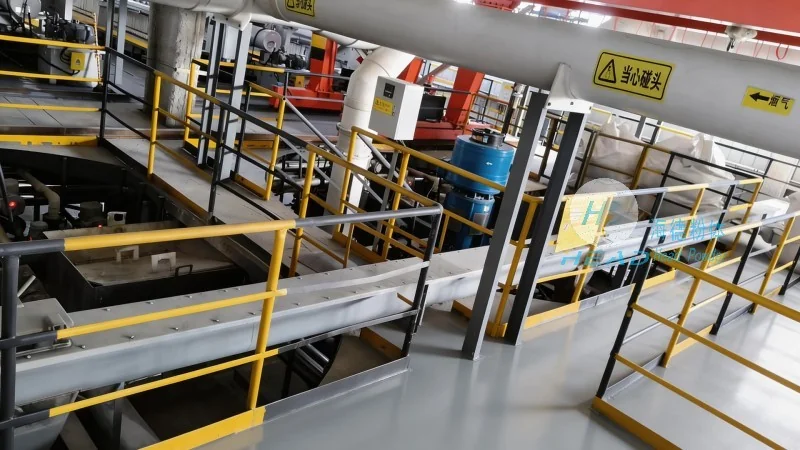
Mechanical conveying systems are widely used for calcium phosphate transport due to their ability to handle large volumes and abrasive materials. These systems typically consist of screw conveyors, belt conveyors, and bucket elevators. Screw conveyors use a rotating helical screw to move material along a tube or trough, ideal for horizontal or slight incline transport. They effectively handle dry powders and granules without additional air or power beyond the screw motor. Belt conveyors, conversely, use a continuous belt over rollers, suitable for longer distances and larger bulk quantities. They often integrate with storage silos and processing lines to ensure steady material flow.
Pneumatic Conveying Systems
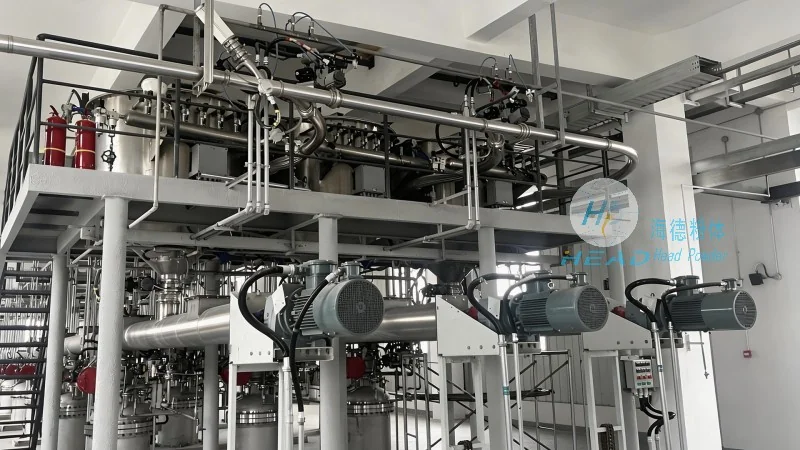
Pneumatic conveying systems utilize air or gases to transport calcium phosphate through pipelines. This method is ideal for dust-free or enclosed transport, as material remains contained within the pipeline. Two main types exist: positive displacement and pressure-assisted systems. Positive displacement systems use a pump to create vacuum or pressure for consistent flow, even with varying material density. Pressure-assisted systems use compressed air to push material, often more energy-efficient for shorter distances. Pneumatic conveying excels at moving material from storage silos to processing equipment, handling dry or slightly moist materials without clogging or degradation.
Gravity-Based Transport Systems
Gravity-based systems rely on natural gravity to move calcium phosphate from higher to lower elevations. These systems involve hoppers, chutes, and storage silos, allowing material to flow freely. Simple, low-cost, and low-maintenance, they are suitable for short distances and low volumes. However, they require sufficient vertical drop and may not handle horizontal transport or poor-flowing materials effectively. They often supplement other systems for additional functionality.
Key Considerations for Calcium Phosphate Transport
When selecting a transport method, several factors must be carefully assessed. Material properties—such as particle size, moisture content, and abrasiveness—are critical. Highly abrasive materials may need specialized equipment like stainless steel or rubber-lined components to prevent wear. Distance between storage and processing areas, as well as required flow rates, also influence method choice. Dust control is paramount, as calcium phosphate poses respiratory hazards. Enclosed systems (e.g., pneumatic conveyors or sealed screw conveyors) are recommended to minimize exposure and comply with occupational health regulations.
Conclusion
Efficient calcium phosphate transport is essential for industrial operations, and the optimal method depends on material properties, distance, and operational needs. Mechanical, pneumatic, and gravity-based systems each offer unique advantages for different applications. By evaluating these factors and selecting appropriate technology, companies can ensure reliable, safe, and cost-effective material movement. As a leading engineering solutions provider, Shandong HeadPowder Engineering Co., Ltd. specializes in designing and implementing customized transport systems tailored to calcium phosphate handling, ensuring optimal performance and compliance with industry standards.

 Shandong Headpowder Engineering Co., Ltd.
 156-6277-7102(Quản lý Trương)
  0531-83386006
  Thành phố Tế Nam, Tỉnh Sơn Đông, Trung Quốc
Điện thoại
WeChatTư vấn
Lên đầu