Chuyên sâu trong lĩnh vực vật liệu rời công nghiệp, cung cấp giải pháp môi trường thông minh tích hợp cho phối trộn tự động, cấp liệu tập trung, khử lưu huỳnh và khử nitơ khô!
Dry powder transportation is a critical process in various industries, including chemical, food, pharmaceutical, and construction. The efficiency and safety of transporting dry powders directly impact production quality and operational costs. As a leading provider in the field, Shandong HeadPowder Engineering Co., Ltd. specializes in offering advanced solutions for dry powder handling and transportation. This article explores the primary methods used for dry powder transportation, highlighting the key considerations and applications.
1. Pneumatic Conveying Systems

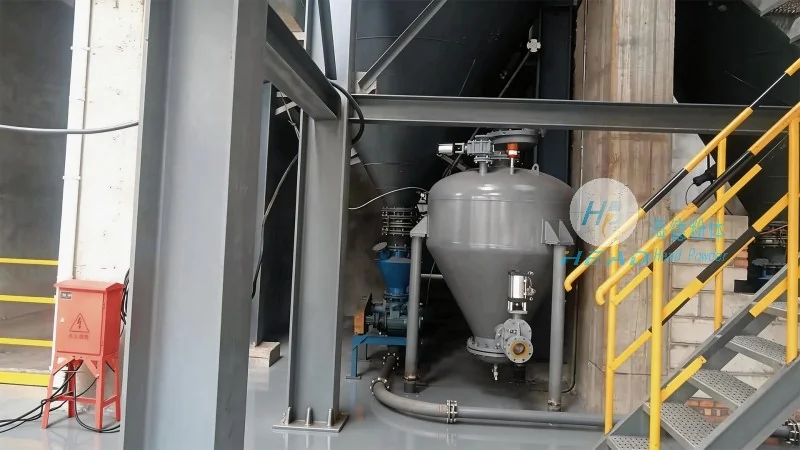
Pneumatic conveying, also known as air-assisted transport, is one of the most common methods for dry powder transportation. This technology uses compressed air or other gases to move powders through a pipeline. There are two main types of pneumatic conveying systems: pressure and vacuum. Pressure systems use positive pressure to push powders from a source to a destination, while vacuum systems use negative pressure to pull powders. Pneumatic conveying is ideal for transporting powders over long distances and can handle a wide range of materials, from fine powders to bulk materials. The system typically includes a hopper, a conveyor line, and a receiver. The compressed air is introduced at the inlet, creating a flow that carries the powder particles through the pipeline. This method is particularly effective for materials that are sensitive to moisture or contamination, as the enclosed system prevents exposure to the environment. Shandong HeadPowder Engineering Co., Ltd. offers customized pneumatic conveying solutions tailored to specific material characteristics and operational requirements.
2. Mechanical Conveying Systems
Mechanical conveying systems utilize mechanical components to transport dry powders. These systems are generally more suitable for shorter distances and bulkier materials compared to pneumatic systems. Common mechanical conveyors include screw conveyors, belt conveyors, and bucket elevators. Screw conveyors use a rotating screw to move powders along a trough. They are simple in design and can handle a variety of materials, including those with high moisture content. Belt conveyors use a continuous belt to transport powders horizontally or at a slight incline. This method is efficient for transporting large quantities of powders over moderate distances. Bucket elevators use a vertical or inclined conveyor with buckets attached to a chain or belt to lift powders. They are ideal for vertical transportation and can handle materials that are prone to caking or bridging. Mechanical conveyors are often preferred in industries where energy efficiency and low maintenance are priorities. Shandong HeadPowder Engineering Co., Ltd. provides robust mechanical conveying solutions that ensure reliable and consistent powder flow.
3. Hydraulic Conveying Systems
Hydraulic conveying systems use water or other liquids to transport dry powders. This method is particularly effective for materials that are difficult to handle by pneumatic or mechanical means, such as highly abrasive or corrosive powders. The system involves mixing the powder with a liquid to form a slurry, which is then pumped through a pipeline. The slurry is later separated from the liquid, and the powder is recovered. Hydraulic conveying is commonly used in mining and mineral processing industries for transporting ore and other bulk materials. It offers high capacity and can handle materials with high moisture content. However, the system requires additional equipment for slurry separation and may increase water usage. Shandong HeadPowder Engineering Co., Ltd. specializes in designing hydraulic conveying systems that optimize material transport while minimizing environmental impact.
4. Vacuum Conveying Systems
Vacuum conveying systems are a type of pneumatic conveying that uses negative pressure to transport powders. These systems are ideal for applications where the source and destination are at different elevations or require a gentle handling process. The system includes a vacuum pump, a collection hopper, and a conveying line. The vacuum pump creates a low-pressure environment that draws powders from the source into the hopper. The powders are then transported through the line to the destination. Vacuum conveying is particularly effective for fine powders and materials that are sensitive to impact or abrasion. It is commonly used in pharmaceutical and food industries where product integrity is paramount. Shandong HeadPowder Engineering Co., Ltd. offers advanced vacuum conveying solutions that ensure minimal product degradation and efficient transport.

5. Combination Systems
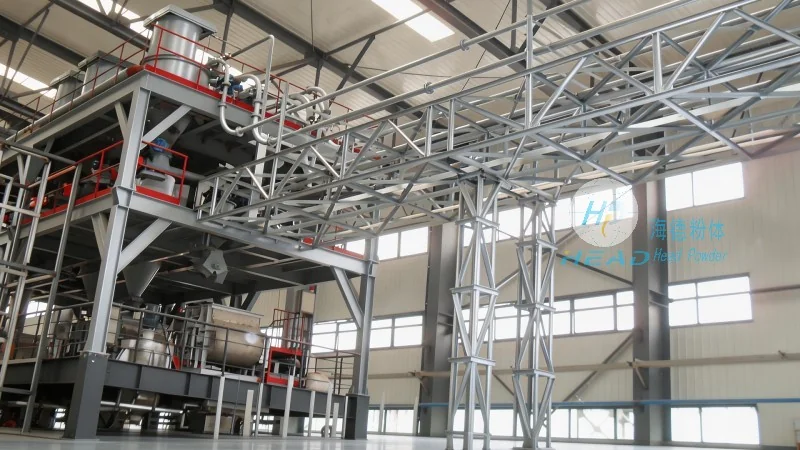
In many industrial applications, a single conveying method may not be sufficient to meet all requirements. Combination systems, which integrate multiple conveying technologies, are often used to achieve optimal performance. For example, a system may use pneumatic conveying for long-distance transport and mechanical conveying for short-distance handling. Combination systems allow for flexibility and can handle a wide range of materials and operational conditions. Shandong HeadPowder Engineering Co., Ltd. specializes in designing and implementing combination systems that address specific client needs, ensuring efficient and reliable dry powder transportation.
Choosing the right dry powder transportation method depends on several factors, including the material properties, distance to be covered, and operational environment. Shandong HeadPowder Engineering Co., Ltd. provides comprehensive consultation and customized solutions to help clients select the most appropriate method for their specific applications. By leveraging advanced technology and industry expertise, the company ensures that dry powder transportation is efficient, safe, and cost-effective. Whether it's pneumatic, mechanical, hydraulic, or a combination of systems, Shandong HeadPowder Engineering Co., Ltd. is committed to delivering high-quality solutions that meet the evolving needs of the industry.

 Shandong Headpowder Engineering Co., Ltd.
 156-6277-7102(Quản lý Trương)
  0531-83386006
  Thành phố Tế Nam, Tỉnh Sơn Đông, Trung Quốc
Điện thoại
WeChatTư vấn
Lên đầu