Chuyên sâu trong lĩnh vực vật liệu rời công nghiệp, cung cấp giải pháp môi trường thông minh tích hợp cho phối trộn tự động, cấp liệu tập trung, khử lưu huỳnh và khử nitơ khô!
Gelatin, a versatile and widely used ingredient in various industries, requires efficient and reliable conveying systems to ensure smooth production processes. The methods used for gelatin transportation play a crucial role in maintaining product quality and operational efficiency. This article explores the primary methods of gelatin conveying, highlighting the key considerations and applications in industrial settings.
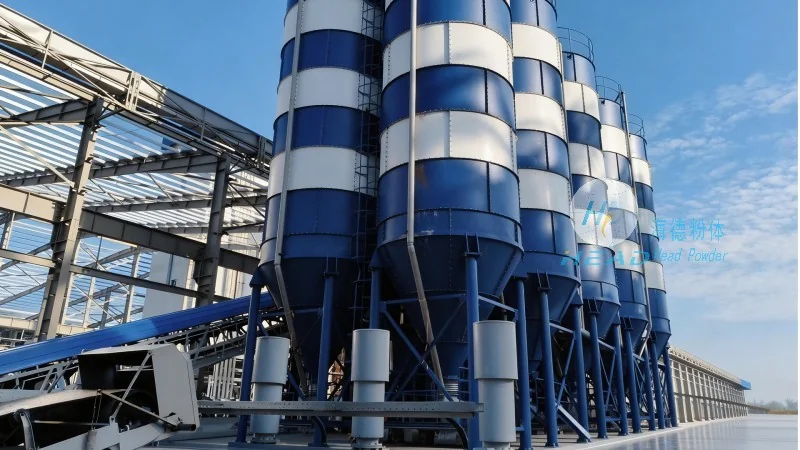
About HeadPowder Engineering
Shandong HeadPowder Engineering Co., Ltd., a leading manufacturer based in Shandong, China, specializes in providing advanced conveying solutions for the food and pharmaceutical industries. With years of experience and a commitment to quality, HeadPowder offers tailored systems that meet the specific needs of gelatin handling and processing.
Common Gelatin Conveying Methods
Several methods are commonly employed for gelatin transportation, each with its own advantages and suitable applications. The choice of method depends on factors such as the gelatin's consistency, production volume, and the desired level of automation. Below are some of the most prevalent approaches:
1. Screw Conveyors
Screw conveyors, also known as auger conveyors, are widely used for gelatin conveying due to their ability to handle semi-solid materials. These systems consist of a rotating screw within a trough, which moves the gelatin from one point to another. Screw conveyors are particularly effective for materials with a low to medium viscosity, ensuring consistent flow and minimal product degradation. They are often used in batch processing and can be integrated with other equipment for seamless operation.
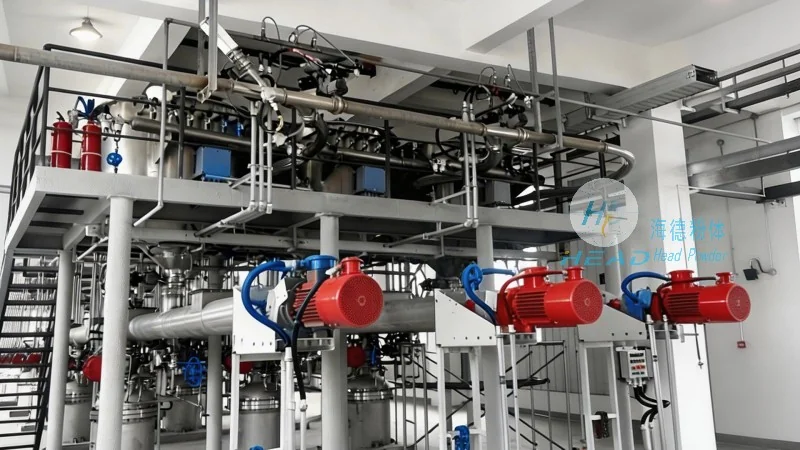
2. Pneumatic Conveying Systems
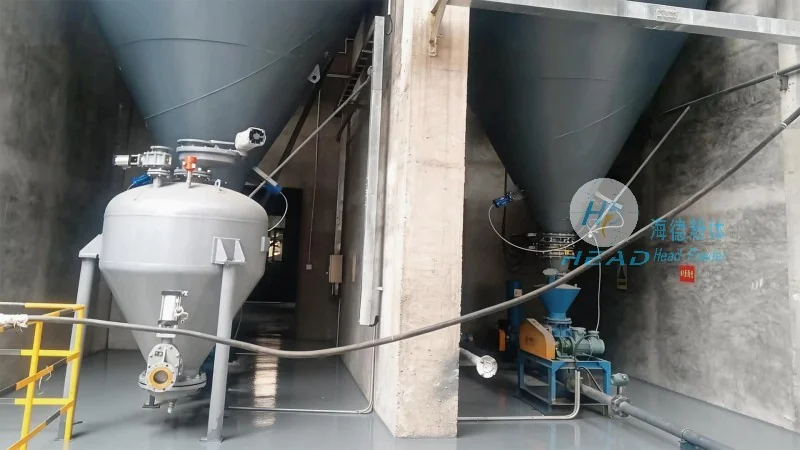
Pneumatic conveying systems utilize air or gas to transport gelatin particles or slurry through a pipeline. This method is ideal for handling fine gelatin powders or granules, as it minimizes product contact with equipment and reduces the risk of contamination. Pneumatic systems can be either positive or negative pressure, with positive pressure being more common for gelatin due to its low dust generation. These systems are suitable for long-distance transportation and can be designed to handle varying flow rates, making them versatile for different production scales.
3. Belt Conveyors
Belt conveyors are another popular option for gelatin conveying, especially in applications requiring continuous and high-volume transport. These systems use a continuous belt that moves the gelatin along a fixed path, often with the help of rollers or idlers to maintain tension and direction. Belt conveyors are effective for both dry and wet gelatin, as they can handle a wide range of material characteristics. They are commonly used in packaging lines and for transferring gelatin from storage to processing areas, ensuring a stable and efficient flow.
4. Hydraulic Conveying
Hydraulic conveying systems employ fluid pressure to move gelatin through pipes. This method is particularly useful for handling viscous gelatin or slurry, as the fluid provides the necessary force to overcome resistance and maintain flow. Hydraulic systems are often used in industries where high pressure and precision are required, such as in pharmaceutical manufacturing. They offer a controlled and consistent delivery of gelatin, reducing the risk of clogging and ensuring product integrity.
Factors Influencing the Choice of Conveying Method
The selection of an appropriate gelatin conveying method depends on several key factors, including the material's physical properties, production requirements, and operational constraints. For instance, the viscosity and particle size of the gelatin will determine whether a screw or pneumatic system is more suitable. Additionally, the production volume and the distance over which the gelatin needs to be transported will influence the choice of equipment. Cost considerations, maintenance requirements, and the need for hygiene and sanitation are also critical factors that manufacturers must evaluate when choosing a conveying system.
HeadPowder's Expertise in Gelatin Conveying Solutions
Shandong HeadPowder Engineering Co., Ltd. leverages its expertise in mechanical engineering and material handling to design and manufacture customized gelatin conveying systems. The company's team of engineers works closely with clients to understand their specific needs and develop solutions that optimize efficiency and product quality. HeadPowder's products are designed to meet industry standards and are built with durable materials to ensure long-term performance. Whether it's a screw conveyor, pneumatic system, or belt conveyor, HeadPowder provides reliable and efficient solutions tailored to the unique requirements of each client.
Conclusion
Gelatin conveying is a critical aspect of industrial production, and the choice of method significantly impacts operational efficiency and product quality. By understanding the various conveying options and their applications, manufacturers can select the most suitable system for their needs. Shandong HeadPowder Engineering Co., Ltd. stands as a trusted partner in providing advanced gelatin conveying solutions, ensuring that production processes run smoothly and efficiently. With a focus on quality and customer satisfaction, HeadPowder continues to serve the industry with innovative and reliable equipment.

 Shandong Headpowder Engineering Co., Ltd.
 156-6277-7102(Quản lý Trương)
  0531-83386006
  Thành phố Tế Nam, Tỉnh Sơn Đông, Trung Quốc
Điện thoại
WeChatTư vấn
Lên đầu