Chuyên sâu trong lĩnh vực vật liệu rời công nghiệp, cung cấp giải pháp môi trường thông minh tích hợp cho phối trộn tự động, cấp liệu tập trung, khử lưu huỳnh và khử nitơ khô!
Desulfurization sodium bicarbonate, also known as sodium bicarbonate used in flue gas desulfurization processes, is a critical chemical reagent in industrial applications. The efficient transportation of this material is essential to ensure smooth operations in power plants, chemical factories, and other industrial facilities. This article will explore the various transportation methods available for desulfurization sodium bicarbonate, highlighting the key considerations and practical approaches adopted by industry professionals.
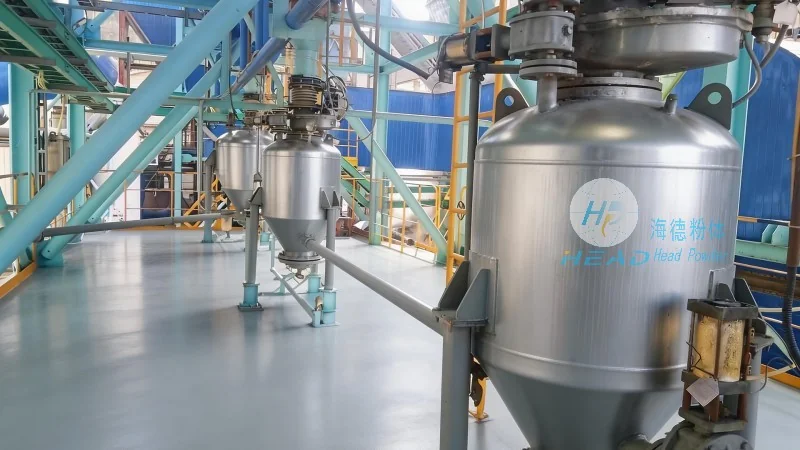
Overview of Desulfurization Sodium Bicarbonate
Desulfurization sodium bicarbonate, or sodium bicarbonate (NaHCO₃) used in flue gas desulfurization (FGD), plays a vital role in reducing sulfur dioxide emissions from combustion processes. It is typically produced through the reaction of sodium carbonate with carbon dioxide and water, or via the carbonation of sodium hydroxide solutions. The material is often in a solid powder or granular form, with specific properties such as solubility, reactivity, and density that influence its handling and transportation requirements. Understanding these characteristics is fundamental to selecting the appropriate transportation method.
Key Considerations for Transportation
When selecting a transportation method for desulfurization sodium bicarbonate, several factors must be taken into account. These include the scale of the operation (small-scale or bulk), the distance between the production site and the application site, the environmental regulations governing the transport of chemicals, and the specific handling requirements of the material. Additionally, the cost-effectiveness of each method, the availability of infrastructure, and the need for specialized equipment or personnel are critical considerations. By evaluating these factors, companies can determine the most suitable transportation approach that balances efficiency, safety, and compliance with industry standards.
Common Transportation Methods
Several transportation methods are commonly employed for desulfurization sodium bicarbonate, each with its own advantages and limitations. The choice of method often depends on the volume of material being transported, the distance, and the infrastructure available at the source and destination. The primary methods include:
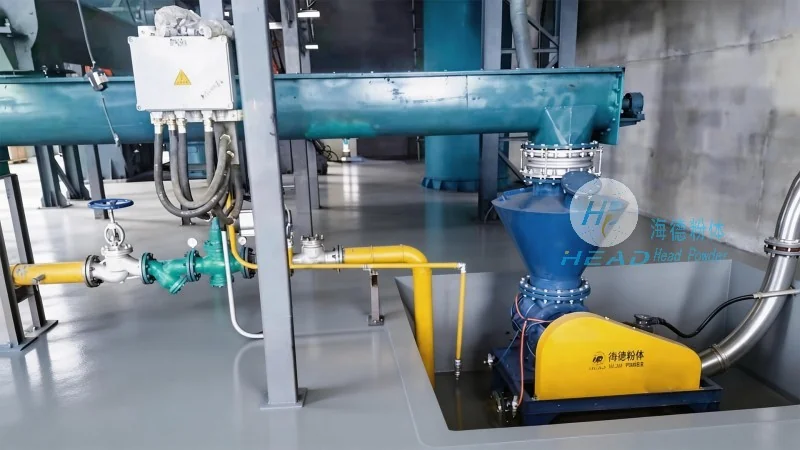
Pipeline Transportation
Pipeline transportation is a highly efficient method for moving large volumes of desulfurization sodium bicarbonate over long distances. This method involves pumping the material through a closed pipeline system, typically using high-pressure pumps and specialized piping designed to handle the chemical's properties. The pipeline system can be integrated with the existing infrastructure of the power plant or industrial facility, allowing for a continuous and automated supply of the reagent. This approach minimizes the need for manual handling and reduces the risk of spills or contamination. However, the initial investment in pipeline construction and maintenance can be substantial, and the system requires regular monitoring to ensure optimal performance.
Truck Transportation
Truck transportation is a widely used method for transporting desulfurization sodium bicarbonate, especially for smaller volumes or when the material needs to be delivered to multiple locations. This method involves loading the material into bulk trucks equipped with specialized containers, such as tankers or bulk transport vehicles. The trucks are designed to handle the chemical's characteristics, including its reactivity and potential for dust generation. The use of bulk trucks allows for flexibility in delivery schedules and can accommodate short notice or emergency deliveries. However, truck transportation may be subject to traffic congestion, weather conditions, and regulatory restrictions on the transport of hazardous materials. Proper safety measures, such as secure loading, proper labeling, and adherence to transportation regulations, are essential to ensure safe and compliant delivery.
Railway Transportation
Railway transportation is another viable option for the movement of desulfurization sodium bicarbonate, particularly for bulk shipments over long distances. This method involves loading the material into railcars specifically designed for bulk chemical transport. The railcars are equipped with features such as venting systems, pressure relief valves, and secure containment to prevent leaks or spills during transit. Railway transportation offers advantages such as lower fuel consumption per ton-mile compared to trucking, reduced traffic congestion, and the ability to transport large volumes efficiently. However, the infrastructure requirements, including rail access and loading facilities, may limit the availability of this method in some regions. Additionally, the scheduling and coordination of rail shipments may require advance planning to ensure timely delivery.
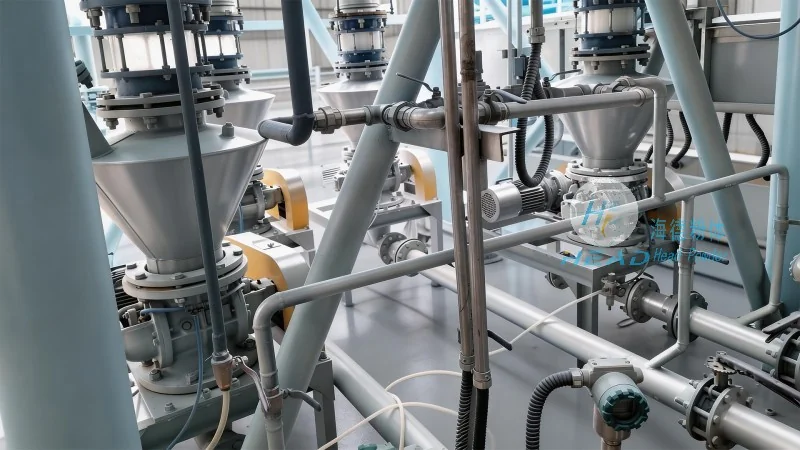
Containerized Transportation
Containerized transportation, often using bulk containers or intermediate bulk containers (IBCs), is suitable for transporting desulfurization sodium bicarbonate in smaller quantities or for intermodal transport. This method involves loading the material into containers that are designed to protect it from environmental factors and ensure safe handling during transit. The containers can be transported by truck, rail, or ship, providing flexibility in the supply chain. Containerized transportation is particularly useful for companies that require a steady but not continuous supply of the reagent, or for those operating in regions with limited pipeline or railway infrastructure. The use of standardized containers also facilitates easier storage and handling at the destination, reducing the risk of damage or contamination.
Specialized Handling and Safety Measures
Regardless of the transportation method chosen, specialized handling and safety measures are essential to ensure the safe and efficient movement of desulfurization sodium bicarbonate. These measures include proper packaging to prevent leaks or spills, appropriate labeling to indicate the chemical's hazards, and adherence to all relevant transportation regulations, such as those outlined by the International Maritime Organization (IMO) or the U.S. Department of Transportation (DOT). Additionally, personnel involved in the transportation process must be trained in the handling and emergency response procedures for the material. Regular inspections of equipment and vehicles are also necessary to identify and address any potential issues before they lead to accidents or disruptions.
Conclusion
In conclusion, the transportation of desulfurization sodium bicarbonate requires careful consideration of various factors, including the material's properties, the scale of the operation, and the available infrastructure. By selecting the appropriate transportation method—such as pipeline, truck, railway, or containerized transport—and implementing proper safety measures, companies can ensure the reliable and efficient supply of this critical chemical reagent. The choice of method should be tailored to the specific needs of the operation, balancing cost, efficiency, and compliance with industry standards. As the demand for desulfurization processes continues to grow, the development of innovative transportation solutions will remain crucial in supporting the sustainable operation of industrial facilities worldwide.

 Shandong Headpowder Engineering Co., Ltd.
 156-6277-7102(Quản lý Trương)
  0531-83386006
  Thành phố Tế Nam, Tỉnh Sơn Đông, Trung Quốc
Điện thoại
WeChatTư vấn
Lên đầu