Chuyên sâu trong lĩnh vực vật liệu rời công nghiệp, cung cấp giải pháp môi trường thông minh tích hợp cho phối trộn tự động, cấp liệu tập trung, khử lưu huỳnh và khử nitơ khô!
When it comes to the efficient and safe handling of calcium oxide dry powder, selecting the right transportation method is crucial for industrial applications. As a leading manufacturer in the field, Shandong HeadPowder Engineering Co., Ltd. specializes in providing advanced solutions tailored to meet the diverse needs of clients across various industries. This article explores the primary methods for transporting calcium oxide dry powder, highlighting the key considerations and benefits associated with each approach.

Pneumatic Conveying Systems
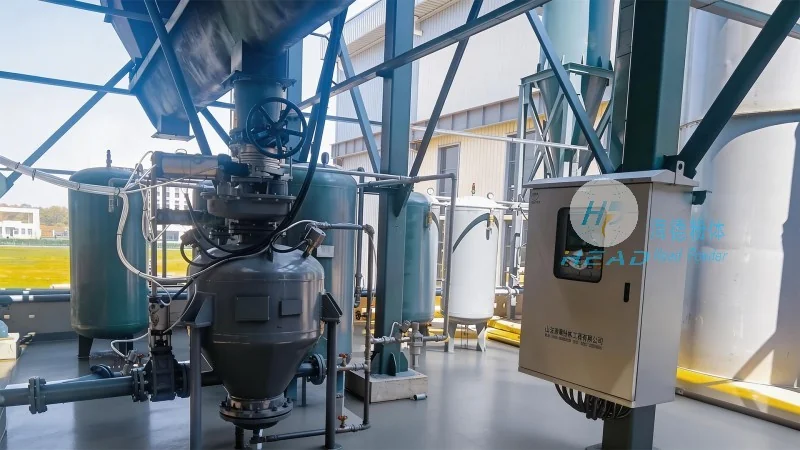
Pneumatic conveying is a widely used method for transporting calcium oxide dry powder due to its ability to handle fine powders over long distances with minimal dust generation. This system operates by using compressed air or other gases to move the powder through a pipeline. There are two main types of pneumatic conveying: pressure and vacuum systems. Pressure systems are suitable for short to medium distances and can handle higher material loads, while vacuum systems are ideal for longer distances and more delicate powders. The choice between these systems depends on factors such as the distance between the source and destination, the required flow rate, and the characteristics of the calcium oxide powder, including its particle size and moisture content. Pneumatic conveying offers advantages like reduced labor costs, improved safety by eliminating manual handling, and the ability to integrate with other processing equipment. However, it requires careful design to prevent material degradation and ensure consistent flow. Shandong HeadPowder Engineering Co., Ltd. offers customized pneumatic conveying solutions that optimize performance and reliability for calcium oxide transportation.
Screw Conveyors
Screw conveyors, also known as auger conveyors, are another effective method for transporting calcium oxide dry powder, particularly in applications where horizontal or slight incline movement is required. These systems consist of a rotating screw (auger) inside a cylindrical tube, which pushes the powder forward as it rotates. Screw conveyors are simple in design, easy to install, and can be integrated into existing processing lines. They are suitable for handling bulk quantities of calcium oxide powder and can operate continuously with minimal maintenance. The key advantages of screw conveyors include their ability to handle a wide range of particle sizes, from fine powders to larger granules, and their low power consumption. However, they may not be suitable for very long vertical lifts or for powders that are prone to caking or bridging. Proper selection of the screw pitch and speed is essential to prevent material buildup and ensure smooth operation. Shandong HeadPowder Engineering Co., Ltd. provides screw conveyor systems designed to handle the specific characteristics of calcium oxide, ensuring efficient and reliable transport with minimal product degradation.
Belt Conveyors
Belt conveyors are a common choice for transporting calcium oxide dry powder in bulk, especially in applications involving long horizontal distances or multiple stages of processing. These systems use a continuous belt that moves over rollers or pulleys to transport the powder from one location to another. Belt conveyors are highly efficient, capable of handling large volumes of material at high speeds, and can be customized with various accessories such as feeders, dividers, and elevators. The choice of belt material is critical, as calcium oxide powder can be abrasive and may cause wear on the conveyor belt. High-quality, abrasion-resistant belts are recommended to extend the service life of the system. Belt conveyors offer advantages like low maintenance costs, high throughput, and the ability to transport materials over long distances with minimal energy consumption. However, they require regular inspection and maintenance to prevent belt slippage or damage. Shandong HeadPowder Engineering Co., Ltd. designs and manufactures belt conveyor systems that are optimized for calcium oxide powder, ensuring consistent performance and durability.

Bucket Elevators
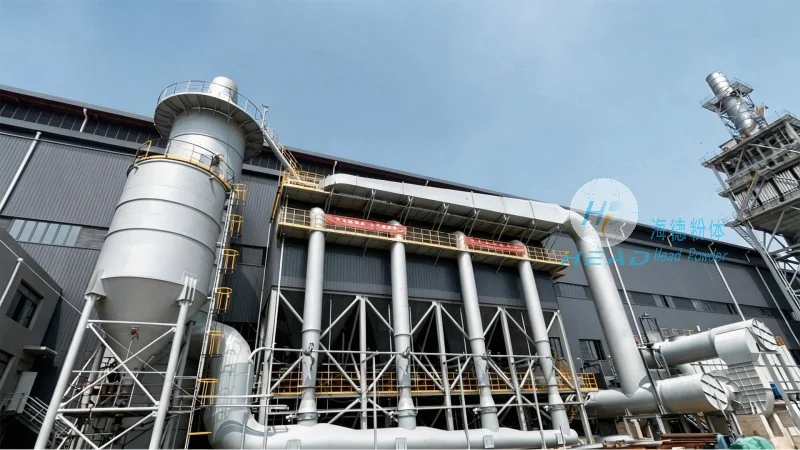
For vertical or inclined transportation of calcium oxide dry powder, bucket elevators are an effective solution. These systems consist of a vertical or inclined conveyor with a series of buckets attached to a chain or belt. As the conveyor rotates, the buckets scoop up the powder and lift it to the desired height, then discharge it at the top. Bucket elevators are ideal for applications where vertical movement is necessary, such as in silos or storage facilities. They are capable of handling a wide range of powder characteristics, including fine powders and those with high moisture content. The main advantages of bucket elevators include their ability to transport materials vertically with high efficiency and minimal space requirements. However, they require careful design to prevent material spillage and ensure smooth operation. Proper bucket spacing and chain tension are essential to avoid material buildup or blockages. Shandong HeadPowder Engineering Co., Ltd. offers bucket elevator systems that are specifically engineered for calcium oxide powder, ensuring reliable vertical transport with low maintenance.
Hydraulic Conveying
Hydraulic conveying, also known as slurry transport, is a method that involves mixing calcium oxide dry powder with a liquid carrier, typically water or a specialized fluid, to form a slurry. This slurry is then pumped through pipelines to the destination. Hydraulic conveying is particularly useful for transporting calcium oxide powder over long distances, especially in applications where pneumatic or mechanical systems are not feasible. The key advantage of this method is its ability to handle very fine powders and large volumes of material with high efficiency. However, it requires additional equipment for slurry preparation and separation, such as mixers and filters. The choice of liquid carrier is critical, as it must be compatible with the calcium oxide powder and not cause degradation or caking. Proper control of the slurry concentration and flow rate is essential to ensure smooth transport and prevent pipeline blockages. Shandong HeadPowder Engineering Co., Ltd. provides hydraulic conveying solutions that optimize the slurry process for calcium oxide powder, ensuring efficient and reliable transportation with minimal environmental impact.

 Shandong Headpowder Engineering Co., Ltd.
 156-6277-7102(Quản lý Trương)
  0531-83386006
  Thành phố Tế Nam, Tỉnh Sơn Đông, Trung Quốc
Điện thoại
WeChatTư vấn
Lên đầu