Chuyên sâu trong lĩnh vực vật liệu rời công nghiệp, cung cấp giải pháp môi trường thông minh tích hợp cho phối trộn tự động, cấp liệu tập trung, khử lưu huỳnh và khử nitơ khô!
Nickel sulfate is a critical chemical compound widely used in various industrial applications, including electroplating, battery production, and chemical synthesis. The efficient and safe transportation of nickel sulfate is essential to ensure the smooth operation of industrial processes. This article will explore the primary methods used for transporting nickel sulfate, focusing on the key approaches employed by industries worldwide. As a leading supplier of nickel sulfate and related chemical products, Shandong HeadPowder Engineering Co., Ltd. (headpowder) understands the importance of reliable transportation methods in maintaining product quality and customer satisfaction.
1. Pumping Systems for Nickel Sulfate Transport

One of the most common methods for transporting nickel sulfate is through pumping systems. These systems typically utilize centrifugal pumps or positive displacement pumps, depending on the viscosity and flow rate requirements of the solution. Centrifugal pumps are often preferred for their ability to handle large volumes of liquid at relatively low pressures, making them suitable for long-distance pipelines. Positive displacement pumps, such as gear pumps or piston pumps, are used when higher pressures or more precise flow control is needed. The choice of pump type depends on factors like the concentration of the nickel sulfate solution, the presence of solids or impurities, and the overall system pressure. In many industrial setups, pumping systems are integrated with storage tanks and filtration units to maintain the quality of the nickel sulfate during transport. This approach ensures that the chemical remains stable and free from contamination, which is crucial for downstream applications.
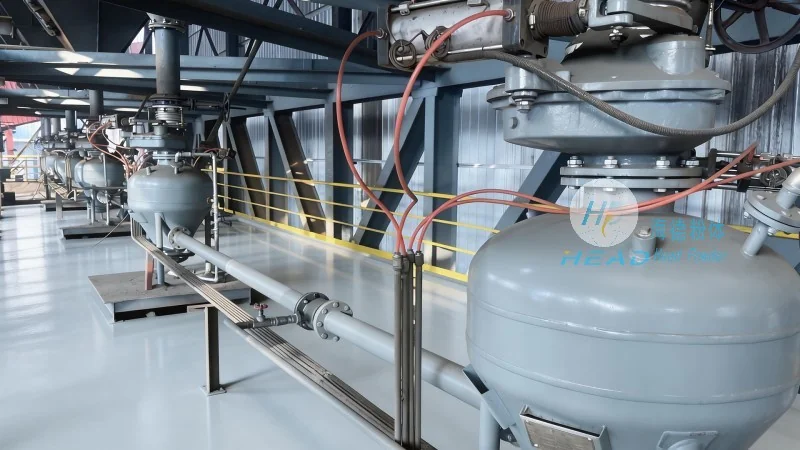
2. Pipeline Transportation
Pipeline transportation is another widely adopted method for moving nickel sulfate, especially for large-scale industrial operations. This method involves the use of specialized pipelines made from materials resistant to corrosion, such as stainless steel or polyethylene. The pipelines are designed to withstand the acidic nature of nickel sulfate and the potential for scaling or fouling over time. To prevent corrosion and maintain the integrity of the pipeline, regular maintenance and inspection are necessary. Additionally, pipeline systems often include valves, regulators, and monitoring equipment to control the flow rate and pressure. This ensures that the nickel sulfate is delivered to its destination in a controlled manner, minimizing the risk of spills or leaks. The use of pipelines offers several advantages, including lower operational costs compared to other methods, reduced labor requirements, and enhanced safety due to the enclosed system. However, pipeline transportation requires significant upfront investment in infrastructure and may not be feasible for smaller-scale operations or for transporting nickel sulfate to remote locations.
3. Tanker Truck Transport
For shorter distances or when direct delivery to a specific facility is required, tanker trucks are commonly used to transport nickel sulfate. These trucks are equipped with insulated tanks to maintain the temperature of the solution, as nickel sulfate can be sensitive to temperature changes. The tanks are typically made from corrosion-resistant materials, such as stainless steel or lined carbon steel, to prevent the chemical from reacting with the container. Before loading, the trucks undergo thorough cleaning and inspection to ensure that no residues from previous loads remain. This is critical to avoid cross-contamination, which could affect the quality of the nickel sulfate. During transport, the trucks are often equipped with temperature monitoring devices to ensure that the solution remains within the optimal temperature range. The drivers are trained to handle the trucks safely, following strict protocols to prevent spills or accidents. Tanker truck transport offers flexibility and can reach locations that are not easily accessible by pipelines. However, it is generally more expensive than pipeline transport and may have higher environmental risks due to the potential for leaks or spills.

4. Bulk Shipping via Railcars
In some cases, especially for bulk quantities of nickel sulfate, railcars are used for transportation. Railcars are specialized containers designed to carry large volumes of liquid chemicals. They are typically made from stainless steel or other corrosion-resistant materials to protect the nickel sulfate from degradation. The railcars are equipped with valves and pumps to facilitate the loading and unloading of the chemical. This method is particularly useful for transporting nickel sulfate over long distances, as rail networks can cover vast areas efficiently. However, rail transport may have longer lead times compared to truck transport and requires coordination with rail operators. The safety of rail transport is a critical consideration, as accidents involving chemical spills can have severe environmental and health consequences. Therefore, strict regulations and safety measures are in place to ensure the secure transportation of nickel sulfate via railcars.
5. Handling and Safety Considerations
Regardless of the transportation method used, proper handling and safety measures are essential to prevent accidents and ensure the quality of the nickel sulfate. All personnel involved in the transportation process should be trained on the properties of nickel sulfate, including its corrosive nature and potential health hazards. Personal protective equipment (PPE), such as gloves, goggles, and protective clothing, should be worn at all times when handling the chemical. The storage and transportation equipment should be regularly inspected and maintained to prevent leaks or failures. In the event of a spill or leak, appropriate response procedures should be followed, including containment, neutralization, and cleanup. Environmental regulations must be adhered to, as nickel sulfate can be harmful to aquatic life and soil if released into the environment. By following these safety guidelines, industries can ensure the safe and efficient transportation of nickel sulfate, minimizing risks and maintaining the integrity of the product.

 Shandong Headpowder Engineering Co., Ltd.
 156-6277-7102(Quản lý Trương)
  0531-83386006
  Thành phố Tế Nam, Tỉnh Sơn Đông, Trung Quốc
Điện thoại
WeChatTư vấn
Lên đầu