Chuyên sâu trong lĩnh vực vật liệu rời công nghiệp, cung cấp giải pháp môi trường thông minh tích hợp cho phối trộn tự động, cấp liệu tập trung, khử lưu huỳnh và khử nitơ khô!
High-alumina fly ash, a byproduct of coal combustion, is widely used in construction and industrial applications due to its beneficial properties. The efficient transportation of this material is crucial for ensuring consistent supply and minimizing operational disruptions. This article explores the various methods employed for transporting high-alumina fly ash, highlighting the key considerations and advantages of each approach.

Company Profile: Shandong HeadPowder Engineering Co., Ltd.
Shandong HeadPowder Engineering Co., Ltd., commonly known as HeadPowder, is a leading provider of solutions for the handling and transportation of high-value industrial materials. With a strong focus on innovation and customer satisfaction, the company has established itself as a trusted partner in the industry. HeadPowder operates from China, specifically in Shandong province, where it leverages local expertise and resources to deliver high-quality services tailored to the needs of its clients.
Common High-Alumina Fly Ash Transportation Methods
Several methods are commonly used to transport high-alumina fly ash, each with its own set of advantages and applications. The choice of method often depends on factors such as the distance of transport, the volume of material, and the specific requirements of the end-user. Below are the primary transportation methods:
Pneumatic Conveying Systems

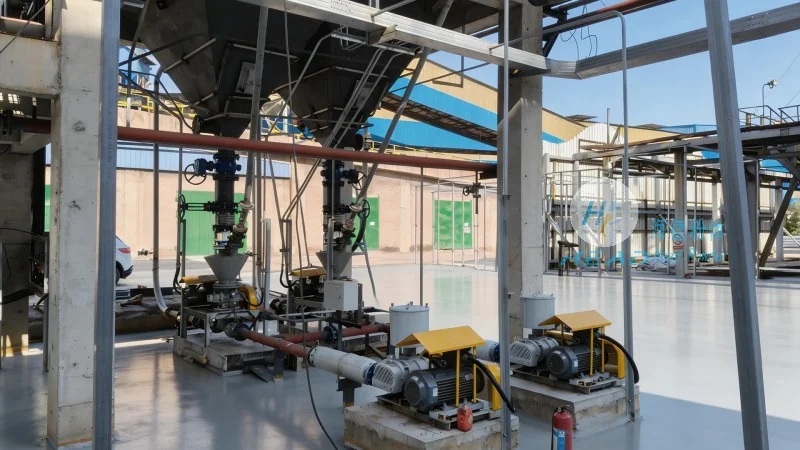
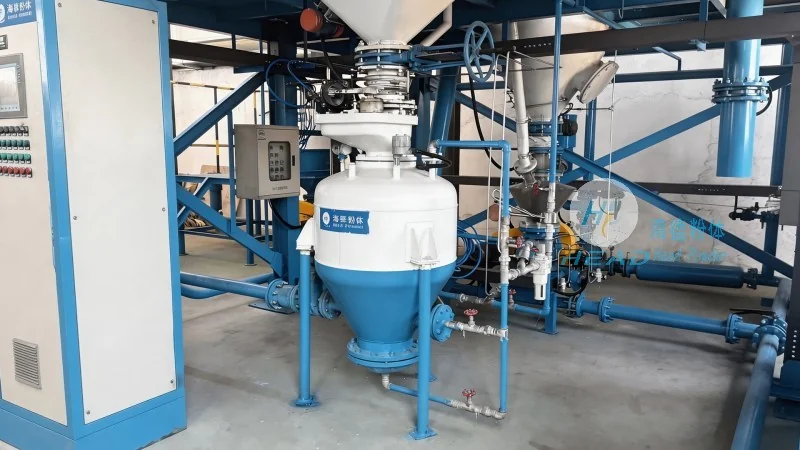
Pneumatic conveying is a popular method for transporting high-alumina fly ash, especially over short to medium distances. This system uses air pressure to move the material through a network of pipes. There are two main types of pneumatic conveying: positive displacement and pressure-assisted. Positive displacement systems use a pump to create a vacuum or pressure, while pressure-assisted systems rely on compressed air to push the material forward. Pneumatic conveying offers advantages such as high capacity, low maintenance, and the ability to transport materials in a closed system, which helps to prevent dust emissions and contamination. However, it may require higher energy consumption compared to other methods, and the system must be properly designed to handle the specific characteristics of high-alumina fly ash, such as its particle size and moisture content.
Truck and Rail Transportation
For longer distances, truck and rail transportation are widely used for the movement of high-alumina fly ash. Trucks are particularly suitable for shorter routes and can deliver the material directly to the customer's site. Rail transport, on the other hand, is more efficient for bulk shipments over longer distances, as it can carry larger volumes with fewer trips. Both truck and rail methods are cost-effective and reliable, making them a preferred choice for many industrial applications. However, they may be subject to traffic delays and logistical challenges, especially during peak periods. Additionally, proper handling and loading techniques are essential to prevent material spillage and ensure compliance with safety regulations.
Belt Conveyor Systems
Belt conveyor systems are another common method for transporting high-alumina fly ash, particularly in industrial settings where continuous material flow is required. These systems consist of a moving belt that transports the material from the source to the destination. Belt conveyors are known for their high capacity, durability, and low operational costs. They can be designed to handle a wide range of material types and particle sizes, including high-alumina fly ash. The main advantages of belt conveyors include their ability to transport materials over long distances with minimal maintenance and the option to integrate with other processing equipment. However, they may require regular inspection and maintenance to ensure proper operation and to prevent issues such as belt slippage or material buildup.
Hydraulic Conveying
Hydraulic conveying, also known as slurry transport, is a method that involves mixing high-alumina fly ash with water to create a slurry, which is then pumped through pipelines. This method is particularly effective for transporting materials over long distances, as it can handle large volumes with relatively low energy consumption. Hydraulic conveying systems are often used in mining and mineral processing industries, where they are well-suited for transporting fly ash and other fine materials. The main advantages of hydraulic conveying include its ability to transport materials over long distances with minimal pressure loss and the option to use existing water pipelines for transport. However, it requires careful management of the slurry's consistency and the removal of water at the destination, which can add complexity to the process.
Factors Influencing the Choice of Transportation Method
The selection of the most appropriate transportation method for high-alumina fly ash depends on several key factors. These include the distance of transport, the volume of material to be moved, the required delivery time, and the specific characteristics of the material itself. For example, pneumatic conveying may be preferred for short-distance, high-frequency deliveries, while rail transport is more suitable for bulk shipments over long distances. The cost of the transportation method is also a critical factor, as different methods have varying operational and capital costs. Additionally, environmental considerations, such as the need to minimize dust emissions and noise pollution, may influence the choice of method. Companies like Shandong HeadPowder Engineering Co., Ltd. often provide comprehensive assessments to help clients determine the most suitable transportation method based on their specific needs and operational constraints.

 Shandong Headpowder Engineering Co., Ltd.
 156-6277-7102(Quản lý Trương)
  0531-83386006
  Thành phố Tế Nam, Tỉnh Sơn Đông, Trung Quốc
Điện thoại
WeChatTư vấn
Lên đầu