Chuyên sâu trong lĩnh vực vật liệu rời công nghiệp, cung cấp giải pháp môi trường thông minh tích hợp cho phối trộn tự động, cấp liệu tập trung, khử lưu huỳnh và khử nitơ khô!
Graphite, a versatile and widely used material in various industrial applications, often requires efficient and reliable conveying methods to transport it from one location to another. The choice of conveying method depends on factors such as the material's properties, the distance to be covered, and the specific requirements of the application. In this article, we will explore the different graphite conveying methods and how they are implemented in industrial settings.
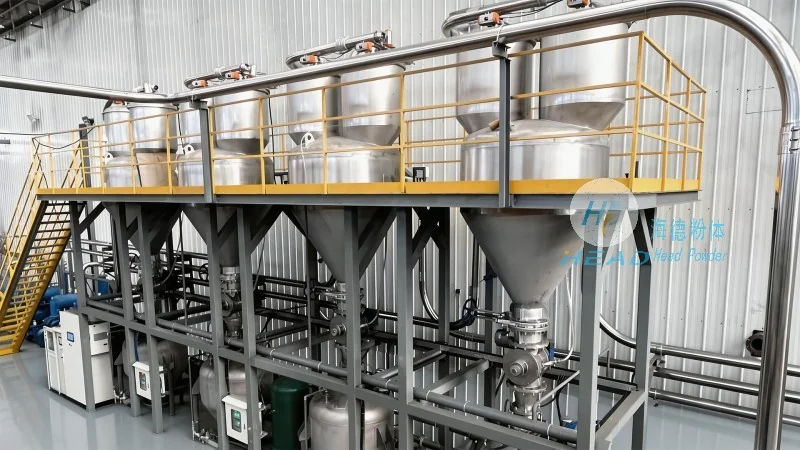
Introduction to Graphite Conveying
Graphite is known for its unique properties, including high thermal conductivity, electrical conductivity, and chemical resistance. These characteristics make it essential in industries like refractories, batteries, lubricants, and advanced materials. However, due to its fine particle size and cohesive nature, transporting graphite can be challenging. Effective conveying methods are crucial to ensure minimal loss, prevent contamination, and maintain product quality. The following sections will detail the primary methods used for graphite conveyance.
1. Mechanical Conveying Systems
Mechanical conveying systems are among the most common methods for transporting graphite. These systems utilize mechanical components to move the material. One of the most widely used equipment in this category is the conveyor belt system, which is particularly effective for transporting bulk quantities of graphite over short to medium distances. The conveyor belt, often made of materials resistant to graphite's chemical properties, ensures that the material is moved smoothly without sticking or degradation. Another mechanical method is the bucket elevator, which is ideal for vertical or inclined transport. This system uses buckets attached to a rotating chain or belt to lift graphite from lower to higher levels, making it suitable for applications where elevation changes are necessary. The company, Shandong HeadPowder Engineering Co., Ltd., specializes in designing and manufacturing customized mechanical conveying solutions tailored to the specific needs of graphite handling, ensuring efficient and reliable transport in industrial environments.
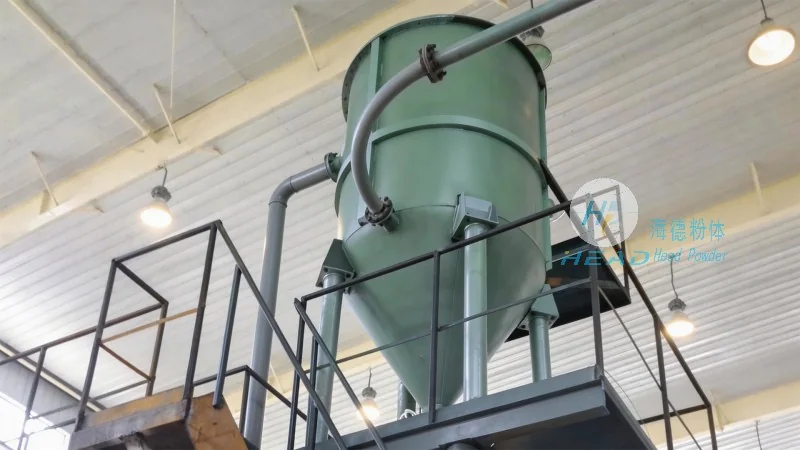
2. Pneumatic Conveying Systems
Pneumatic conveying systems use air or other gases to transport graphite particles. This method is particularly advantageous for handling fine or dusty graphite powders, as it minimizes dust exposure and provides a clean transport process. There are two main types of pneumatic conveying: positive pressure and negative pressure systems. Positive pressure systems blow air into a pipeline, pushing the graphite particles forward, while negative pressure systems create a vacuum to draw the material into the pipeline. The choice between these systems depends on the distance, particle size, and the need for dust control. For instance, in battery manufacturing, where fine graphite powders are used, pneumatic conveying ensures that the material is transported without contamination and with minimal loss. The company's expertise in pneumatic conveying technology allows for the design of systems that optimize air flow and particle movement, enhancing the efficiency of graphite transport in sensitive applications.
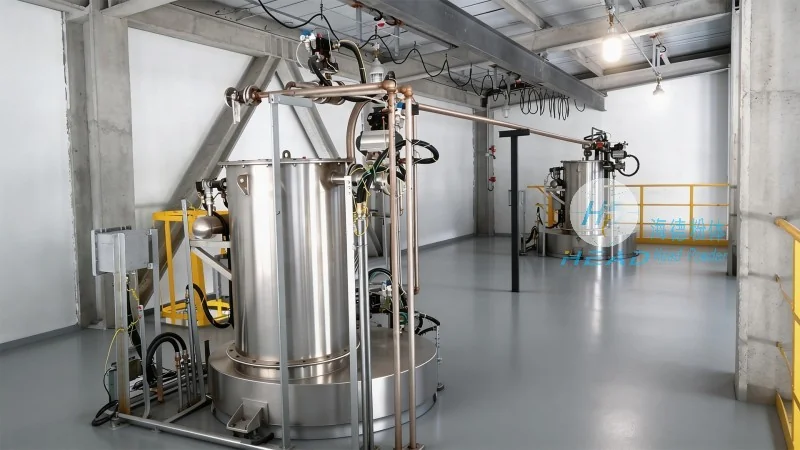
3. Screw Conveyors
Screw conveyors, also known as auger conveyors, are another effective mechanical method for graphite transport. These systems consist of a rotating screw inside a tube or trough, which moves the material forward. Screw conveyors are suitable for both horizontal and inclined transport and are particularly useful for handling cohesive or sticky graphite materials. They are often used in applications where the material needs to be mixed or blended before further processing. The design of the screw, including its pitch and diameter, can be customized to handle different particle sizes and flow rates. In the context of graphite production and processing, screw conveyors are commonly used to transport graphite from storage bins to processing equipment, ensuring a continuous and controlled flow. The company, HeadPowder, offers screw conveyor solutions that are robust and durable, capable of withstanding the abrasive nature of graphite particles and maintaining long-term performance.
4. Vibrating Conveyors
Vibrating conveyors utilize vibrations to move graphite material along a trough. This method is effective for handling bulk materials, including graphite, by creating a continuous flow through the use of vibrations. The vibrations are typically generated by an electric motor connected to a drive system, which causes the conveyor to move the material forward. Vibrating conveyors are particularly useful for transporting graphite in applications where the material is prone to bridging or clogging. They are also suitable for inclined or horizontal transport and can be designed to handle a wide range of particle sizes. The advantage of vibrating conveyors is their ability to move materials with minimal power consumption and low maintenance requirements. In industrial settings, these conveyors are often used in graphite processing plants to transport raw or processed graphite from one stage to another. The company's vibrating conveyor systems are engineered to provide efficient and reliable transport, ensuring that graphite is moved without degradation or loss.
5. Hydraulic Conveying

Hydraulic conveying systems use water or other fluids to transport graphite particles. This method is particularly effective for handling very fine graphite powders or slurries. The graphite particles are suspended in a liquid and transported through pipes. Hydraulic conveying is often used in applications where the material needs to be mixed with a liquid or where dust control is critical. However, it requires additional equipment for liquid separation and drying, making it more complex and costly compared to other methods. The system typically includes a pump to move the slurry, a pipeline for transport, and a settling tank or filter to separate the graphite from the liquid. In some cases, hydraulic conveying is used in graphite mining operations to transport ore containing graphite. The company, Shandong HeadPowder Engineering Co., Ltd., may offer specialized hydraulic conveying solutions for specific industrial needs, particularly in applications where water-based transport is advantageous.
Conclusion
Choosing the right graphite conveying method is essential for ensuring efficient and reliable transport in industrial applications. Mechanical, pneumatic, screw, vibrating, and hydraulic systems each offer unique advantages and are suitable for different scenarios. The company, Shandong HeadPowder Engineering Co., Ltd., based in Shandong, China, specializes in providing customized conveying solutions that cater to the specific requirements of graphite handling. By leveraging their expertise in material handling technology, they help industries optimize their graphite transport processes, ensuring minimal loss, high product quality, and operational efficiency. Whether for bulk transport or fine powders, the right conveying method, tailored by HeadPowder, can significantly enhance the performance and productivity of graphite-related operations.

 Shandong Headpowder Engineering Co., Ltd.
 156-6277-7102(Quản lý Trương)
  0531-83386006
  Thành phố Tế Nam, Tỉnh Sơn Đông, Trung Quốc
Điện thoại
WeChatTư vấn
Lên đầu