Chuyên sâu trong lĩnh vực vật liệu rời công nghiệp, cung cấp giải pháp môi trường thông minh tích hợp cho phối trộn tự động, cấp liệu tập trung, khử lưu huỳnh và khử nitơ khô!
When it comes to handling polypropylene resin powders in industrial settings, selecting the right conveying method is crucial for efficiency, safety, and material integrity. Polypropylene resin powders are widely used in manufacturing processes, and their effective transport from storage to processing equipment is essential for maintaining production flow. This article explores common polypropylene resin powder conveying methods and highlights the advantages of pneumatic conveying technology, specifically from the perspective of Shandong HeadPowder Engineering Co., Ltd., commonly known as HeadPowder.

Common Polypropylene Resin Powder Conveying Methods
There are several conventional methods used for transporting polypropylene resin powders, each with its own set of advantages and limitations. The primary options include mechanical conveying systems, such as screw conveyors and belt conveyors, and pneumatic conveying systems. Mechanical systems rely on mechanical components to move the material, while pneumatic systems use air pressure to transport the powder. Understanding these methods helps in choosing the most suitable option based on specific operational requirements.

Mechanical Conveying Systems for Polypropylene Resin Powders
Screw conveyors are widely used for polypropylene resin powder transport due to their simplicity and reliability. These systems consist of a rotating screw inside a trough, which moves the material forward through the conveyor. Screw conveyors are effective for horizontal or slightly inclined transport and are suitable for moderate to high material flow rates. However, they may experience issues with material buildup, especially with sticky or cohesive powders like polypropylene, which can lead to blockages and reduced efficiency. Additionally, the mechanical wear on the screw and trough can be significant over time, requiring regular maintenance and potential replacement of components.
Belt Conveyors in Polypropylene Resin Powder Handling

Belt conveyors are another common mechanical option for polypropylene resin powder conveying. These systems use a continuous belt to transport the material, often with idlers and pulleys to guide the belt and maintain tension. Belt conveyors are suitable for longer distances and can handle larger volumes of material compared to screw conveyors. They are particularly effective for transporting polypropylene resin powders that are free-flowing and non-adhesive. However, belt conveyors may struggle with powders that are too fine or have high moisture content, as this can cause the material to stick to the belt or cause uneven distribution. The maintenance of belt conveyors also involves regular inspection of the belt for wear and tear, as well as cleaning of the idlers and pulleys to prevent material buildup.
Pneumatic Conveying Systems: An Overview
Pneumatic conveying, also known as air conveying, is a method that uses compressed air to transport polypropylene resin powders through a pipeline. This technology offers several advantages over mechanical systems, including reduced material handling time, lower labor costs, and improved material cleanliness. Pneumatic systems are particularly effective for handling fine powders and can transport materials over longer distances with minimal loss. However, they require careful design and maintenance to ensure optimal performance and prevent issues such as clogging or pressure drops.
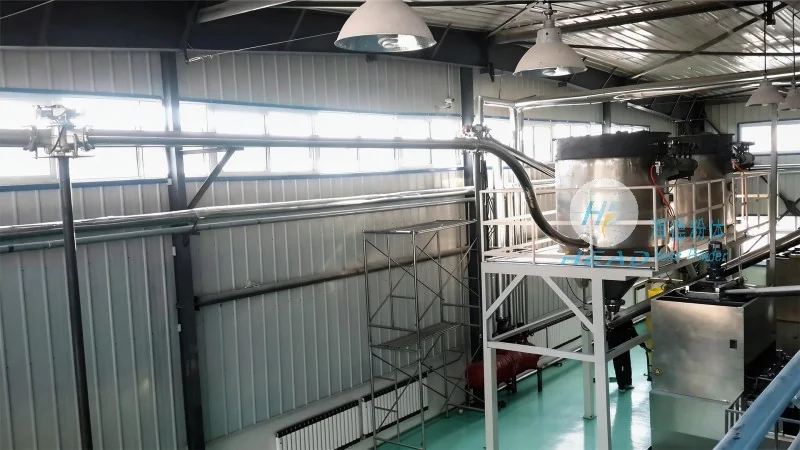
Advantages of HeadPowder's Pneumatic Conveying for Polypropylene Resin Powders
Shandong HeadPowder Engineering Co., Ltd. specializes in providing advanced pneumatic conveying solutions for polypropylene resin powders. The company's systems are designed to address the unique challenges of polypropylene resin powder handling, such as material cohesion and flow characteristics. Key advantages of HeadPowder's pneumatic conveying include: enhanced material flow control, reduced product contamination, and improved system efficiency. The company's expertise in customizing conveying systems ensures that each solution is tailored to the specific needs of the client, whether it's for small-scale or large-scale production.
Customization and Flexibility in HeadPowder's Pneumatic Conveying Solutions
HeadPowder offers a range of pneumatic conveying options, including pressure and vacuum systems, to suit different operational requirements. Pressure systems use compressed air to push the material through the pipeline, while vacuum systems use suction to draw the material into the system. The choice between these systems depends on factors such as the distance to be covered, the volume of material to be transported, and the specific characteristics of the polypropylene resin powder. HeadPowder's engineers work closely with clients to assess their needs and recommend the most appropriate system configuration. This customization ensures that the conveying system operates efficiently and effectively, minimizing downtime and maximizing productivity.

 Shandong Headpowder Engineering Co., Ltd.
 156-6277-7102(Quản lý Trương)
  0531-83386006
  Thành phố Tế Nam, Tỉnh Sơn Đông, Trung Quốc
Điện thoại
WeChatTư vấn
Lên đầu