Chuyên sâu trong lĩnh vực vật liệu rời công nghiệp, cung cấp giải pháp môi trường thông minh tích hợp cho phối trộn tự động, cấp liệu tập trung, khử lưu huỳnh và khử nitơ khô!
When it comes to handling dust and fly ash in industrial applications, selecting the right conveying method is crucial for efficiency, safety, and operational reliability. Various techniques are employed, each with its own set of advantages and limitations. This article explores common dust and fly ash conveying methods, with a focus on the superior performance and features of HeadPowder's pneumatic conveying system.
Overview of Dust and Fly Ash Conveying Methods
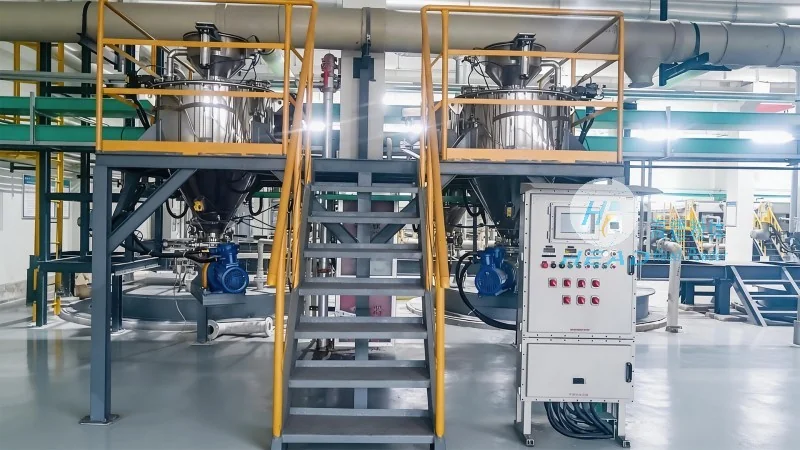
Dust and fly ash, byproducts of industrial processes such as power generation and manufacturing, require effective handling to prevent environmental contamination and ensure smooth production flow. The primary goal of conveying these materials is to transport them from one location to another with minimal loss, contamination, and operational disruption. Several methods are widely used in the industry, including gravity conveying, mechanical conveying, and pneumatic conveying. Each method has distinct characteristics that make it suitable for specific applications.
Gravity Conveying: A Basic Approach
Gravity conveying relies on the natural force of gravity to move materials from a higher elevation to a lower one. This method is often used for relatively short distances and when the material is free-flowing and has a consistent density. In dust and fly ash applications, gravity chutes or hoppers are employed to guide the material downward. While simple and low-cost, gravity conveying has significant limitations. It is highly dependent on the vertical drop and horizontal distance, and it is not suitable for long distances or when the material needs to be transported against gravity. Additionally, it can lead to material segregation and increased dust emissions due to the lack of containment and control.
Mechanical Conveying: Traditional Solutions
Mechanical conveying systems use mechanical components like belts, screws, and buckets to transport materials. Belt conveyors are widely used for bulk material handling, including dust and fly ash, due to their ability to cover long distances and handle large volumes. Screw conveyors, also known as augers, are effective for moving materials in confined spaces and for vertical lifting. However, mechanical conveying methods have several drawbacks when applied to dust and fly ash. These include high maintenance costs, the risk of material blockages, and the potential for increased dust generation during operation. Mechanical systems also require regular cleaning and maintenance to prevent wear and tear, which can be costly and time-consuming.
Pneumatic Conveying: The Advanced Solution
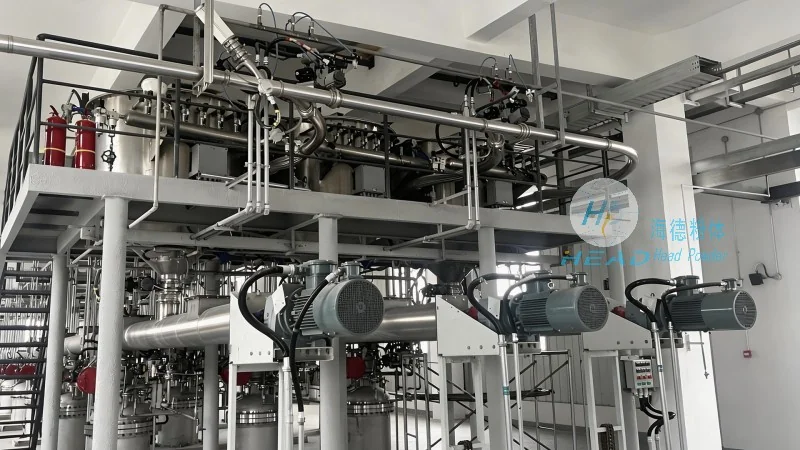
Pneumatic conveying, also known as air conveying, uses a stream of air to transport materials through a pipeline. This method is particularly effective for handling dust and fly ash due to its ability to transport materials over long distances, both horizontally and vertically, with minimal loss and contamination. HeadPowder's pneumatic conveying system is designed to address the challenges associated with traditional conveying methods, offering a reliable and efficient solution for industrial applications.
Key Advantages of HeadPowder's Pneumatic Conveying System
HeadPowder, a leading provider of dust and fly ash handling solutions, has developed a pneumatic conveying system that combines advanced technology with robust engineering. The system is engineered to deliver superior performance, ensuring efficient and safe transport of dust and fly ash. Key advantages include:
1. Versatility and Flexibility
HeadPowder's pneumatic conveying system is highly versatile, capable of handling a wide range of dust and fly ash types, including fine powders and bulk materials. The system can be configured for both positive and negative pressure operation, allowing it to transport materials over long distances and in various orientations. This flexibility makes it suitable for diverse industrial applications, from power plants to manufacturing facilities.
2. Minimal Material Loss and Contamination
Unlike gravity and mechanical conveying methods, pneumatic conveying provides a fully enclosed system, reducing material loss and preventing contamination from external sources. The system uses a sealed pipeline, ensuring that dust and fly ash are transported without exposure to the environment. This is particularly important for materials that require high purity or are subject to environmental regulations. HeadPowder's system is designed with high-quality components and advanced sealing technology to maintain airtightness and prevent leaks.
3. Reduced Maintenance and Operational Costs
HeadPowder's pneumatic conveying system is built for durability and low maintenance. The use of high-quality materials and robust components minimizes the risk of wear and tear, reducing the need for frequent repairs and replacements. The system also operates with lower energy consumption compared to mechanical conveying methods, leading to significant cost savings over time. Additionally, the enclosed design reduces the need for cleaning and maintenance, as there are fewer components exposed to dust and debris.

4. Enhanced Safety and Environmental Compliance
HeadPowder's pneumatic conveying system prioritizes safety and environmental compliance. The enclosed system prevents dust emissions, reducing the risk of respiratory issues and environmental pollution. The system is designed to meet or exceed industry standards for dust control and emission reduction. Furthermore, the system's low noise operation and reduced maintenance requirements contribute to a safer working environment.
5. Customization and Scalability
HeadPowder understands that each industrial application has unique requirements. The pneumatic conveying system can be customized to meet specific needs, including material type, conveying distance, and operational conditions. The system is scalable, allowing it to be expanded or modified as production needs change. This flexibility ensures that the system remains effective and efficient over the long term.
Conclusion
When selecting a dust and fly ash conveying method, it is essential to consider the specific requirements of the application, including material properties, distance, and operational constraints. While gravity and mechanical conveying methods have their uses, they often fall short in terms of efficiency, safety, and environmental compliance. HeadPowder's pneumatic conveying system offers a superior solution, combining advanced technology with robust engineering to deliver reliable and efficient transport of dust and fly ash. With its versatility, minimal contamination, low maintenance, and environmental benefits, HeadPowder's system is an ideal choice for industrial applications requiring high-performance dust and fly ash handling solutions.

 Shandong Headpowder Engineering Co., Ltd.
 156-6277-7102(Quản lý Trương)
  0531-83386006
  Thành phố Tế Nam, Tỉnh Sơn Đông, Trung Quốc
Điện thoại
WeChatTư vấn
Lên đầu