Chuyên sâu trong lĩnh vực vật liệu rời công nghiệp, cung cấp giải pháp môi trường thông minh tích hợp cho phối trộn tự động, cấp liệu tập trung, khử lưu huỳnh và khử nitơ khô!
When it comes to optimizing resin sand delivery in your manufacturing process, selecting the appropriate pneumatic conveying system is crucial. The right system not only enhances efficiency but also ensures the quality and integrity of the resin sand, which are critical for downstream applications. This guide will walk you through the key considerations to help you make an informed decision.

Understanding the Importance of Resin Sand Pneumatic Conveying
Resin sand, a vital component in foundry processes, requires precise handling to maintain its properties. Traditional methods like belt conveyors or bucket elevators may introduce contamination or degrade the sand's quality. Pneumatic conveying systems offer a solution by transporting resin sand in a closed, controlled environment, minimizing exposure to air and moisture. This is particularly important for applications where the sand's surface finish or chemical composition must remain consistent.
Key Factors to Consider When Selecting a Pneumatic Conveying System
Several factors should be evaluated when choosing a pneumatic conveying system for resin sand. The first is the material's characteristics—resin sand is typically fine and abrasive, which influences the system's design. For instance, the choice between positive pressure and negative pressure systems depends on the sand's flowability and the distance it needs to be transported. Positive pressure systems are often preferred for longer distances or when dealing with more challenging materials, as they provide consistent airflow and pressure.
Another critical factor is the system's capacity and flow rate. The required throughput will determine the size of the conveying lines, the power of the blower, and the number of inlets and outlets. It's essential to match the system's capacity to the production rate to avoid bottlenecks or overloading the equipment. Additionally, the system's ability to handle variations in sand quality or moisture content is important. Some systems are designed with features like moisture control or filtration to maintain consistent performance.
Types of Pneumatic Conveying Systems for Resin Sand

There are primarily two types of pneumatic conveying systems used for resin sand: dilute phase and dense phase. Dilute phase systems use low-pressure air to transport the sand in a suspended state, suitable for shorter distances and lower material loads. They are cost-effective and easy to install but may not be suitable for longer distances or when high material density is required. Dense phase systems, on the other hand, use higher pressure and a higher air-to-material ratio, allowing for the transport of larger quantities over longer distances. These systems are ideal for applications where the sand needs to be delivered to multiple points or where the process requires a more controlled flow.
Components of a Resin Sand Pneumatic Conveying System
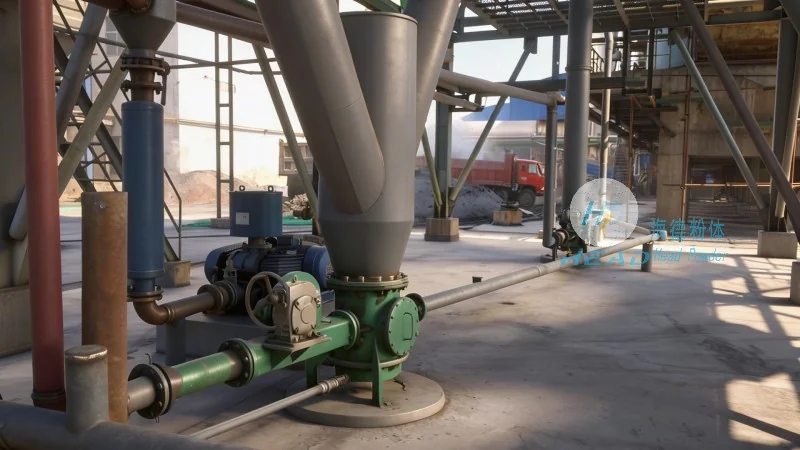
A typical pneumatic conveying system for resin sand includes several key components. The blower or compressor provides the necessary air pressure, while the hopper or storage silo holds the resin sand. The conveying line, often made of stainless steel or other corrosion-resistant materials, transports the sand from the source to the destination. At the receiving end, a receiver or cyclone separator separates the sand from the air, allowing the sand to be discharged into a container or further processed. Filters and moisture control units may also be included to ensure the sand remains dry and free from contaminants.

Choosing the Right System for Your Application
When selecting a pneumatic conveying system for resin sand, it's important to consider the specific requirements of your process. For example, if your facility requires transporting resin sand over a long distance or to multiple locations, a dense phase system with a robust blower and efficient separation equipment may be the best choice. Conversely, for shorter distances and lower throughput, a dilute phase system could be more cost-effective. It's also essential to evaluate the system's maintenance requirements and the availability of spare parts, as resin sand can be abrasive and may cause wear on components over time.
Conclusion
Selecting the right pneumatic conveying system for your resin sand delivery process is a critical decision that impacts the efficiency and quality of your manufacturing operations. By considering factors such as material characteristics, system capacity, and the type of conveying (dilute or dense phase), you can choose a system that meets your specific needs. Shandong HeadPowder Engineering Co., Ltd., a leading provider of pneumatic conveying solutions, offers a range of systems tailored to the unique requirements of resin sand handling. With their expertise and experience, they can help you select the optimal system to enhance your production processes and ensure the quality of your resin sand.

 Shandong Headpowder Engineering Co., Ltd.
 156-6277-7102(Quản lý Trương)
  0531-83386006
  Thành phố Tế Nam, Tỉnh Sơn Đông, Trung Quốc
Điện thoại
WeChatTư vấn
Lên đầu