Chuyên sâu trong lĩnh vực vật liệu rời công nghiệp, cung cấp giải pháp môi trường thông minh tích hợp cho phối trộn tự động, cấp liệu tập trung, khử lưu huỳnh và khử nitơ khô!
Vanadium oxide is a critical raw material in various industrial applications, including the production of vanadium pentoxide, which is widely used in steelmaking and as a catalyst. The efficient and reliable handling of vanadium oxide is essential for maintaining production efficiency and ensuring product quality. Pneumatic conveying systems have become a preferred method for transporting this material due to their ability to handle fine powders and provide a closed-loop system that minimizes dust emissions and contamination. However, selecting the appropriate pneumatic conveying system for vanadium oxide handling requires careful consideration of several factors, including the material's physical properties, processing requirements, and operational environment.
Understanding the Key Factors Influencing Pneumatic Conveying System Selection

Before selecting a pneumatic conveying system for vanadium oxide, it is crucial to understand the specific characteristics of the material and the operational needs of the process. Vanadium oxide typically has a high density and can be abrasive, which affects the choice of equipment and system design. The particle size distribution, moisture content, and flowability of the material also play significant roles in determining the most suitable conveying method. Additionally, the required conveying distance, flow rate, and system pressure must be considered to ensure optimal performance and cost-effectiveness.
Types of Pneumatic Conveying Systems and Their Suitability for Vanadium Oxide
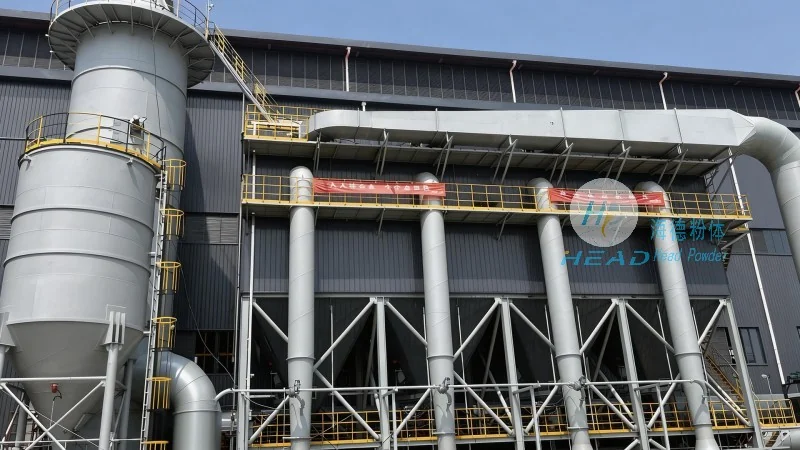
There are two primary types of pneumatic conveying systems: positive pressure and negative pressure systems. Positive pressure systems, such as pressure vessels and blowers, are commonly used for long-distance and high-capacity conveying of vanadium oxide. These systems are effective for handling abrasive materials and can be designed to operate at high pressures, ensuring efficient material transport. Negative pressure systems, on the other hand, use vacuum to draw material from a source and are suitable for shorter distances and lower flow rates. The choice between these systems depends on the specific application requirements, such as the distance between the source and destination, the required flow rate, and the need for a closed or open system.
HeadPowder's Expertise in Designing Pneumatic Conveying Solutions for Vanadium Oxide

Shandong HeadPowder Engineering Co., Ltd., a leading provider of engineering solutions for powder handling, specializes in designing and manufacturing pneumatic conveying systems tailored to the unique needs of vanadium oxide processing. With years of experience in the industry, HeadPowder has developed a deep understanding of the challenges associated with handling this material and has successfully implemented customized solutions for numerous clients. The company's team of engineers and technicians works closely with clients to assess their specific requirements, conduct thorough material analysis, and recommend the most appropriate system configuration. HeadPowder's solutions are designed to ensure high efficiency, minimal maintenance, and compliance with industry standards, providing a reliable and cost-effective option for vanadium oxide handling.
Key Considerations When Choosing a Pneumatic Conveying System for Vanadium Oxide
When selecting a pneumatic conveying system for vanadium oxide, several key factors must be evaluated to ensure the best fit for the application. First, the material's physical properties, such as density, particle size, and abrasiveness, should be thoroughly analyzed to determine the appropriate equipment type and system design. Second, the required conveying distance and flow rate must be accurately determined to select the right system capacity and pressure. Third, the operational environment, including temperature, humidity, and space constraints, should be considered to ensure the system is suitable for the specific location. Fourth, the need for a closed-loop system to minimize dust emissions and maintain product purity is an important factor, as vanadium oxide is a fine powder that can be easily contaminated if not handled properly. Finally, the cost of the system, including initial investment and ongoing maintenance, should be evaluated to ensure it aligns with the client's budget and long-term operational goals.
Conclusion: The Importance of Selecting the Right Pneumatic Conveying System for Vanadium Oxide Handling
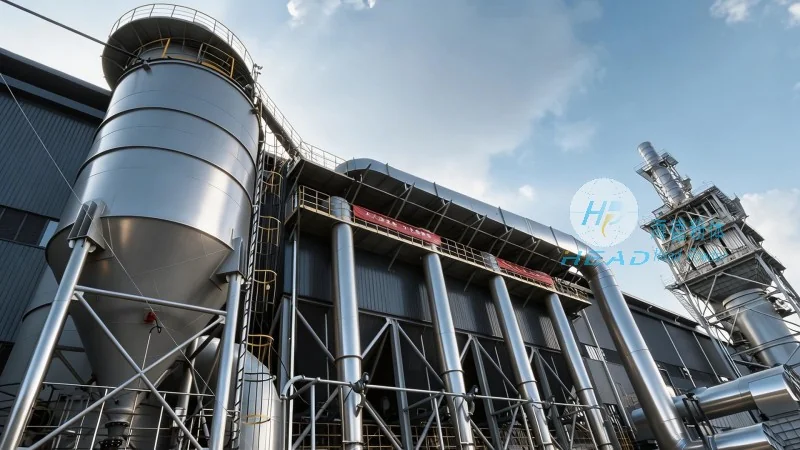
Choosing the right pneumatic conveying system for vanadium oxide handling is a critical decision that can significantly impact the efficiency, safety, and profitability of a processing operation. By carefully considering the material's properties, operational requirements, and system capabilities, as well as leveraging the expertise of a trusted provider like Shandong HeadPowder Engineering Co., Ltd., companies can ensure they select a system that meets their specific needs and delivers optimal performance. The right system not only enhances the efficiency of vanadium oxide handling but also reduces the risk of dust contamination, equipment wear, and operational downtime, ultimately contributing to the overall success of the process.

 Shandong Headpowder Engineering Co., Ltd.
 156-6277-7102(Quản lý Trương)
  0531-83386006
  Thành phố Tế Nam, Tỉnh Sơn Đông, Trung Quốc
Điện thoại
WeChatTư vấn
Lên đầu