Chuyên sâu trong lĩnh vực vật liệu rời công nghiệp, cung cấp giải pháp môi trường thông minh tích hợp cho phối trộn tự động, cấp liệu tập trung, khử lưu huỳnh và khử nitơ khô!
For industries dealing with foam materials, selecting the appropriate pneumatic conveying system is crucial for maintaining operational efficiency and product integrity. The right system not only ensures smooth material transport but also minimizes downtime and operational costs. This guide explores key considerations and factors to help you choose the most suitable pneumatic conveying system for your foam handling process.

Understanding the Importance of Pneumatic Conveying for Foam Handling
Foam materials, such as expanded polystyrene (EPS), polyurethane foam, or other lightweight foams, present unique challenges during transportation. These materials are often fragile, have low density, and can be sensitive to pressure changes or mechanical stress. Traditional bulk handling methods may not be suitable due to their light weight and tendency to clog or degrade. Pneumatic conveying systems offer a solution by using air to transport foam particles through pipelines, providing a gentle and efficient method of material movement. This approach helps preserve the foam's structural integrity and ensures consistent flow rates, which is vital for downstream processes like molding, packaging, or recycling.

Key Factors to Consider When Selecting a Pneumatic Conveying System
When evaluating pneumatic conveying systems for foam handling, several critical factors must be taken into account to ensure optimal performance. First, the physical properties of the foam material are paramount. This includes the foam's density, particle size distribution, moisture content, and any potential contaminants. For example, low-density foams may require higher air velocities to maintain suspension, while larger or irregularly shaped particles might need specialized equipment like rotary valves or feeders to prevent blockages. Additionally, the desired conveying distance and throughput rate are essential. Short-distance applications might benefit from simple venturi systems, whereas long-distance or high-volume operations may necessitate more complex systems with multiple stages or booster pumps.
Another critical consideration is the system's pressure type—positive pressure, negative pressure, or a combination. Positive pressure systems, where air is forced through the material, are often preferred for foam handling due to their ability to maintain consistent flow and prevent material degradation. They also allow for easier integration with existing equipment and can handle a wider range of foam types. Negative pressure systems, on the other hand, may be suitable for applications where dust control is a priority, but they can be more complex to maintain and may not be as effective for fragile foams. The choice of pressure type directly impacts the system's efficiency, energy consumption, and overall cost.
System Design and Components for Foam Handling
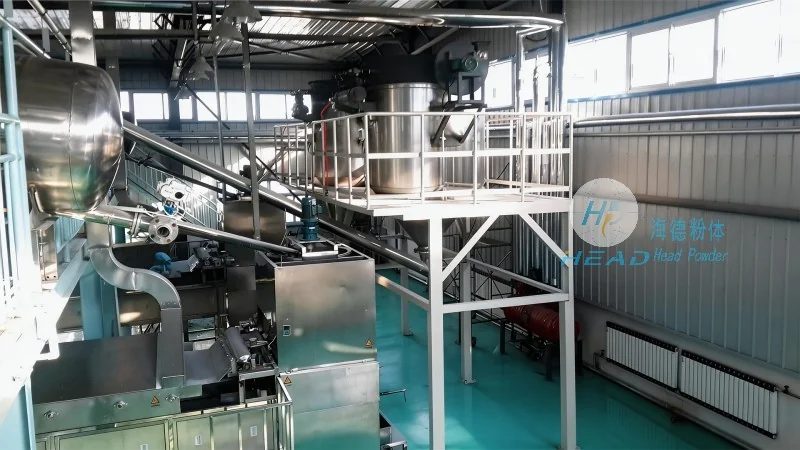
Effective pneumatic conveying for foam handling relies on a well-designed system with appropriate components. The system typically includes a feed hopper, a feeder (such as a rotary valve or screw feeder) to control material flow, a pipeline network, and a receiver or discharge unit. For foam, the feeder is particularly important as it must handle the light and potentially sticky nature of the material without causing clogging or degradation. Rotary valves are commonly used because they provide a controlled, continuous flow and can handle a wide range of particle sizes and moisture levels. The pipeline material and diameter are also critical; smooth, corrosion-resistant pipes (such as stainless steel or PVC) are recommended to prevent foam particles from adhering to the walls and causing blockages. Additionally, the system should include air filtration and moisture control components to maintain air quality and prevent foam degradation from moisture exposure.
Benefits of Choosing the Right Pneumatic Conveying System for Foam Handling

Implementing an appropriately designed pneumatic conveying system for foam handling offers numerous benefits. First, it significantly improves operational efficiency by reducing material handling time and minimizing downtime. By ensuring consistent and reliable material flow, the system helps maintain steady production rates and reduces the need for manual intervention. This leads to lower labor costs and increased productivity. Additionally, pneumatic conveying systems reduce material loss and contamination compared to traditional methods, which is particularly important for foam materials that are often used in high-value applications like packaging or insulation. The gentle handling of foam particles also preserves their structural integrity, ensuring that the final product meets quality standards. Furthermore, modern pneumatic conveying systems are often equipped with advanced control and monitoring features, allowing for real-time adjustments to flow rates and pressure, which enhances process control and reduces waste.
About Shandong HeadPowder Engineering Co., Ltd.
Shandong HeadPowder Engineering Co., Ltd., operating under the brand name HeadPowder, is a leading provider of pneumatic conveying systems tailored to the unique needs of foam handling processes. With a focus on innovation and customer satisfaction, HeadPowder specializes in designing and manufacturing customized solutions that address the specific challenges of transporting foam materials. The company's expertise lies in understanding the physical properties of different foam types and selecting the most suitable pneumatic conveying technology to ensure efficient and reliable material transport. HeadPowder's systems are engineered to meet the highest standards of performance, durability, and safety, making them ideal for industrial applications where efficiency and product quality are paramount. Based in Shandong, China, HeadPowder leverages its local expertise and manufacturing capabilities to deliver high-quality, cost-effective solutions to clients worldwide.

 Shandong Headpowder Engineering Co., Ltd.
 156-6277-7102(Quản lý Trương)
  0531-83386006
  Thành phố Tế Nam, Tỉnh Sơn Đông, Trung Quốc
Điện thoại
WeChatTư vấn
Lên đầu