Chuyên sâu trong lĩnh vực vật liệu rời công nghiệp, cung cấp giải pháp môi trường thông minh tích hợp cho phối trộn tự động, cấp liệu tập trung, khử lưu huỳnh và khử nitơ khô!
When it comes to managing the transportation of lime in industrial processes, selecting the appropriate pneumatic conveying system is crucial for efficiency, safety, and cost-effectiveness. The choice of system directly impacts the overall performance of your operation, and making an informed decision requires a thorough understanding of the material characteristics, process requirements, and available technology. This guide will outline the key factors to consider when choosing a pneumatic conveying system for lime handling, ensuring you select a solution that aligns with your specific operational needs.
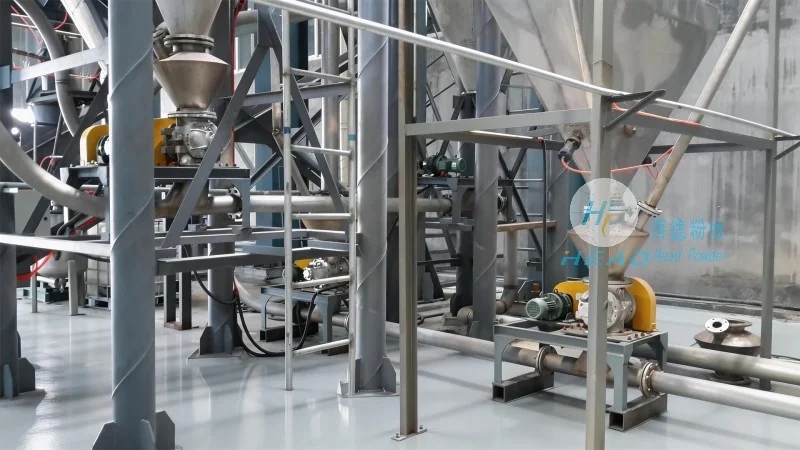
Understanding the Importance of Pneumatic Conveying for Lime Handling
Lime, a versatile material used in various industries such as construction, chemical manufacturing, and environmental treatment, presents unique challenges during transportation. Traditional methods like belt conveyors or bucket elevators may struggle with dust generation, material degradation, or the need for complex infrastructure. Pneumatic conveying systems offer a more flexible and efficient alternative, utilizing air to transport dry powders like lime over long distances with minimal disruption. By understanding the advantages of pneumatic conveying, you can better evaluate the suitability of this technology for your lime handling process.
Key Considerations for Selecting a Pneumatic Conveying System

Several critical factors must be evaluated when choosing a pneumatic conveying system for lime. The first is the material's physical properties, including particle size, density, moisture content, and flowability. Lime often consists of fine particles that can be prone to agglomeration or dust, making it essential to select a system that can handle these characteristics without compromising performance. Additionally, the required conveying distance and throughput capacity are vital considerations. Whether you need to transport lime from a storage silo to a processing unit or across a large facility, the system must be capable of meeting your volume and distance requirements. Other factors include the need for dust control, environmental regulations, and the integration with existing equipment or infrastructure.
Types of Pneumatic Conveying Systems and Their Applications
There are primarily two types of pneumatic conveying systems: pressure and vacuum. Pressure systems use compressed air to push the material through a pipeline, while vacuum systems use a vacuum to draw the material into the system. For lime handling, pressure systems are often preferred due to their ability to handle higher pressures and longer distances, making them suitable for applications requiring robust performance. The choice between positive displacement blowers and rotary lobe blowers depends on the specific pressure and flow requirements. Positive displacement blowers provide consistent airflow, ideal for systems with varying load conditions, whereas rotary lobe blowers offer higher efficiency and lower maintenance for continuous operations. Each system type has its advantages and limitations, and selecting the right one requires careful analysis of your operational parameters.
Design and Installation Factors to Ensure Optimal Performance
The design of a pneumatic conveying system for lime must account for several technical aspects to ensure reliable operation. The pipeline layout, including the number of bends, vertical and horizontal runs, and the use of expansion joints, directly impacts the system's efficiency and pressure drop. Proper sizing of the pipeline and air compressor is critical to maintain the required velocity and pressure, preventing material deposition or blockages. Additionally, the selection of components such as filters, cyclones, and dust collectors is essential for maintaining air quality and preventing system downtime. The installation process must also consider the space constraints and integration with existing facilities, ensuring that the system can be implemented without disrupting ongoing operations. A well-designed system not only improves performance but also reduces maintenance costs and extends the lifespan of the equipment.
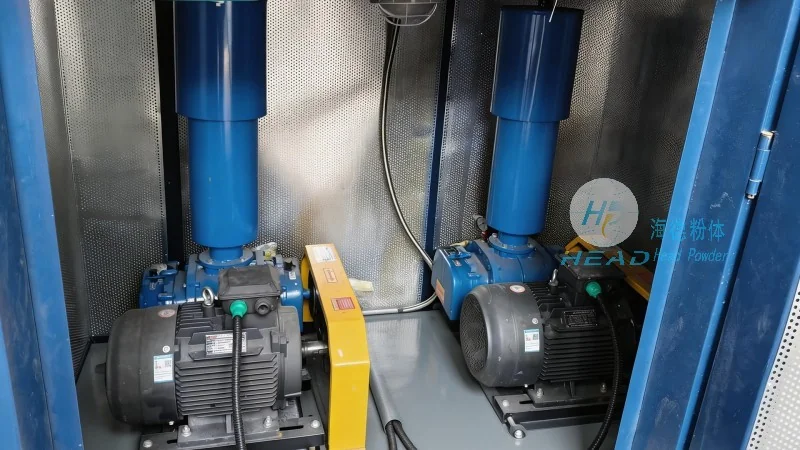
Maintenance and Operational Efficiency in Pneumatic Conveying
Regular maintenance is crucial for the long-term efficiency of a pneumatic conveying system handling lime. Components such as air filters, cyclones, and rotary valves require periodic cleaning or replacement to prevent clogging and maintain optimal performance. Monitoring the system's pressure, airflow, and material flow rates helps identify potential issues before they escalate into major problems. Additionally, training operators on proper system operation and maintenance procedures ensures that the equipment is used effectively and safely. By implementing a proactive maintenance schedule, you can minimize downtime, reduce repair costs, and maximize the operational efficiency of your pneumatic conveying system. This approach also contributes to the overall safety of the workplace by preventing dust explosions or other hazards associated with lime handling.
Conclusion: Choosing the Right System for Your Lime Handling Needs
Selecting the appropriate pneumatic conveying system for your lime handling process is a critical decision that requires careful consideration of material properties, process requirements, and available technology. By evaluating the key factors outlined in this guide, you can ensure that your chosen system provides reliable, efficient, and safe transportation of lime. Whether you opt for a pressure or vacuum system, positive displacement or rotary lobe blower, the right choice will align with your operational goals and contribute to the overall success of your industrial process. For companies in the lime handling industry, partnering with a reputable engineering firm like Shandong HeadPowder Engineering Co., Ltd. can provide expert guidance and tailored solutions to meet your specific needs. With their expertise in pneumatic conveying systems, HeadPowder offers comprehensive services to design, install, and maintain systems that enhance productivity and safety in your operations.

 Shandong Headpowder Engineering Co., Ltd.
 156-6277-7102(Quản lý Trương)
  0531-83386006
  Thành phố Tế Nam, Tỉnh Sơn Đông, Trung Quốc
Điện thoại
WeChatTư vấn
Lên đầu