Chuyên sâu trong lĩnh vực vật liệu rời công nghiệp, cung cấp giải pháp môi trường thông minh tích hợp cho phối trộn tự động, cấp liệu tập trung, khử lưu huỳnh và khử nitơ khô!
Efficient and environmentally friendly material handling is a critical concern for industries dealing with bulk materials, particularly in the production of fermentation products like curd. Traditional methods of transporting such materials often involve high energy consumption, increased operational costs, and environmental pollution. Airborne conveying, or pneumatic conveying, emerges as a superior solution that addresses these challenges effectively. This article explores the benefits and applications of airborne conveying for fermentation curd, highlighting how it contributes to enhanced productivity and sustainability in material handling processes.
Introduction to Airborne Conveying Technology

Airborne conveying systems utilize compressed air or gas to transport bulk materials through a pipeline network. This method is particularly suitable for materials like fermentation curd, which require gentle handling to preserve their quality and integrity. Unlike mechanical conveying systems that rely on belts, buckets, or screws, pneumatic conveying offers a more flexible and versatile approach to material transport. The technology has evolved significantly over the years, with advancements in system design, air flow management, and material handling efficiency, making it an increasingly popular choice in various industrial sectors.

HeadPowder Engineering: A Leading Provider of Pneumatic Conveying Solutions
Shandong HeadPowder Engineering Co., Ltd., a prominent company based in Shandong, China, specializes in the design, manufacturing, and implementation of advanced pneumatic conveying systems. With a strong commitment to innovation and customer satisfaction, HeadPowder has established itself as a trusted partner for industries seeking reliable and efficient material handling solutions. The company's expertise lies in tailoring customized airborne conveying systems that meet the specific requirements of clients, ensuring optimal performance and minimal environmental impact.
Key Features of Airborne Conveying for Fermentation Curd
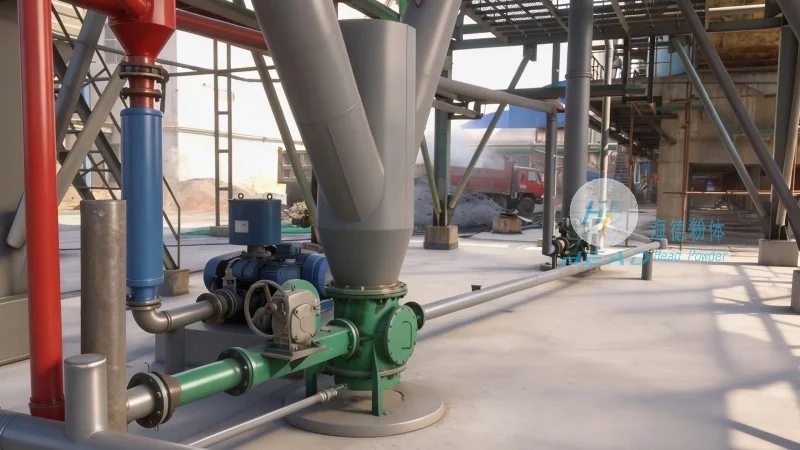
The airborne conveying system for fermentation curd is engineered to handle the unique characteristics of this material, such as its moisture content, particle size, and susceptibility to degradation. Key features include: gentle material handling to prevent damage or contamination, energy-efficient operation through optimized air flow and pressure control, and compact system design that minimizes footprint and installation complexity. The system typically consists of a hopper for material storage, a conveying line with appropriate air velocity, and a discharge point for the material. Advanced control systems allow for real-time monitoring and adjustment of the conveying process, ensuring consistent and reliable performance.
Benefits of Implementing Airborne Conveying Systems
Adopting an airborne conveying system for fermentation curd offers numerous advantages that contribute to improved operational efficiency and sustainability. These benefits include: significant reduction in energy consumption compared to traditional mechanical systems, lower maintenance costs due to fewer moving parts and reduced wear, and enhanced product quality through gentle handling and minimal exposure to contaminants. Additionally, the system reduces the risk of dust emissions and environmental pollution, aligning with modern environmental regulations and corporate sustainability goals. For industries focused on maximizing productivity while minimizing environmental impact, airborne conveying provides a compelling solution.
Application Scenarios and Customization

The versatility of airborne conveying systems allows them to be applied in various stages of the fermentation curd production process. For instance, the system can be used to transport curd from storage silos to processing lines, or to move finished products to packaging areas. HeadPowder Engineering offers customized solutions tailored to the specific needs of each client, considering factors such as material characteristics, production volume, and facility layout. The company's engineers work closely with clients to design systems that integrate seamlessly with existing infrastructure, ensuring smooth operation and minimal disruption to production schedules.
Conclusion: The Future of Material Handling in Fermentation Industries
As industries continue to prioritize efficiency and sustainability, the adoption of advanced material handling technologies like airborne conveying for fermentation curd is expected to grow. The combination of energy efficiency, environmental friendliness, and operational reliability makes this technology a valuable asset for companies seeking to enhance their production processes. With its headquarters in Shandong, China, Shandong HeadPowder Engineering Co., Ltd. remains at the forefront of developing innovative pneumatic conveying solutions that meet the evolving needs of the industry. By leveraging the expertise and experience of HeadPowder, businesses can achieve improved productivity, reduced costs, and a more sustainable approach to material handling in the production of fermentation products.

 Shandong Headpowder Engineering Co., Ltd.
 156-6277-7102(Quản lý Trương)
  0531-83386006
  Thành phố Tế Nam, Tỉnh Sơn Đông, Trung Quốc
Điện thoại
WeChatTư vấn
Lên đầu