Chuyên sâu trong lĩnh vực vật liệu rời công nghiệp, cung cấp giải pháp môi trường thông minh tích hợp cho phối trộn tự động, cấp liệu tập trung, khử lưu huỳnh và khử nitơ khô!
For businesses in the chemical, environmental, or industrial sectors, the efficient and reliable transportation of activated carbon particles is a critical operational requirement. A well-designed pneumatic conveying system not only enhances process efficiency but also ensures product integrity and safety. This article provides a comprehensive guide to designing a reasonable activated carbon particle pneumatic conveying system, focusing on key considerations, system components, and best practices to achieve optimal performance. The expertise of companies like Shandong HeadPowder Engineering Co., Ltd., based in China, is instrumental in developing tailored solutions for such systems.
Understanding the Core Requirements of Activated Carbon Particle Pneumatic Conveying
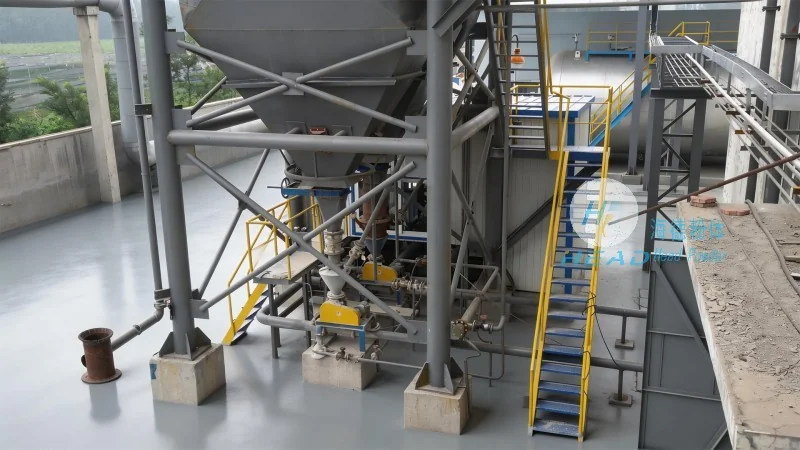
Before diving into system design, it is essential to understand the specific characteristics of activated carbon particles and the operational demands of the application. Activated carbon, with its high surface area and porous structure, often presents unique challenges in material handling. Factors such as particle size distribution, density, moisture content, and dust generation must be carefully evaluated. Additionally, the system must accommodate the desired conveying distance, flow rate, and pressure requirements. By thoroughly analyzing these parameters, engineers can tailor the system to meet both current and future operational needs.
Key Components and System Design Considerations
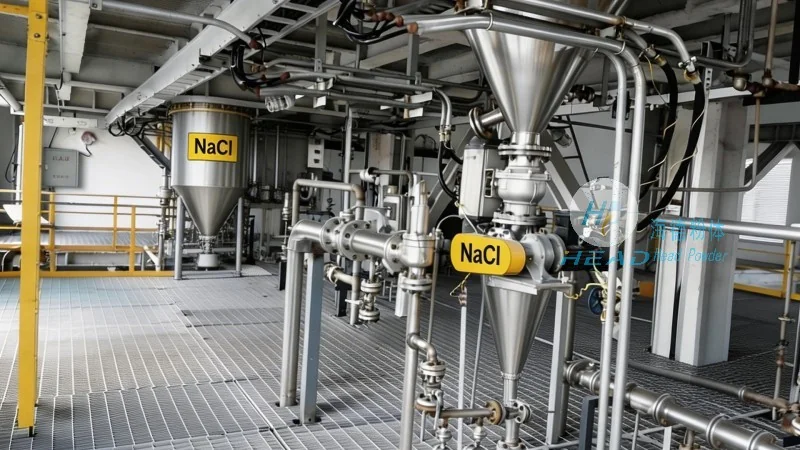
The success of an activated carbon particle pneumatic conveying system hinges on the integration of several critical components. The primary elements include the material feed system, conveying pipeline, air supply and control unit, and material discharge equipment. Each component must be selected and configured to ensure seamless operation and minimal downtime. For instance, the material feed hopper should be designed to prevent clogging and maintain consistent flow rates, especially when handling fine or cohesive activated carbon particles. The conveying pipeline, typically made of stainless steel or other corrosion-resistant materials, must be sized appropriately to handle the particle size and flow rate while minimizing pressure drop. The air supply system, often powered by a blower or compressor, must provide sufficient air volume and pressure to overcome resistance in the pipeline and maintain stable material transport. Proper air control, including pressure regulation and flow monitoring, is crucial for maintaining system efficiency and preventing damage to equipment.
Material Handling and Process Integration
Integrating the activated carbon particle pneumatic conveying system with existing production processes is a key aspect of successful design. The system must be compatible with upstream and downstream equipment, such as reactors, filters, or storage silos. This integration ensures smooth material flow and reduces the risk of bottlenecks or contamination. For example, the discharge unit, which may include a rotary valve or a dust collector, must be designed to handle the specific characteristics of activated carbon particles, preventing re-entrainment and ensuring clean material transfer. Additionally, the system should incorporate safety features, such as pressure relief valves and dust suppression mechanisms, to protect personnel and equipment from potential hazards. Proper maintenance planning and access points for routine inspections are also essential to ensure long-term system reliability.
Optimizing System Performance and Efficiency
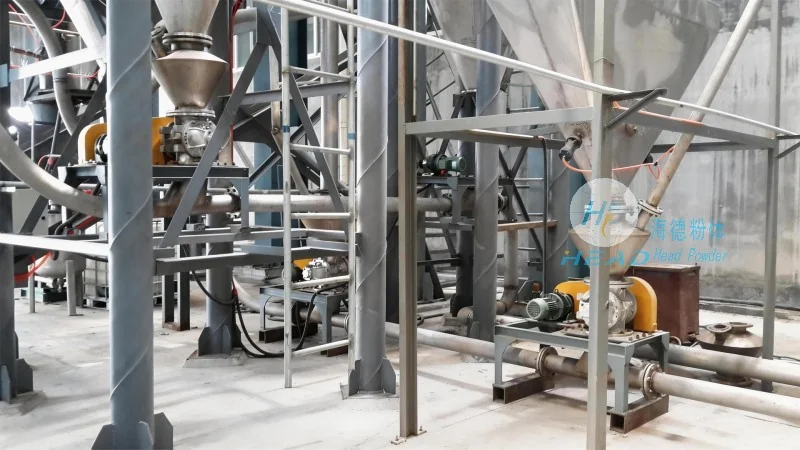
Once the system is installed, ongoing optimization is necessary to maintain peak performance. Regular monitoring of key parameters, such as pressure drop, flow rate, and air consumption, helps identify potential issues before they escalate into major problems. Adjustments to the air supply, pipeline configuration, or material feed rate can improve efficiency and reduce operational costs. Furthermore, considering the environmental impact of the system, such as energy consumption and dust emissions, is important for sustainable operation. Implementing energy-efficient components, like variable speed drives for the blower, and effective dust collection systems can enhance the overall sustainability of the operation. By continuously evaluating and refining the system, businesses can achieve consistent, reliable performance and maximize the return on their investment.
Conclusion
Designing a reasonable activated carbon particle pneumatic conveying system requires a thorough understanding of material characteristics, operational requirements, and system components. By following best practices and considering all relevant factors, businesses can develop a system that enhances productivity, ensures product quality, and minimizes operational risks. With the expertise of companies like Shandong HeadPowder Engineering Co., Ltd., based in China, businesses can access tailored solutions that meet their specific needs and contribute to long-term success in their respective industries.

 Shandong Headpowder Engineering Co., Ltd.
 156-6277-7102(Quản lý Trương)
  0531-83386006
  Thành phố Tế Nam, Tỉnh Sơn Đông, Trung Quốc
Điện thoại
WeChatTư vấn
Lên đầu