Chuyên sâu trong lĩnh vực vật liệu rời công nghiệp, cung cấp giải pháp môi trường thông minh tích hợp cho phối trộn tự động, cấp liệu tập trung, khử lưu huỳnh và khử nitơ khô!
For businesses in the chili processing industry, selecting and implementing an efficient pneumatic conveying system is crucial for maintaining production efficiency and product quality. A well-designed system can significantly reduce material handling costs, minimize dust exposure, and enhance overall operational safety. This guide outlines key considerations and steps for designing a suitable chili powder pneumatic conveying system, with a focus on practical application and optimal performance.
Understanding the Core Requirements of Chili Powder Handling
Before diving into system design, it is essential to understand the unique characteristics of chili powder. Chili powder is typically fine-grained, with a high moisture content and potential for static electricity. These properties affect how the material behaves during transport, influencing the choice of conveying method and equipment. For instance, fine powders are prone to caking and blockages, which can be mitigated by selecting appropriate air velocities and using anti-static components. Additionally, the system must comply with food safety regulations, ensuring that all materials and components are food-grade and easy to clean.
Choosing the Right Pneumatic Conveying System Type
There are two primary types of pneumatic conveying systems: pressure and vacuum. The selection depends on the specific application, such as the distance between the source and destination, the volume of material to be conveyed, and the need for dust control. Pressure systems use positive pressure to push material through the pipeline, making them suitable for long-distance transport and high-volume applications. Vacuum systems, on the other hand, use negative pressure to pull material, which is ideal for short distances and when the material source is elevated. For chili powder, a pressure system is often preferred due to its ability to handle fine powders and maintain consistent flow rates. However, vacuum systems can be effective for smaller-scale operations or when the material needs to be collected from multiple points.
Key Components and Equipment Selection

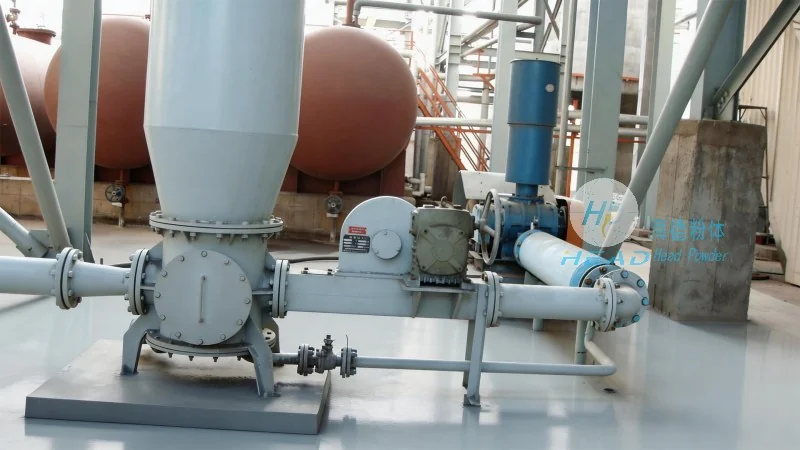
The effectiveness of a pneumatic conveying system hinges on the quality and compatibility of its components. Critical elements include the air compressor, which provides the necessary pressure or vacuum; the hopper or feeder, which controls the material flow; the pipeline system, which transports the material; and the receiver or discharge device, which collects the material at the end. For chili powder, it is vital to choose components that are resistant to corrosion and easy to clean, as chili powder can be acidic and sticky. The air compressor should be capable of delivering consistent air pressure to prevent fluctuations that could lead to system inefficiencies or material blockages. The feeder, such as a rotary valve or screw feeder, must be designed to handle fine powders without causing excessive wear or clogging. The pipeline material, often stainless steel or food-grade plastic, should be smooth to minimize friction and prevent material buildup. The receiver, typically a hopper with a discharge valve, should be equipped with a dust collection system to ensure compliance with environmental regulations and maintain workplace safety.
System Layout and Installation Considerations
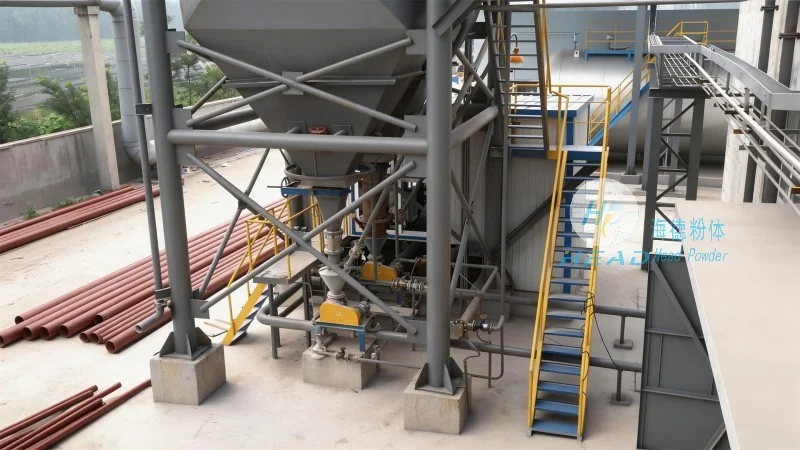
The layout of the pneumatic conveying system plays a significant role in its performance and efficiency. Proper planning involves determining the optimal path for the pipeline, considering factors such as the height of the source and destination, the presence of obstacles, and the need for horizontal or vertical transport. Vertical sections of the pipeline require higher air velocities to prevent material settling, while horizontal sections need sufficient pressure to maintain flow. The system should be designed with gradual inclines and curves to avoid sudden changes that could cause material separation or blockages. Additionally, the installation should include access points for maintenance and cleaning, such as inspection ports and cleaning nozzles, to ensure the system remains operational and hygienic over time. Proper sealing of all connections is also crucial to prevent air leaks, which can reduce system efficiency and increase energy consumption.
Maintenance and Optimization for Long-Term Performance
Regular maintenance is essential to ensure the longevity and efficiency of a chili powder pneumatic conveying system. This includes cleaning the pipeline and components to remove accumulated powder, inspecting the air compressor and feeder for wear and tear, and checking for any signs of air leaks or pressure drops. The system should be equipped with monitoring devices, such as pressure gauges and flow meters, to detect any deviations from normal operation and allow for timely adjustments. Regularly replacing worn parts, such as seals and filters, can prevent system failures and reduce downtime. Additionally, optimizing the system by adjusting air pressure, velocity, or material feed rate can improve performance and reduce energy costs. For example, increasing the air velocity slightly can help prevent clogging in the pipeline, while reducing the feed rate can prevent overloading the system. By implementing a proactive maintenance schedule and continuous optimization, businesses can maximize the lifespan and efficiency of their pneumatic conveying system.
Conclusion: Partnering with Experts for Optimal Solutions
Designing a reasonable chili powder pneumatic conveying system requires a thorough understanding of material characteristics, system types, and component compatibility. While the process may seem complex, working with experienced engineering firms like Shandong HeadPowder Engineering Co., Ltd. can simplify the design and implementation process. With their expertise in pneumatic conveying systems, the company can provide tailored solutions that meet the specific needs of chili processing operations, ensuring efficiency, safety, and compliance with industry standards. By following the guidelines outlined in this article and collaborating with industry professionals, businesses can select and implement a pneumatic conveying system that enhances productivity and maintains product quality.

 Shandong Headpowder Engineering Co., Ltd.
 156-6277-7102(Quản lý Trương)
  0531-83386006
  Thành phố Tế Nam, Tỉnh Sơn Đông, Trung Quốc
Điện thoại
WeChatTư vấn
Lên đầu