Chuyên sâu trong lĩnh vực vật liệu rời công nghiệp, cung cấp giải pháp môi trường thông minh tích hợp cho phối trộn tự động, cấp liệu tập trung, khử lưu huỳnh và khử nitơ khô!
For industries dealing with soap clay, selecting and designing an appropriate pneumatic conveying system is crucial for operational efficiency and cost-effectiveness. A well-planned system ensures smooth material transport, reduces downtime, and enhances overall productivity. This article outlines the key steps and considerations for designing a reasonable soap clay pneumatic conveying system, focusing on practical solutions tailored to the unique properties of soap clay.
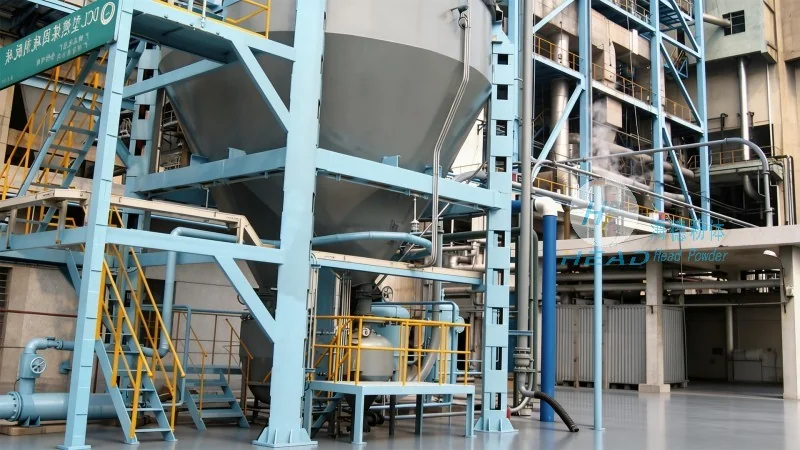
Key Factors in System Design
When designing a soap clay pneumatic conveying system, several critical factors must be considered to ensure optimal performance. The first step is to analyze the material characteristics of soap clay, including its bulk density, moisture content, and flowability. These properties directly impact the choice of conveying method—such as dilute phase or dense phase—and the required air velocity and pressure. Additionally, the system's capacity and the distance over which material needs to be transported are essential parameters. Understanding these variables allows engineers to select the most suitable equipment and layout, minimizing energy consumption and maximizing reliability.

Equipment Selection for Soap Clay Conveying
Choosing the right equipment is paramount for a successful soap clay pneumatic conveying system. The primary components include the material feed hopper, air compressor, conveying line, and receiver. For soap clay, which can be abrasive and have varying particle sizes, a robust feed hopper with a pre-screening mechanism is recommended to prevent blockages and ensure consistent material flow. The air compressor must be capable of delivering sufficient pressure and volume to overcome the system's resistance, with options like rotary lobe or centrifugal compressors depending on the application. The conveying line, typically made of stainless steel or other corrosion-resistant materials, should be sized to handle the material's flow rate and pressure requirements. Finally, the receiver, equipped with a dust collection system, ensures safe and efficient material discharge.
System Layout and Installation Considerations
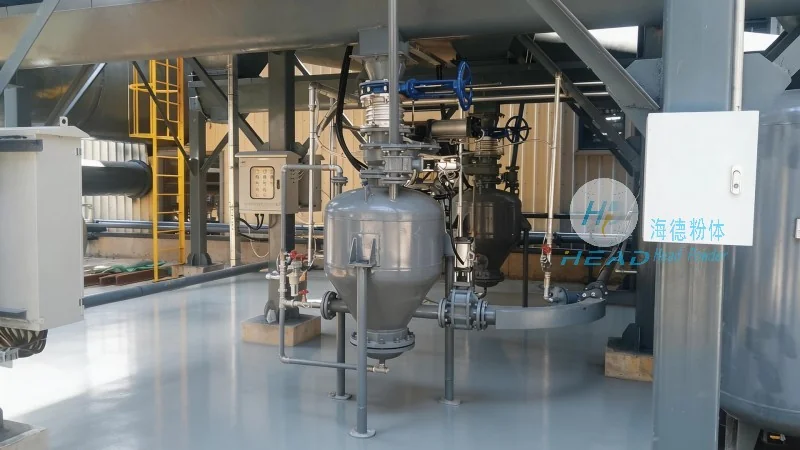
The layout of the pneumatic conveying system significantly affects its performance and maintenance. The design should minimize the number of bends and changes in direction, as these can cause pressure losses and material deposition. For long-distance transport, a combination of horizontal and vertical sections may be necessary, with vertical lifts requiring specialized equipment like vertical conveyors or air lifters to maintain air flow and prevent material settling. The system should also be installed with proper support structures to handle the weight of the conveying line and equipment, ensuring stability and reducing vibration. Additionally, incorporating a pressure relief valve and a filter system is essential to protect the equipment from overpressure and maintain air quality.
Maintenance and Optimization Strategies
Regular maintenance is critical to keep a soap clay pneumatic conveying system operating at peak efficiency. This includes inspecting and cleaning the feed hopper and conveying line to prevent clogging, checking the air compressor for wear and tear, and monitoring the pressure and flow rates. Using high-quality filters and lubricants can extend the life of the equipment and reduce maintenance costs. Additionally, implementing a predictive maintenance program based on system performance data can help identify potential issues before they cause downtime. By optimizing the system's settings, such as air velocity and pressure, operators can improve material transport efficiency and reduce energy consumption. Regularly reviewing the system's performance and making adjustments as needed ensures long-term reliability and cost-effectiveness.
Case Study: Successful Implementation by Shandong HeadPowder Engineering Co., Ltd.
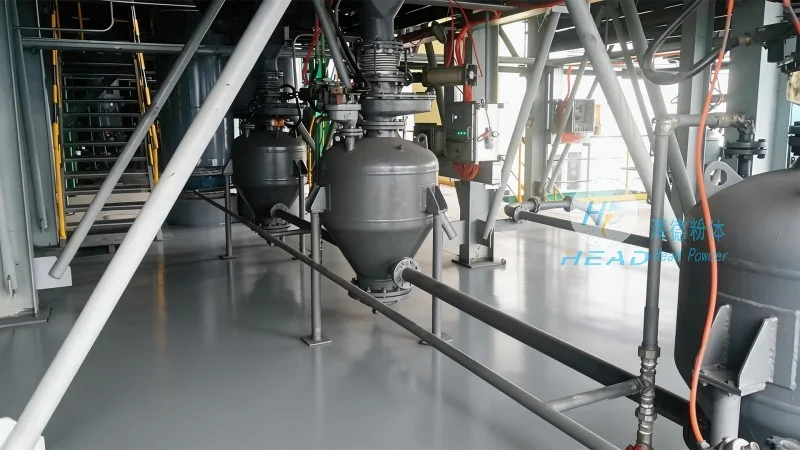
Shandong HeadPowder Engineering Co., Ltd., a leading provider of pneumatic conveying solutions, has successfully implemented several soap clay pneumatic conveying systems for clients in China. One notable project involved transporting soap clay from a storage silo to a processing plant over a distance of 200 meters. The system, designed with a rotary lobe air compressor and stainless steel conveying lines, achieved a consistent flow rate of 10 tons per hour while maintaining low energy consumption. The company's engineers carefully considered the material's moisture content and flowability, selecting a dilute phase system with a pre-screening hopper to prevent blockages. The system has been in operation for over two years, with minimal downtime and high client satisfaction. This case study highlights the importance of thorough planning and professional expertise in designing effective soap clay pneumatic conveying systems.

 Shandong Headpowder Engineering Co., Ltd.
 156-6277-7102(Quản lý Trương)
  0531-83386006
  Thành phố Tế Nam, Tỉnh Sơn Đông, Trung Quốc
Điện thoại
WeChatTư vấn
Lên đầu