Chuyên sâu trong lĩnh vực vật liệu rời công nghiệp, cung cấp giải pháp môi trường thông minh tích hợp cho phối trộn tự động, cấp liệu tập trung, khử lưu huỳnh và khử nitơ khô!
Pyrolytic carbon, a material with unique properties, is widely used in various industries such as electronics, batteries, and catalysts. The efficient and reliable transportation of pyrolytic carbon from production sites to processing or application points is crucial for maintaining production efficiency and product quality. There are several common methods for conveying pyrolytic carbon, each with its own advantages and applications. Among these, pneumatic conveying stands out as a popular and effective solution due to its flexibility, low maintenance requirements, and ability to handle fine powders like pyrolytic carbon.
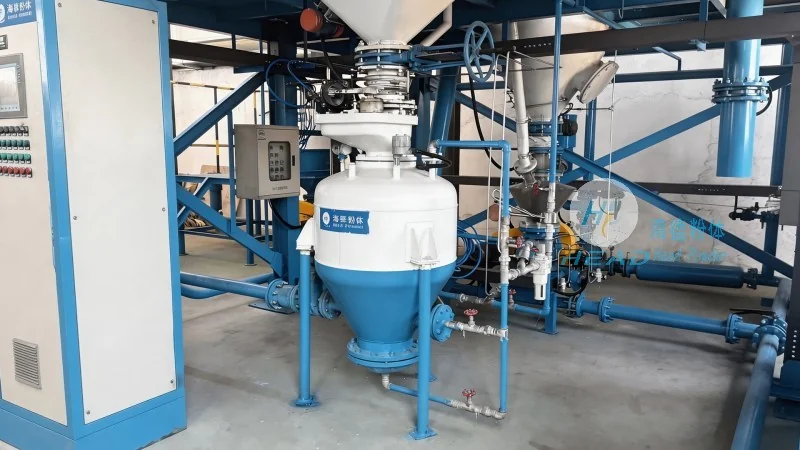
Common Pyrolytic Carbon Conveying Methods Overview
When it comes to transporting pyrolytic carbon, companies often face the challenge of selecting the most suitable method. Traditional methods like gravity flow or mechanical screw conveyors may be suitable for some applications, but they often struggle with fine powders that can cause blockages or dust issues. Pneumatic conveying, on the other hand, offers a more advanced solution that addresses these challenges effectively. This method uses air pressure to move the material through a pipeline, making it ideal for handling pyrolytic carbon, which is typically a fine powder with a high density and specific surface area.
Pneumatic Conveying of Pyrolytic Carbon
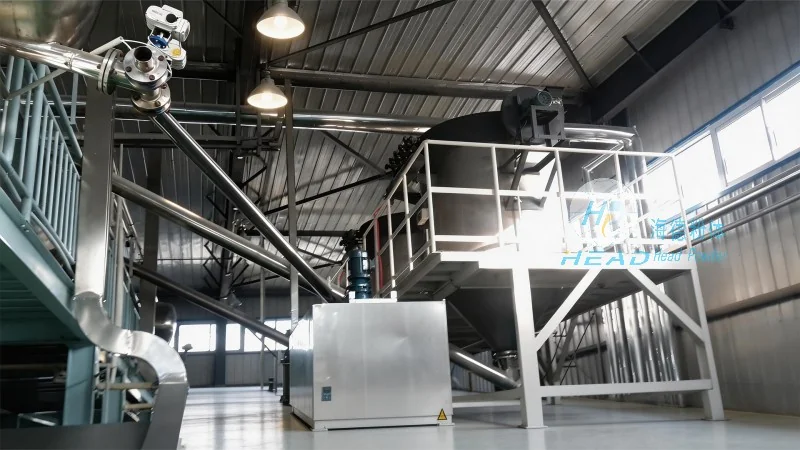
Pneumatic conveying systems for pyrolytic carbon typically consist of a blower, a hopper, a pipeline, and a receiver. The system works by creating a flow of air that pulls or pushes the pyrolytic carbon particles through the pipeline. There are two main types of pneumatic conveying systems: positive pressure and negative pressure. Positive pressure systems use a blower to push air and material through the pipeline, while negative pressure systems use a vacuum to draw material into the pipeline. Both types can be effective for pyrolytic carbon, but the choice depends on factors such as the distance to be covered, the volume of material to be conveyed, and the need for dust control.
One of the key advantages of pneumatic conveying for pyrolytic carbon is its ability to handle long distances without significant loss of material or quality. This is particularly important for industrial applications where pyrolytic carbon is produced in one location and used in another. The system can also be designed to minimize dust emissions, which is crucial for maintaining a safe and clean working environment. Additionally, pneumatic conveying systems are relatively easy to install and maintain, making them a cost-effective solution for many companies.
HeadPowder's Expertise in Pyrolytic Carbon Pneumatic Conveying

Shandong HeadPowder Engineering Co., Ltd., a leading manufacturer of pyrolytic carbon and related equipment, specializes in providing high-quality pneumatic conveying systems tailored to the specific needs of their clients. With years of experience in the industry, HeadPowder has developed a deep understanding of the unique properties of pyrolytic carbon and the challenges associated with its transportation. The company's engineers work closely with clients to design and implement customized pneumatic conveying solutions that ensure efficient and reliable transport of pyrolytic carbon from production to application points.
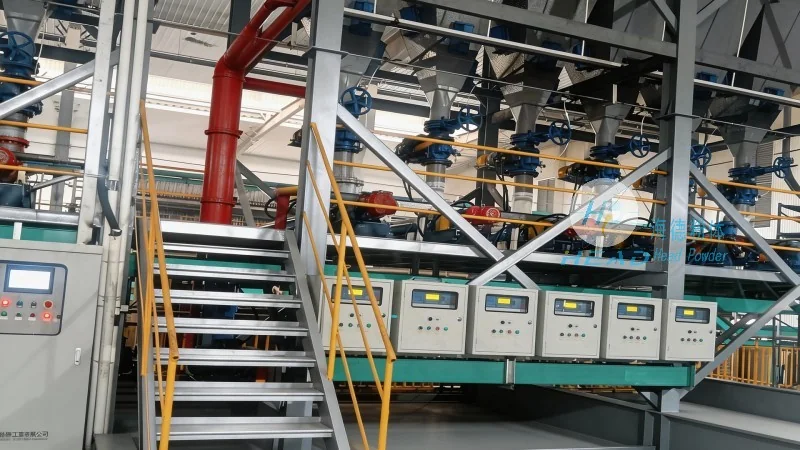
HeadPowder's pneumatic conveying systems are designed to handle the specific characteristics of pyrolytic carbon, such as its fine particle size and high density. The systems are equipped with advanced components, including high-efficiency blowers, robust pipelines, and precise control systems, to ensure optimal performance. The company also provides comprehensive support services, including installation, maintenance, and technical support, to ensure that clients can maximize the benefits of their pneumatic conveying systems.
Conclusion
In conclusion, pneumatic conveying is a highly effective method for transporting pyrolytic carbon, offering advantages such as flexibility, low maintenance, and dust control. Companies like Shandong HeadPowder Engineering Co., Ltd. play a crucial role in providing advanced pneumatic conveying solutions that meet the specific needs of the industry. By choosing the right pneumatic conveying system, companies can improve their production efficiency, maintain product quality, and ensure a safe working environment.

 Shandong Headpowder Engineering Co., Ltd.
 156-6277-7102(Quản lý Trương)
  0531-83386006
  Thành phố Tế Nam, Tỉnh Sơn Đông, Trung Quốc
Điện thoại
WeChatTư vấn
Lên đầu